
Life stages of a horse – A loving look at a horse's life from birth to old age

Horses have accompanied humans for thousands of years – as friends, partners, working animals, and loyal companions. But before a horse can be all of that to its owner, it goes through different phases, each unique, wonderful, and challenging. In this article, we'll take you on an emotional, understandable, and factual journey through the entire life of a horse – from its first breath shortly after birth to the wise serenity of its senior years.
You'll gain insights into development, health aspects, typical changes, important needs, and everything else that matters to horse owners. Topics such as nutrition, exercise, housing, feeding, training, diseases, lifespan, signals, herd dynamics, environment, and the impressive life expectancy of various horse breeds are also covered.
Why the life stages of horses are so important
Every stage in a horse's life brings its own unique challenges, opportunities, and needs. A young foal requires different things than a 12-year-old riding horse or a retired senior. Many factors, such as breed, housing, environment, grooming, feeding, and social interaction within the herd, significantly influence a horse's development and quality of life.
As a responsible horse owner, you want to support your animal well at every stage – both emotionally and practically. That's why a close look at the different life phases is so valuable.
Birth – The magical moment of the first breath
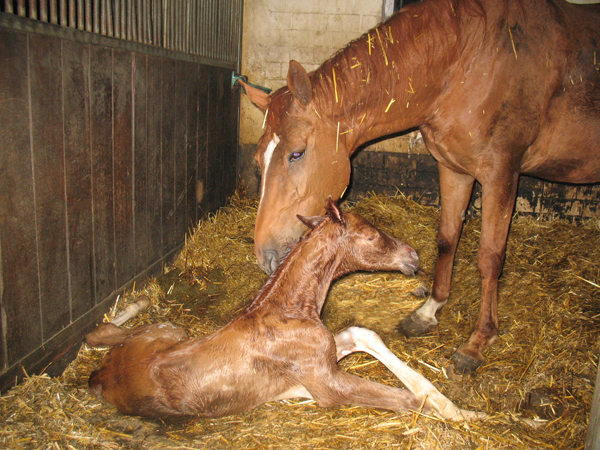
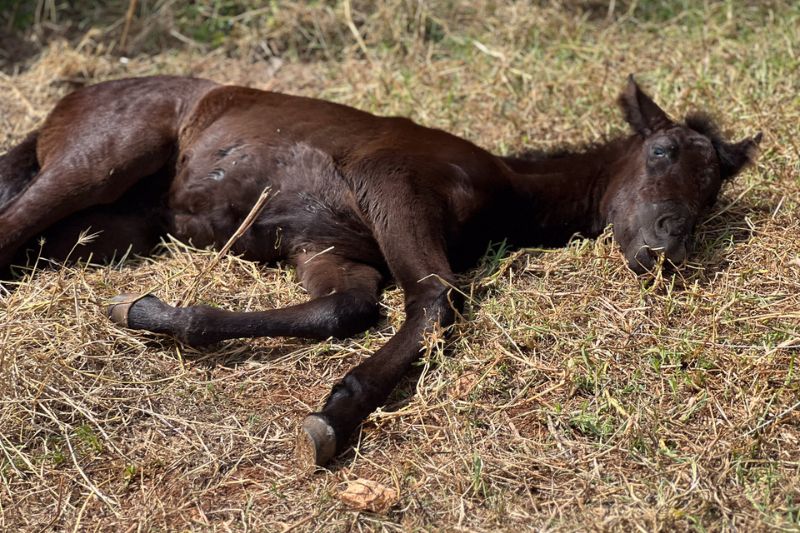
The journey through a horse's life begins with an unforgettable moment. Shortly after birth, the foal rises to its feet, seeks its mother, makes contact with the herd, and begins to explore the world. This start in life is particularly sensitive – because the first few hours have a profound impact on its physical development and behavior.
Key points in this phase:
-
bond between mare and foal
-
First signs of well-being
-
Colostrum intake to strengthen the immune system
-
Protection, warmth and peace
-
First observation by humans (without disturbing)
Even at this early stage, foals develop muscles, reflexes, and a basic understanding of life as herd animals. The mare assumes the essential role of providing safety and leadership.
Childhood – The first years of life full of curiosity
The "childhood" of a horse lasts until approximately the third year of life. An incredible amount happens during this time: physical growth, socialization, fundamental learning about the herd, first experiences with humans, and playful activity.
Typical characteristics of this stage of life:
-
Rapid growth of bones, tendons, and muscles
-
Development of motor skills
-
Learning rules within the herd
-
Building social skills
-
First gentle, habitual contact with people
For many horse owners, this time is magical – playful, sweet, and full of energy. At the same time, much is already decided during this period regarding later health, behavior, and quality of life.
Young horse – development and basic training
Around the age of three, a foal becomes a young horse. This phase is characterized by physical maturity, but still youthful insecurity. Basic training often begins now – a fundamental step in your horse's life.
Important aspects of the training:
-
Patience and calm
-
Getting used to the halter, stable routines, veterinary visits, check-ups
-
Light groundwork, later first steps under saddle
-
Promoting mental strength and social balance
This phase often determines how harmonious the future relationship between horse and human will be. A young horse learns quickly – both positively and negatively. Therefore, fair, loving, and clear communication is all the more important.
Adult horse – The active middle of its life

When a horse is approximately 5 to 16 years old, it is in the most active period of its life. Body and mind are stable, performance is high, and the relationship with its human is often characterized by trust and routine.
Key topics of this phase:
-
Regular exercise promotes health
-
A diet that supports energy, metabolism, and muscles.
-
Suitable housing – open stable, box with paddock or pasture
-
Meaningful activities (riding, groundwork, light work as a workhorse)
-
Observation of signals indicating strain, stress, or discomfort
During this phase, a horse develops its highest quality of life if it is kept in a species-appropriate manner and continues to have a stable social structure within the herd.
The years of maturity – When the first changes occur
From around 16–18 years of age, many horses show the first signs of aging. This is perfectly normal – just like we humans get grayer, build less muscle and need rest.
Typical changes:
-
Declining muscle strength
-
More sensitive digestion
-
Increased need for care and regular check-ups
-
Possible early signs of illness (e.g., osteoarthritis, metabolic disorders)
-
Changes in behavior – calmer, more cautious, more clingy
The role within the herd can also change. Some horses become wise leaders, while others withdraw more. For horse owners, this phase means: paying close attention, providing loving support, and maintaining the horse's quality of life.
Seniors – The gentle time of old age
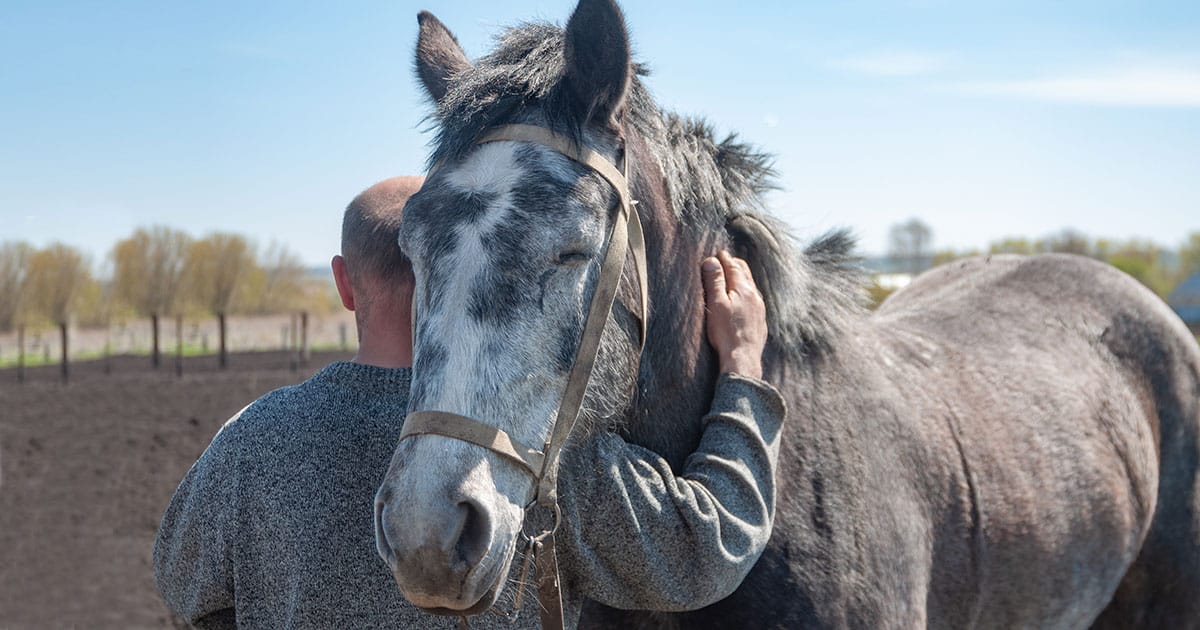
A horse or pony is considered a senior at around 20 years of age – but some horses or ponies are still very fit at that age! The individual lifespan depends on many factors: breed, housing, environment, care, use, and genetic predisposition.
Typical needs of older horses:
-
Soft, customized feeding
-
Keeping warm in winter
-
Regular check-ups (teeth, metabolism, back)
-
Gentle movement to maintain resilience
-
Social contact within the herd – extremely important for well-being
Older horses give us so much: peace, wisdom, closeness, and gratitude. A senior horse requires special care – but the bond in this stage of life is often the deepest.
How old can horses get? – A look at their lifespan
Life expectancy depends heavily on husbandry and breed. Domestic horses generally fare significantly better than wild horses, as they have access to medical care, appropriate feeding, protection, and loving humans.
Average lifespan:
-
Large horses: 25–30 years
-
Ponies: 30–40 years or more
-
Pony breeds They are generally considered robust
-
Wildlife: usually only 10-15 years due to predators, disease and lack of food
The record holder is famous: Old Billy, a workhorse from England, is said to have lived to the incredible age of 62. He demonstrates how wide the range of lifespan can be.
Factors influencing quality of life
Many aspects play an important role in ensuring that a horse has a long, fulfilling and harmonious life:
1. Posture
A species-appropriate stable or open stable with continuous access to fresh air and social contact.
2. Nutrition
Individualized feeding based on age, health status and breed.
3. Movement
As herd animals, horses need daily exercise – grazing, paddock or riding.
4. Environment and handling
Loving, clear communication and a stress-free environment increase well-being.
5. Health
Regular check-ups, parasite control, and early detection of diseases are crucial.
6. Mental well-being
Horses are social animals – they need contact, closeness and a stable herd structure.
Differences between ponies, horse breeds and wild horses
Not all horses go through their life phases in the same way – the breeds, sizes and lifestyles differ significantly.
Ponies
-
Very robust
-
Often higher life expectancy
-
Later physical maturation
Large horses
-
Earlier end of the active phase
-
More support needed for muscles and joints
Wild horses
-
Heavily influenced by the struggle for survival
-
Shorter lifespan in the wild
-
Highly pronounced social behavior
These differences show that there is no "one rule", but only individual considerations – every horse is unique.
Horse life in transition – development and challenges in every phase
From the boisterous foal to the eager-to-learn young horse to the wise senior – the journey is full of emotions, growth and change.
Challenges at a glance:
-
Foal phase: Immune development, orientation
-
Young horse: Growth, learning processes
-
Adulthood: Maintaining performance
-
Mature years: Metabolic changes
-
Senior phase: Ensuring comfort, health and enjoyment of life
Each phase has its own special moments, and as the owner, you can lovingly accompany your horse.
In conclusion – the life stages of a horse tell a beautiful story.
The different life stages of a horse are like chapters in a lovingly written book. Each stage is touching in a new way, each brings its own challenges, and each awakens deep emotions.
If we as humans treat the horse with respect, gentleness and attentiveness, we can give it a long, happy and healthy life.
Because in the end, one thing matters most: the well-being and joy of life of our animal partner.