
Hyaluron for dogs: How your four-legged friend benefits from this miracle ingredient
Hyaluronic acid has become a true insider tip in the world of animal health, especially when it comes to the joint health and general well-being of our dogs. But why exactly is hyaluronic acid so effective for dogs, and how can you best use it to help your furry friend?
Here you will learn everything you need to know about its use, benefits, and the right products for dogs.

What is hyaluronic acid and why do dogs need it?
Hyaluronic acid is a natural substance already present in your dog's body. It is important for the formation of synovial fluid, joint lubrication, and supporting the skin. However, in many dogs, especially older ones, the body's own production of hyaluronic acid can decrease over time. This leads to stiff joints, less desire to move, and in some cases, even pain. This is where supplementing with hyaluronic acid can help and make your dog’s life easier again.
The benefits of hyaluronic acid for dogs
-
Joint lubrication: Hyaluronic acid helps to improve synovial fluid and promotes mobility. It acts as a "lubricant" in the joints, which is especially important for active dogs. This not only reduces friction in the joints but also protects the cartilage, which is less worn down due to smooth movement.
-
Pain relief: Through improved gliding ability in the joints, hyaluronic acid can alleviate inflammation and reduce pain. Dogs with arthritis or age-related ailments benefit particularly, as the increased joint lubrication reduces the strain on the joints and surrounding tendons.
-
Moisture for the skin: Hyaluronic acid binds moisture, which ensures a healthy appearance not only in the joints but also in the skin. Healthy skin also has a positive effect on connective tissue and the elasticity of tendons, making them less prone to injury.
-
Support for connective tissue: Hyaluronic acid strengthens connective tissue and thus promotes joint stability, which is important for dogs of all ages. Strengthened connective tissue also supports the function of tendons and cartilage, making your dog's joints more resistant to stress and wear.
When should you use hyaluronic acid for your dog?
Although hyaluronic acid can be useful for dogs of any age, there are certain signs when its use is particularly sensible. If your dog shows signs of stiffness, difficulty getting up, or a reduced desire to move, hyaluronic acid could be a good solution. It can also help older dogs who are generally becoming calmer and less agile.
A visit to the veterinarian is, of course, always the first step if your dog has health problems. However, vets often recommend natural supplements like hyaluronic acid as a supportive measure to improve quality of life.
The various forms of hyaluronic acid for your dog
-
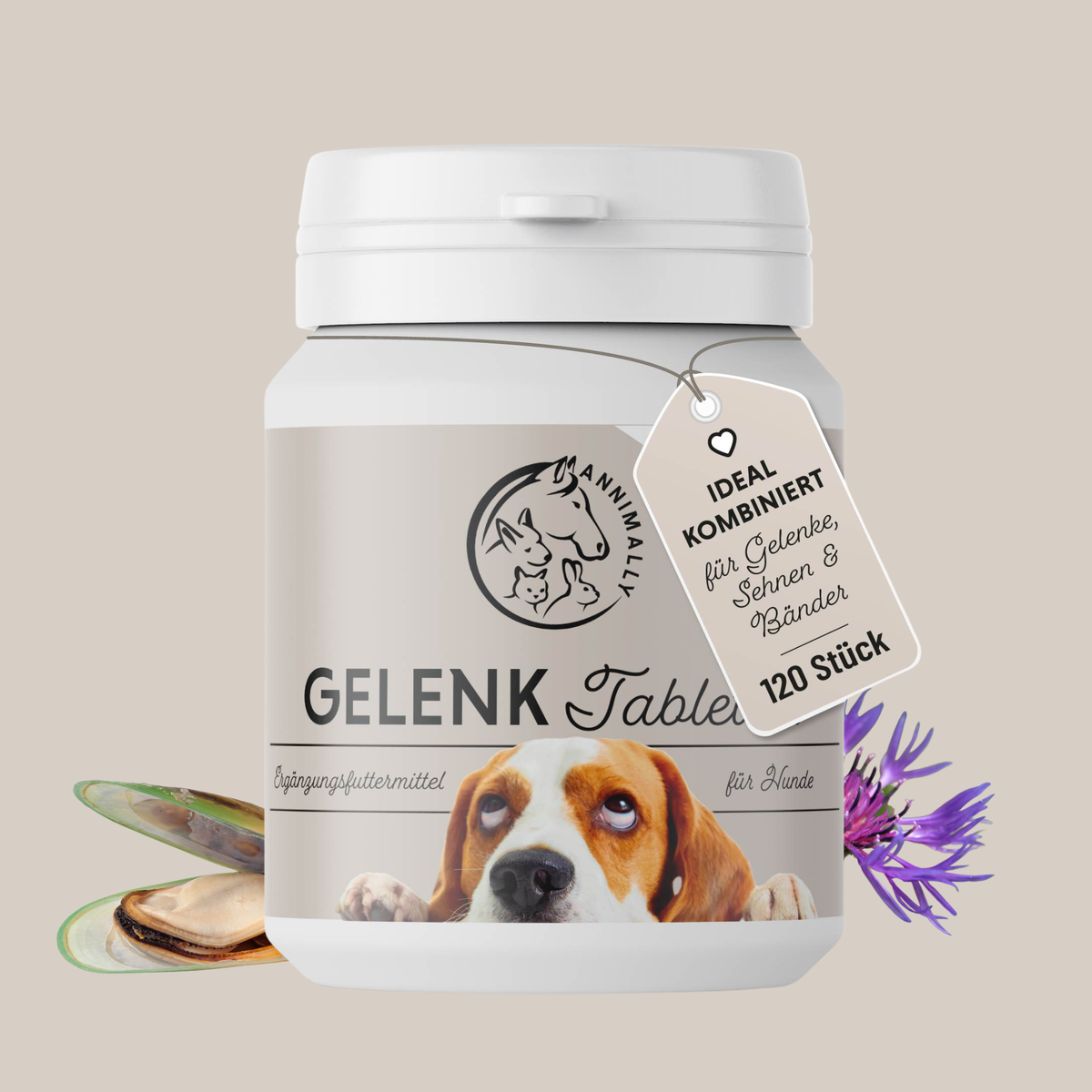
Tablets and capsules: These are easy to administer and can often be mixed into food. The dosage is usually precisely calibrated and easy to control.
-
Liquid hyaluronic acid: Liquid products are added directly to the food and are especially suitable for dogs that have trouble with tablets. Absorption is fast and often particularly effective.
-
Joint gels and creams: For dogs with acute joint problems or injuries, there are also gels that can be applied externally. They are primarily helpful for local discomfort but have a different effect than oral preparations.
Important notes on dosage and use
Hyaluronic acid is generally well tolerated, but the dosage is crucial. Ensure that you follow the manufacturer's instructions precisely. As a rule, the dosage depends on the dog's weight – larger dogs require more than smaller breeds. When in doubt, speak with your veterinarian, who can tell you exactly how much hyaluronic acid will best help your dog.
Are there side effects to hyaluronic acid?
In most cases, hyaluronic acid is well tolerated by dogs and does not cause side effects. However, some dogs may experience gastrointestinal issues or allergic reactions. If your dog shows diarrhea, vomiting, or skin irritation after taking hyaluronic acid, discontinue use and speak with your vet.
Tips for long-term use
-
Consistency is key: Hyaluronic acid shows its best effect with regular use over a longer period. Patience pays off – it often takes a few weeks for the first improvements to become visible.
-
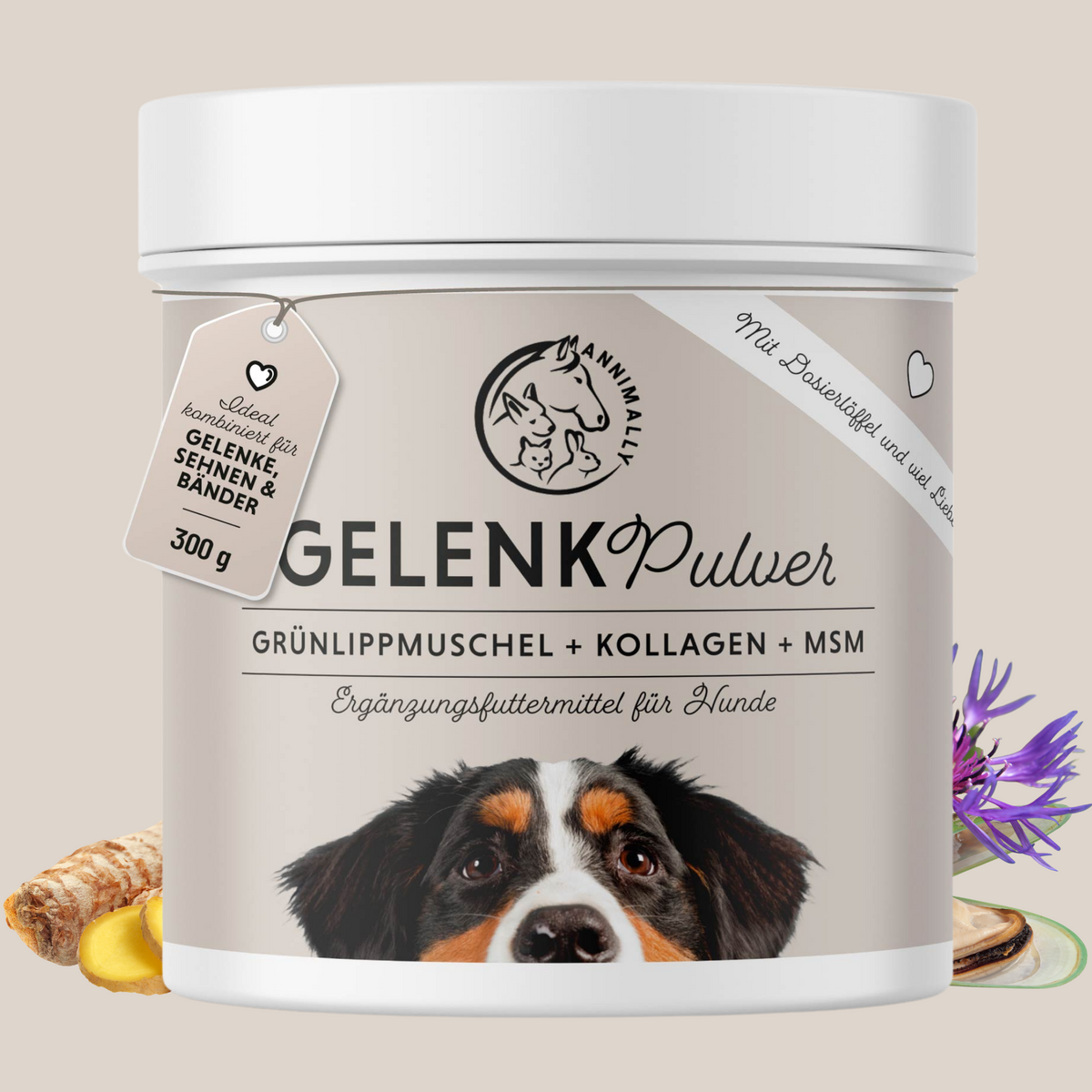
Combine with other joint nutrients: In combination with glucosamine, chondroitin, and omega-3 fatty acids, hyaluronic acid can be even more effective. These nutrients complement each other and promote general joint health.
-
Watch for your dog’s joy in movement: Observe whether your dog shows more joy in moving again or is able to walk more easily after starting supplementation. These signs indicate that the hyaluronic acid is working well.
Conclusion: Why hyaluronic acid can help your dog
Hyaluronic acid is a valuable supplement that helps your dog move more freely and feel better overall. Especially if your dog is prone to joint problems or is already older, hyaluronic acid can significantly improve their quality of life. It is important to pay close attention to the dosage and to rely on high-quality products to achieve optimal results.