


Rapeseed oil for dogs: Why this vegetable oil is a real all-rounder for the well-being of your four-legged friend
Rapeseed oil for dogs is becoming increasingly important in canine nutrition, and for good reason. This vegetable oil contains a balanced mixture of polyunsaturated fatty acids that can have a variety of positive effects on a dog's health. In particular, the omega-3 and omega-6 fatty acids contained in rapeseed oil play an important role in supporting skin health, joint function, and overall vitality.
But how exactly does rapeseed oil work in a dog's body, what benefits does it bring to your dog, and how best do you integrate it into their diet?
In this article, you will learn everything you need to know about the effects of rapeseed oil for dogs.

The production of rapeseed oil: Gentle processing for highest quality
The production of rapeseed oil takes place in several steps, the most important process being cold pressing. During this process, the seeds of the rapeseed plant are pressed without additional heat treatment, which allows the oil to retain its valuable nutrients such as omega-3 and omega-6 fatty acids, as well as vitamin E. Cold-pressed rapeseed oil is of particularly high quality because it preserves the best properties of the rapeseed seeds.
Some manufacturers also use a refined production method, where the oil is heated and filtered to remove impurities and extend its shelf life. However, this method can destroy some of the more sensitive nutrients, especially the unsaturated fatty acids. If you value the best health benefits for your dog, you should opt for cold-pressed, virgin rapeseed oil. It retains all its valuable ingredients and is therefore the ideal choice as a supplement in canine nutrition.
What makes rapeseed oil so special for dogs?
Rapeseed oil is a vegetable oil that is widely used in human cooking, but is also increasingly being used as a dietary supplement for dogs. The main advantage of rapeseed oil is its exceptionally high content of healthy omega fatty acids, which are present in an ideal ratio to one another. These unsaturated fatty acids play a key role in canine nutrition and contribute decisively to a dog's health.
Omega-3 fatty acids: The anti-inflammatory support for dogs
Omega-3 fatty acids, especially alpha-linolenic acid (ALA), are just as important for dogs as they are for humans. These fatty acids have an anti-inflammatory effect, which can be of great benefit to dogs suffering from joint problems or inflammatory diseases.
In addition, omega-3 fatty acids help promote healthy cell growth and support the cardiovascular system. With regular intake of omega-3 fatty acids, which are abundant in rapeseed oil, inflammation in the dog's body can be alleviated and general well-being improved.
Omega-6 fatty acids: Another plus for canine nutrition
Omega-6 fatty acids are also an essential component of rapeseed oil and play an important role in canine nutrition. They support skin health and contribute to the regeneration of skin cells, which can be beneficial for dogs with skin problems or sensitive skin.
Furthermore, omega-6 fatty acids are a key component of cell membranes and contribute to the stability and function of the entire organism. The right balance between omega-3 and omega-6 fatty acids is crucial for promoting your dog's health and well-being, and rapeseed oil provides this ideal ratio.
Rapeseed oil for dogs: The positive effects on health
1. Healthy skin and shiny coat through fatty acids
Rapeseed oil has a particularly positive effect on the skin and coat of dogs. The omega-3 and omega-6 fatty acids contained in rapeseed oil help to strengthen the skin barrier, retain moisture, and reduce inflammation. The result is healthy, well-circulated skin and a shiny coat.
For dogs prone to dry skin or a dull coat, rapeseed oil is a valuable addition to dog food. It supports the regeneration of skin cells and ensures more vitality and shine in the coat.
2. Promoting joint health and mobility
Rapeseed oil can provide valuable support, especially for older dogs or dogs suffering from joint problems like arthritis. The omega-3 fatty acids in rapeseed oil have an anti-inflammatory effect and can thus help to alleviate pain and inflammation in the joints. This promotes mobility and improves your dog's quality of life.
Even in young dogs, the regular supply of omega-3 fatty acids from rapeseed oil contributes to supporting long-term joint health.
3. Supporting the immune system and digestion
A dog's immune system can benefit from the regular intake of rapeseed oil. Omega-3 fatty acids support the immune defense and help to reduce inflammation that can burden the immune system. A healthy immune system is particularly important for dogs to ward off diseases and maintain general well-being.
Furthermore, due to its high digestibility, rapeseed oil can also be beneficial for dogs with a sensitive stomach or gastrointestinal issues. The fatty acids in rapeseed oil promote healthy digestion and support the absorption of nutrients in the body. If your dog suffers from digestive problems, rapeseed oil could be an excellent addition to their dog food.
4. Supporting the cardiovascular system
Rapeseed oil contains many polyunsaturated fatty acids that can have a protective effect on the cardiovascular system. Omega-3 fatty acids in rapeseed oil help to lower cholesterol levels and promote heart health by regulating blood lipid levels. Especially for dogs prone to obesity or cardiovascular diseases, rapeseed oil can provide valuable support.

The correct dosage of rapeseed oil for dogs
The dosage of rapeseed oil depends on the size and health status of your dog. As a general rule of thumb, you can give the following amount of rapeseed oil per day:
-
Small dogs (up to 10 kg): 1 teaspoon of rapeseed oil
-
Medium dogs (10–25 kg): 1 to 2 teaspoons of rapeseed oil
-
Large dogs (over 25 kg): 1 tablespoon of rapeseed oil
Start with a small amount to ensure that your dog tolerates the rapeseed oil well. If your dog shows no negative reactions, you can increase the amount as needed. Be careful not to heat the rapeseed oil, as this can destroy the valuable nutrients and fatty acids.
Rapeseed oil in canine nutrition: How to integrate it correctly
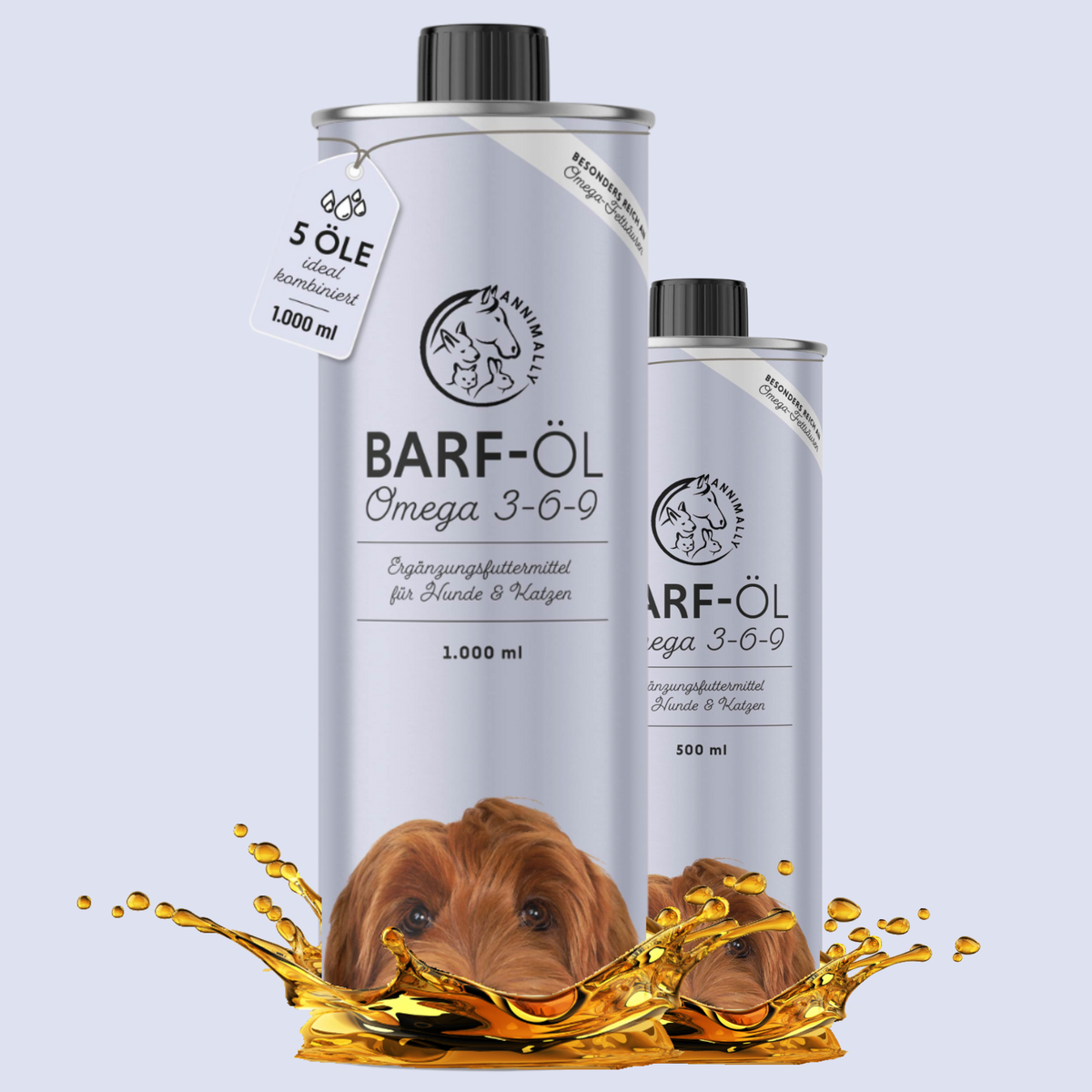
To fully utilize the benefits of rapeseed oil, it should be added to the dog food in its raw form. You can simply mix it into your dog's food. Rapeseed oil is a taste-neutral oil and is well accepted by most dogs. It is an excellent dietary supplement that can enrich canine nutrition.
Further benefits of rapeseed oil for dogs
-
Vitamin E: Rapeseed oil contains a high concentration of vitamin E, which acts as a powerful antioxidant and protects your dog's cells from harmful free radicals.
Better absorption of nutrients: The oil allows fat-soluble vitamins and nutrients to be better absorbed in your dog's body.
Alternative to other oils: Compared to other vegetable oils like olive oil or sunflower oil, rapeseed oil has a higher content of omega-3 fatty acids and a better ratio of omega-3 to omega-6 fatty acids.
Conclusion: Rapeseed oil as a valuable dietary supplement for dogs
Rapeseed oil is an excellent supplement for your dog's diet. It provides an ideal combination of omega-3 and omega-6 fatty acids, which promote the health of the skin, coat, joints, and the immune system.
It also contributes to supporting the cardiovascular system and digestion. If you dose rapeseed oil correctly and integrate it into your dog's diet, you will quickly notice the positive effects on your four-legged friend's well-being.
Give it a try and provide your dog with the valuable support they deserve. For a shiny coat, healthy skin, and improved quality of life!