
Vaseline for dogs – paw care in winter
When the first snow falls, it’s not just us humans who enjoy the white splendor – many dogs also love romping through the glistening winter landscape. However, the cold, road salt, and frozen ground bring challenges for our four-legged friends.
Dog paws, which are particularly sensitive, are under heavy strain during the winter months. Petroleum jelly for dogs is a simple and effective way to protect your dog's paws.
In this article, you will learn everything about proper paw care in winter, which products are suitable, and what you should look out for.
Why is paw care so important in winter?
Your dog's paws are exposed to numerous stressors every day. In winter, beyond the usual irritants like dirt, foreign objects, or hot streets in summer, other issues arise: cold, road salt, ice, moisture, and grit take a significant toll on the skin of dog paws.
Cracks, inflammation, or even pain can be the result. The pads and the spaces between the toes are especially sensitive. Therefore, good care during this season is particularly important for the well-being and health of your dog.
Petroleum jelly for dogs – is it allowed?
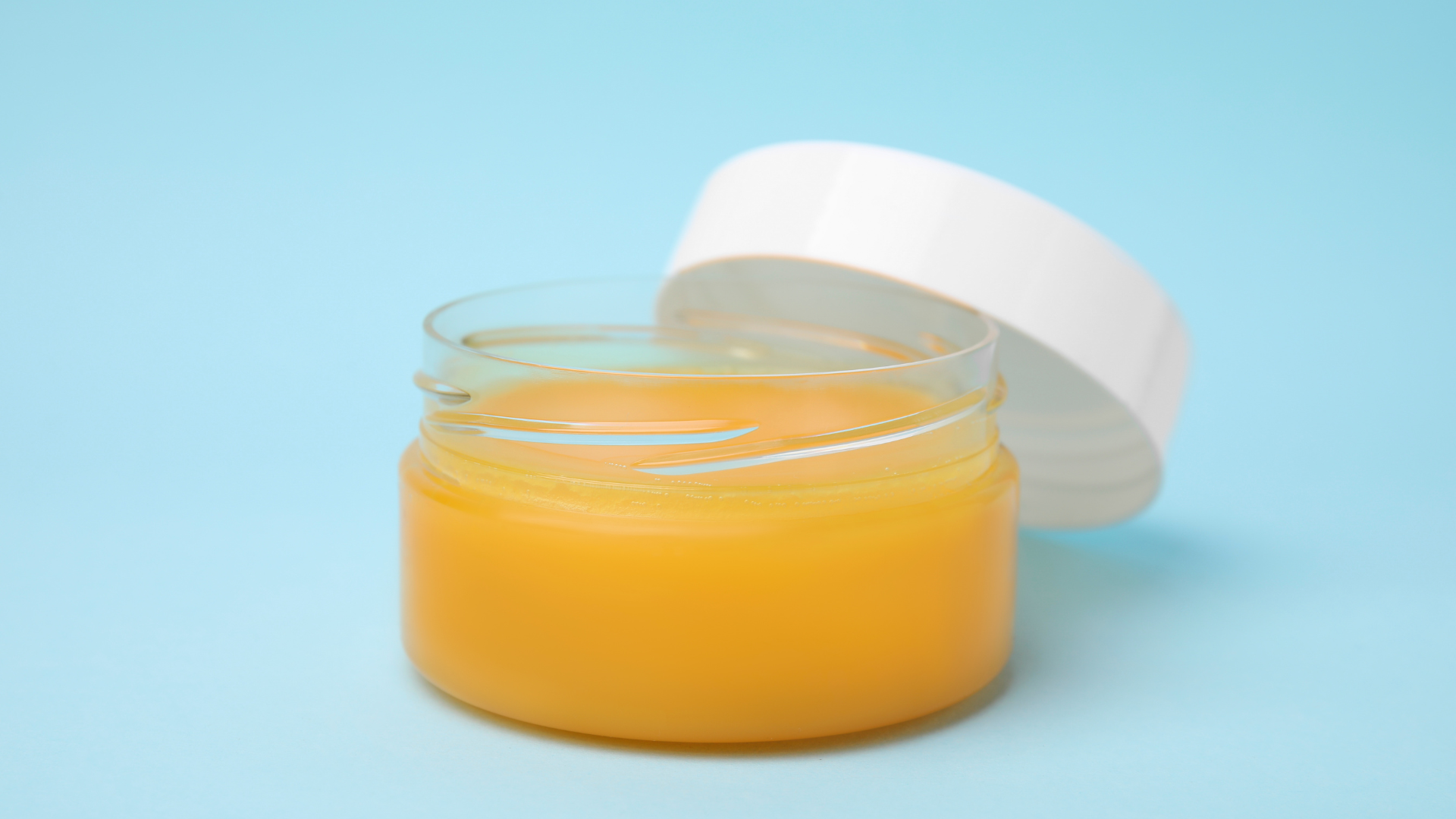
Many dog owners wonder if they can simply use petroleum jelly for paw care. The answer is: yes, but use it with caution. Petroleum jelly is a proven skin care product and protects the sensitive skin of the paws from drying out, cracking, and irritation. It forms a protective film over the paw pads, preventing aggressive substances like salt or grit from coming into direct contact with the skin.
It is important to use the purest product possible – ideally from a pharmacy, a health food store, or a specialized retailer. Make sure that it does not contain harmful ingredients such as tea tree oil, as these can be toxic to dogs.
How does petroleum jelly affect dog paws?
Petroleum jelly not only protects against external influences like cold and moisture but also cares for the callus. It makes cracked paw pads supple again, relieves skin irritation, and can even prevent mild inflammation. Especially in winter, when the ground is frozen and ice balls form between the toes, a protective layer of petroleum jelly is often the best way to prevent problems.
Application tips – how to properly care for your dog's paws
For paw care with petroleum jelly to be truly effective, it comes down to the right application:
-
Cleaning before application: After a walk, remove dirt, pebbles, salt residue, and ice balls from the fur and the spaces between the toes. Warm water and a soft towel are usually sufficient.
-
Gently dry the paws: Ensure the paws are completely dry before applying the petroleum jelly. This allows the product to be absorbed better.
-
Apply a thin layer of petroleum jelly: Put a small amount of petroleum jelly on your fingers and gently massage it into the pads. You can also lightly cream the spaces between the toes.
-
Prevent licking: Many dogs lick their paws – this can weaken the effect or lead to skin irritation. Distract your dog a little after applying the cream, for example with a toy or a short walk.
Alternatives – what else is available?
In addition to petroleum jelly, there are other products suitable for paw care. These include:
-
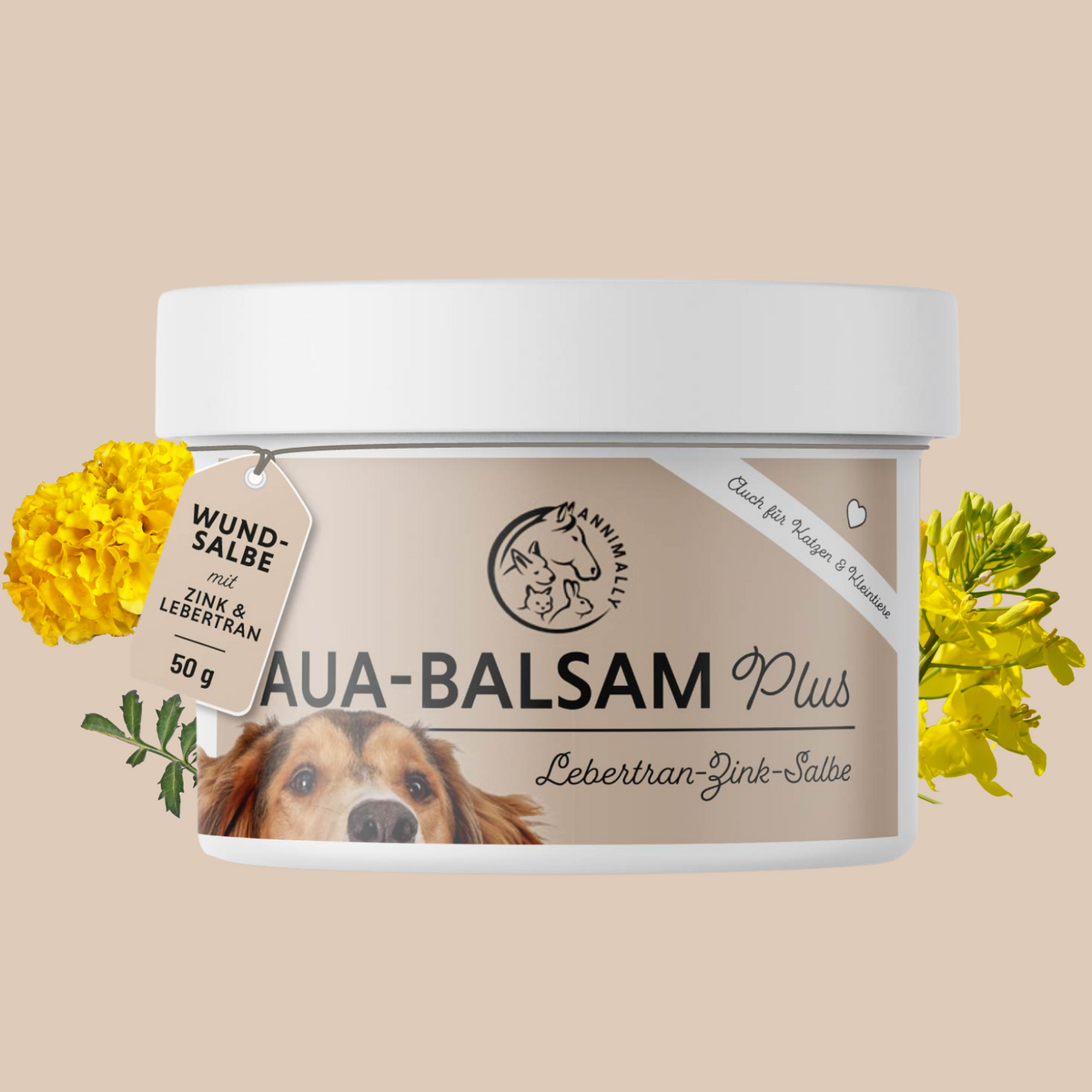
Paw balm with natural plant oils, shea butter, coconut oil, or beeswax. These are particularly well-tolerated and provide additional nourishing ingredients.
-
Udder cream or deer tallow – these classics are also a good base for care and offer protection during extreme cold.
-
Special creams for dogs from pet stores, which are precisely tailored to the needs of the animals.
Which product you choose depends on your dog's needs – and, of course, the price you are willing to pay. Many high-quality paw balms are slightly more expensive, but they are rich in valuable ingredients.
Further tips for healthy dog paws in winter
Using petroleum jelly is an important building block, but it is not the only way you can help your dog through the cold season. Here are a few additional tips:
-
Trim the hair between the toes: Using small scissors, you can remove excess fur between the toes. This way, fewer ice balls and less dirt will get stuck.
-
Check paws regularly: Look for cracks, redness, or foreign objects. If problems persist, you should see a veterinarian.
-
Shoes for dogs: In particularly harsh winters or for sensitive animals, special dog boots can help protect the paws from the aggressive ground.
-
Choose routes with less road salt: Avoid heavily salted paths when going for a walk. If possible, look for natural paths instead.
-
Always clean paws after a walk: This prevents salt and other substances from causing further irritation.
Conclusion – Getting through the cold season with petroleum jelly
The winter season can be quite uncomfortable for your dog – especially for their hind legs and paws when snow, road salt, and frozen ground leave their mark. With proper care, e.g., by using petroleum jelly, you protect your animal's sensitive skin and prevent pain, cracks, or inflammation.
Don't forget: your dog's paws carry them through life – so take good care of them. And it's easier than you might have thought. With a bit of petroleum jelly, some attention, and regular checks, you will make winter much more pleasant for your furry friend.