
Vitamin B12 for dogs: Why it's so important and how to recognize a deficiency
Vitamin B12, also called cobalamin, is an essential nutrient that is indispensable for many vital processes in your dog's body.
It belongs to the group of B vitamins and plays a central role in blood formation, energy metabolism, nerve function, and cell division. A vitamin B12 deficiency can cause serious health problems, which is why it is important to ensure an adequate supply.
In this article, you will learn how to optimally provide your dog with vitamin B12, which supplementation is useful, and when substitution becomes necessary.
What is vitamin B12 and why is it so important for dogs?
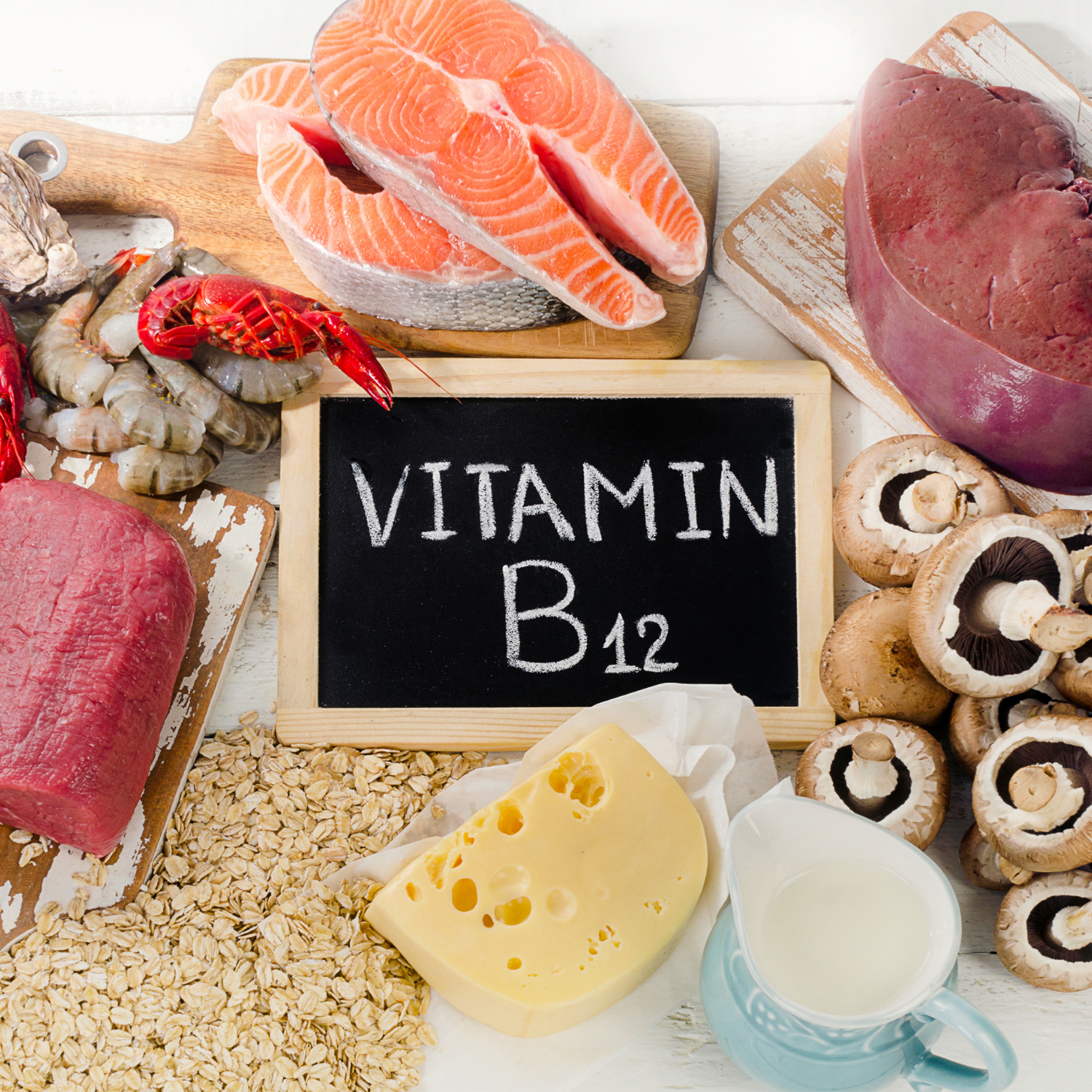
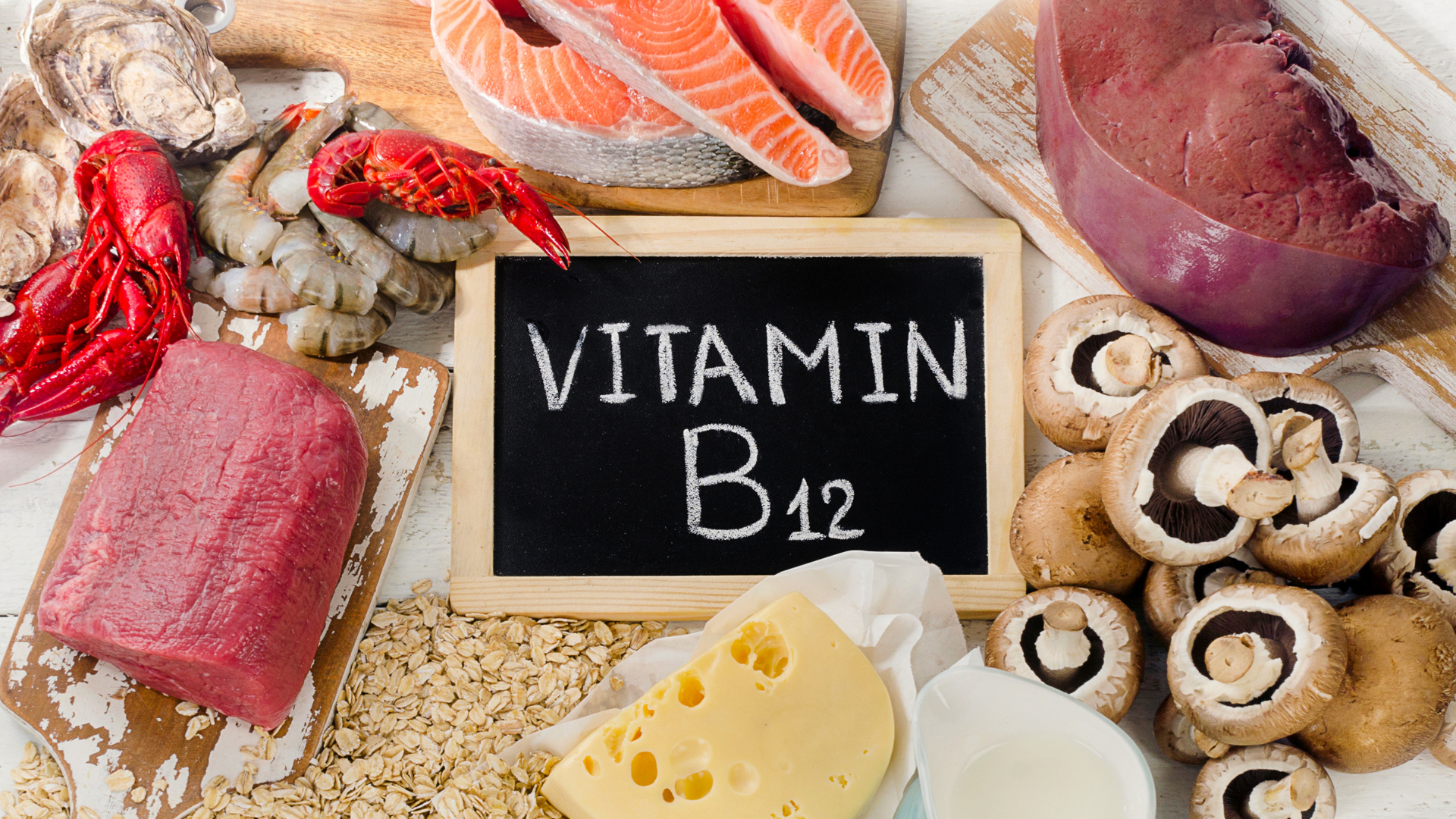
Vitamin B12 is a water-soluble vitamin that belongs to the group of B vitamins. Unlike other B vitamins, it is absorbed almost exclusively through animal-based food, particularly through the consumption of meat, fish, and liver.
Your dog needs vitamin B12 to maintain important body functions, including:
-
Support of the immune system: An adequate supply of vitamin B12 helps the immune system to efficiently ward off pathogens.
-
Function of the nervous system: It plays a crucial role in healthy nerves and protects the intestinal mucosa.
-
Energy metabolism: Vitamin B12 is involved in the conversion of fats, proteins, and carbohydrates into energy.
-
Skin and coat: A deficiency can lead to skin problems and a dull, brittle coat.
-
Blood formation: Vitamin B12 supports the formation of red blood cells and contributes to optimal oxygen supply.
-
Intestinal mucosa and digestion: It helps maintain a healthy intestinal mucosa, which is essential for nutrient absorption.
Vitamin B12 deficiency in dogs: Causes and symptoms
A vitamin B12 deficiency can be triggered by various factors. Since vitamin B12 plays a crucial role in energy metabolism, nerve function, and blood formation, a deficit can have serious consequences for your dog's health. The most common causes of a deficiency are:
Insufficient intake through food
The most important source of vitamin B12 for dogs is animal-based food, especially meat, fish, and liver. However, if the food is of inferior quality or contains only a few animal components, the vitamin B12 supply can be inadequate. Dogs that are fed with a one-sided or unbalanced composition are particularly affected.
Malabsorption in the gastrointestinal tract
Even if a dog absorbs enough vitamin B12 through food, it may be that the body cannot properly utilize the vitamin. This is often the case with gastrointestinal diseases that reduce the bioavailability of vitamin B12. Chronic intestinal diseases, a disturbed intestinal mucosa, or diseases of the pancreas, such as exocrine pancreatic insufficiency, are particularly problematic. With these diseases, the intestine's ability to absorb nutrients is severely restricted, so a deficiency can arise despite sufficient intake.
Increased need for vitamin B12
During certain life stages or health situations, your dog's vitamin B12 requirement may increase. Puppies and young dogs that are still growing often need larger amounts to optimally support the processes of cell division and energy metabolism. Pregnant and lactating dogs also have an increased nutrient requirement to provide adequately for both themselves and their puppies.
Furthermore, sick or weakened dogs can also have a higher need for vitamin B12, especially if they suffer from chronic diseases, intestinal mucosa problems, or a weakened immune defense.
If you suspect that your dog is suffering from a vitamin B12 deficiency, you should not hesitate to see a veterinarian. An early look at the blood count can help to avoid serious problems and ensure appropriate care.
Symptoms of a vitamin B12 deficiency
A vitamin B12 deficiency can manifest itself through various symptoms.
Your dog could suffer from a loss of appetite and lose weight despite normal feeding. Affected dogs often show general weakness and lethargy, making them less active than usual.

In addition, gastrointestinal problems such as diarrhea or vomiting can occur, which can indicate a disturbed intestinal mucosa. In some cases, a deficiency also manifests itself through neurological abnormalities, such as tremors or coordination problems, which point to an impairment of the nervous system.
Another common sign is coat problems: the coat may appear dull, dry, or shaggy, while the skin becomes more sensitive. Furthermore, a severe vitamin B12 deficiency can lead to pale mucous membranes, as the immune system and blood formation are impaired.
If your dog shows one or more of these symptoms, you should definitely see a veterinarian to have the vitamin B12 level checked and to consider appropriate substitution.
How can you ensure your dog's vitamin B12 supply?
The vitamin B12 supply can be optimized in several ways:
1. High-quality food with vitamin B12
Good dog food should contain sufficient vitamin B12. Especially high-quality are types of food with:
-
Meat (especially liver) as the main ingredient
-
Fish as a natural source of vitamin B12
-
Additional B vitamins (e.g., vitamin B1, vitamin B2, vitamin B6, and biotin)
Check the composition of the food to ensure that your dog absorbs enough vitamin B12.
2. Supplementation with vitamin B12 tablets or powder
If your dog does not absorb enough vitamin B12 through its food or has health problems, supplementation with vitamin B12 tablets or powder can be useful. These products are available in different forms:
-
Tablets or capsules: Easy to dose and often available in combination with other B vitamins.
-
Powder to mix into the food: Especially practical for dogs that do not like tablets.
-
Injections: In cases of severe deficiencies, direct administration by the veterinarian may be necessary.
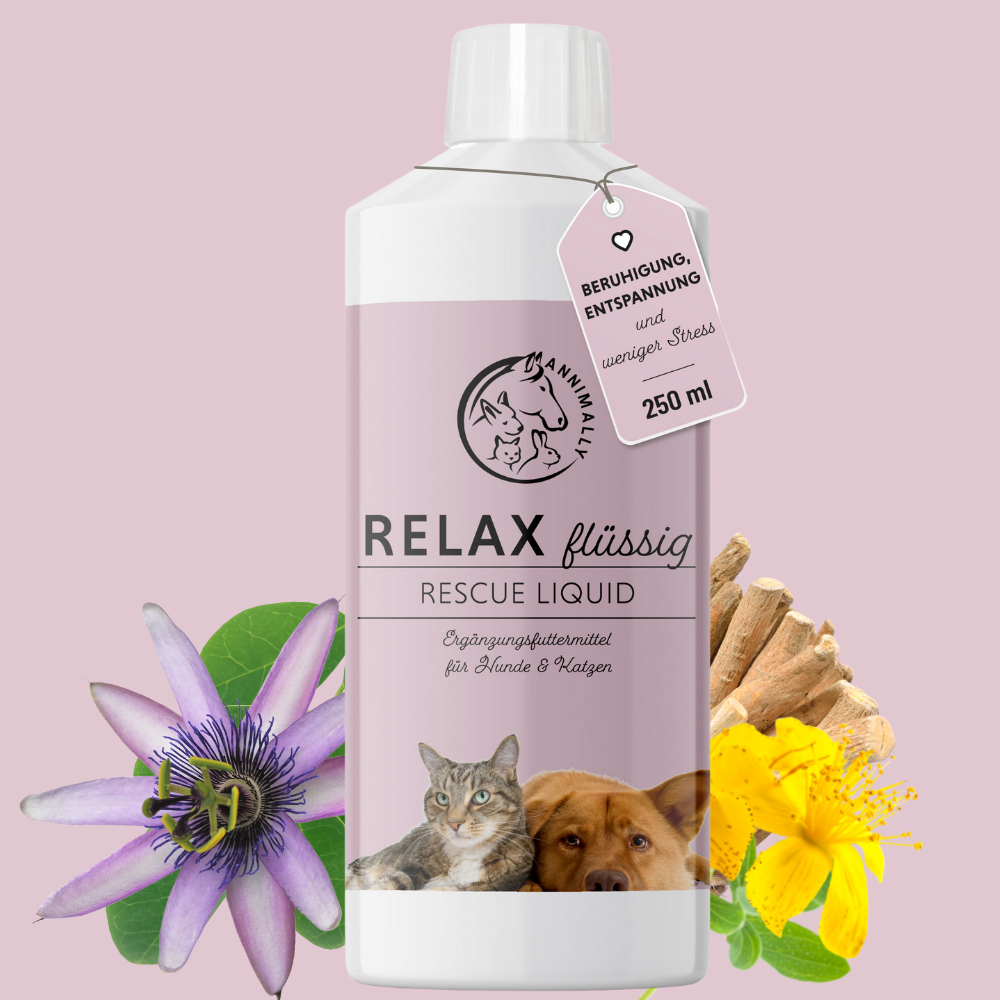
Our Relax Liquid was specially developed to provide your dog with essential nutrients, including B vitamins and vitamin B12, in a natural way. The liquid form ensures high bioavailability and easy feeding.
3. Fresh foods as a source of vitamin B12
If you feed your dog fresh ingredients, you can improve its vitamin B12 supply with the following foods:
-
Liver (beef, chicken, or lamb)
-
Fish such as salmon or mackerel
-
Eggs (in moderation)
-
High-quality meat from Germany with proven quality
What role do other B vitamins play?
Besides vitamin B12, other B vitamins are also important for dogs:
-
Vitamin B1 (thiamine): Supports the nervous system and carbohydrate metabolism.
-
Vitamin B2 (riboflavin): Promotes energy production and metabolism.
-
Vitamin B6 (pyridoxine): Essential for protein metabolism and the nerves.
-
Biotin: Important for healthy skin and a shiny coat.
-
Folic acid: Supports cell formation and has a positive effect on blood formation.
A vitamin B complex can help to cover the entire group of B vitamins and ensure an optimal supply.
Conclusion: Vitamin B12 is essential for your dog's health
This vitamin is a vital nutrient that supports many processes in your dog's body – from nerve function and blood formation to energy metabolism. A deficiency can cause serious problems, which is why regular monitoring of the supply is important.
Pay attention to high-quality food, supplement with vitamin B12 tablets or powder if necessary, and consult a veterinarian if your dog shows symptoms of a vitamin B12 deficiency.
With the right composition of its food, you can ensure that your dog is optimally supplied and leads a healthy, active life.