

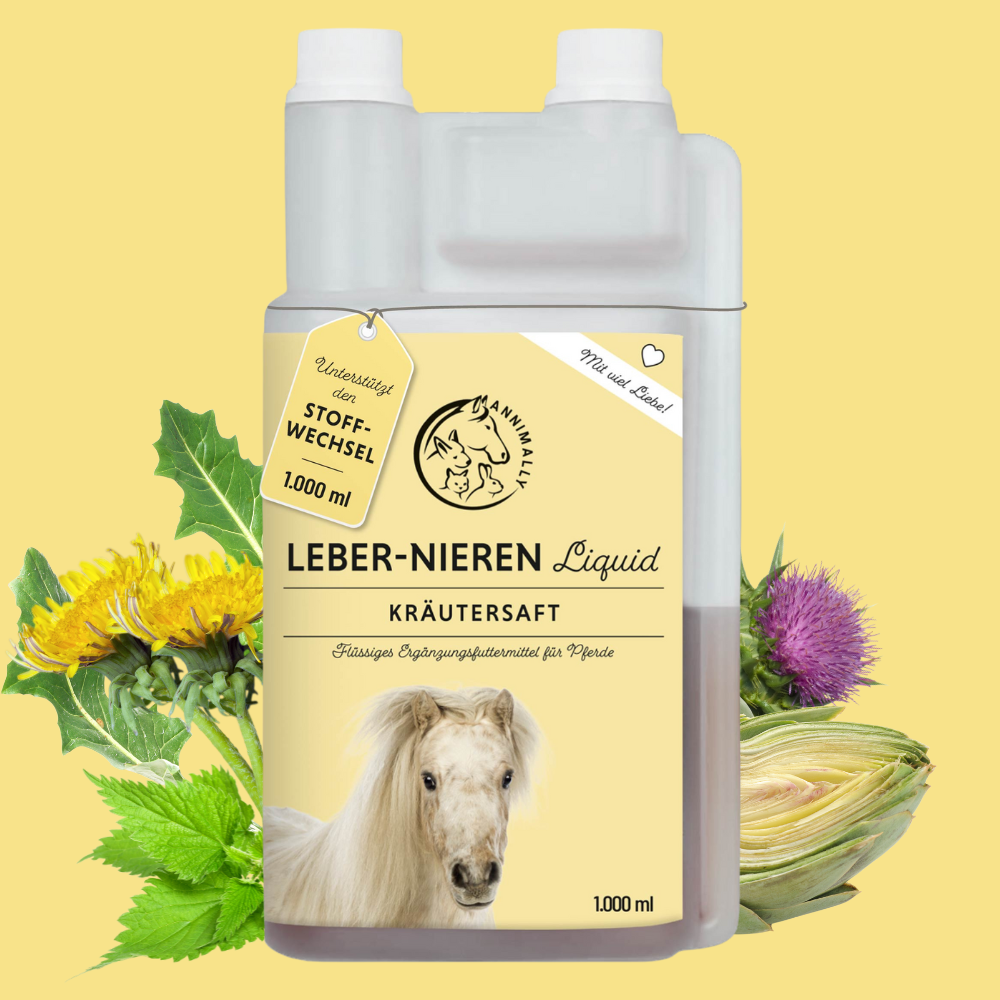
Artichoke for horses: Natural support for liver and digestion
Did you know that the artichoke is not only a true delicacy on the human dinner plate but also plays an important role in horse nutrition? The plant Cynara scolymus, as it is botanically called, is a real miracle weapon when it comes to supporting the liver, digestion, and metabolism in horses.
In this article, you will learn how you can use artichokes for your horse in a targeted way, what benefits they offer, and what you should pay attention to when feeding them.
Why is the artichoke so valuable for horses?
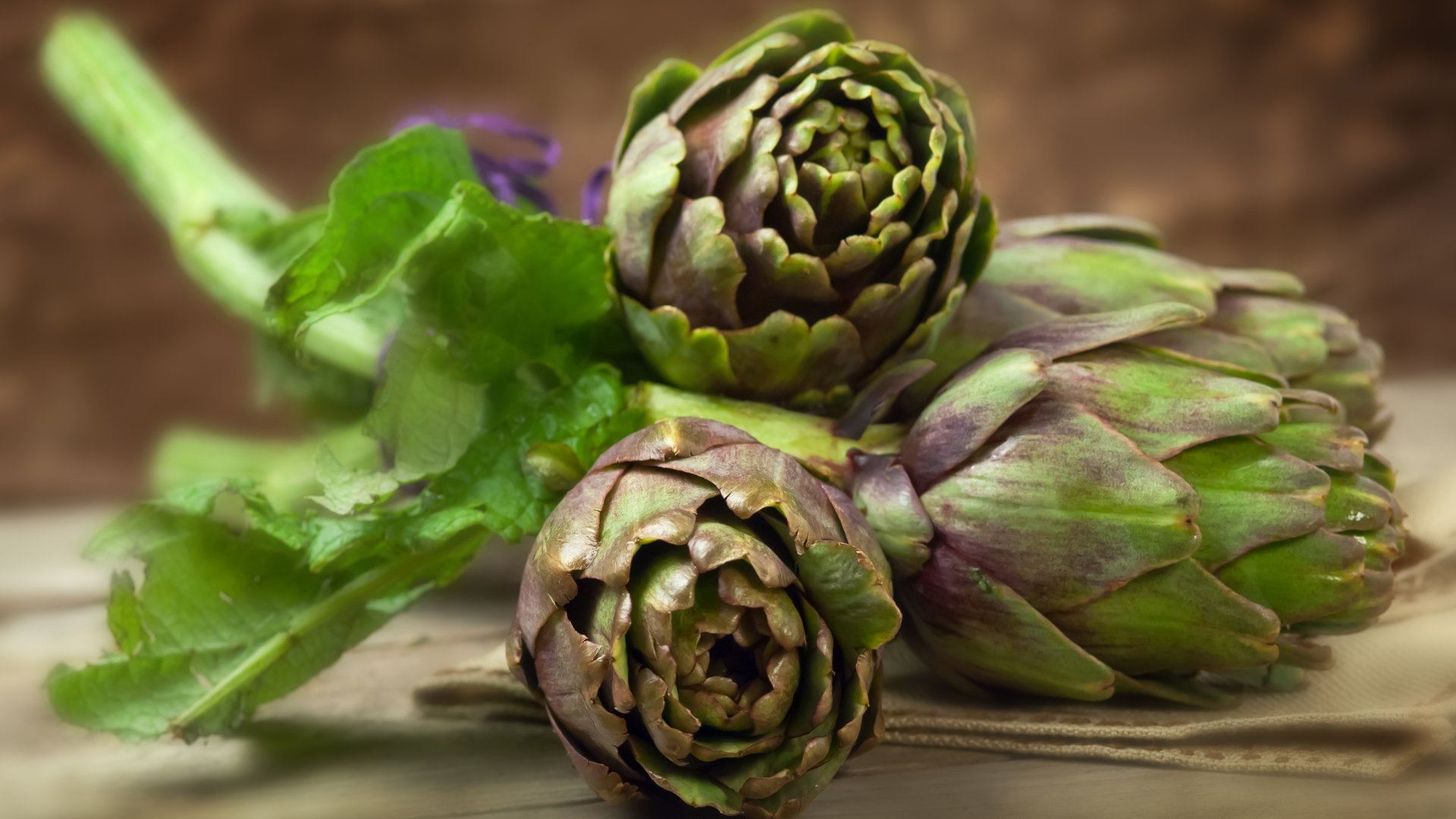
The artichoke belongs to the daisy family and is known for its flower-like bracts and its liver-friendly effects. Artichoke leaves, in particular, contain numerous valuable ingredients such as bitter substances, flavonoids, vitamins, and enzymes. These bitter substances promote digestion in horses, stimulate liver function, and can support the entire liver metabolism.
Especially for horses with liver problems, digestive issues, or flatulence, the artichoke can be a natural and gentle aid. The administration of artichoke leaves can also be a sensible supplement during diet changes, in phases of stress, or for older horses.
Bitter substances – small helpers with a big impact
The bitter substances contained in the artichoke promote bile production and thus stimulate detoxification. This is particularly important for horses, as the liver, the central organ for detoxification, is often heavily taxed—whether by medication, deworming, contaminated feed, or environmental toxins.
Through these bitter substances, the artichoke can support the strengthening of liver function while simultaneously improving digestion. It is therefore particularly helpful for digestive problems such as flatulence, sluggish bowel activity, or fecal water.
Artichoke in horse nutrition – in what form?
The feeding recommendation depends on the form in which you wish to offer the artichoke to your horse. It is available as powder, pellets, or dried artichoke leaves—each as a pure complementary feed or in combination with other herbs like milk thistle.
Here are some forms that have proven effective:
-
Artichoke pellets: Simply mix into the concentrated feed. Ideal for picky eaters.
-
Artichoke powder: Easy to dose, also suitable as a treatment course.
-
Dried artichoke leaves: Better suited for horses that accept herbs well.
High feed quality is always important—when choosing, look for tested products, preferably without additives, and with transparent dosage information.
Combination with milk thistle – a power duo for the liver
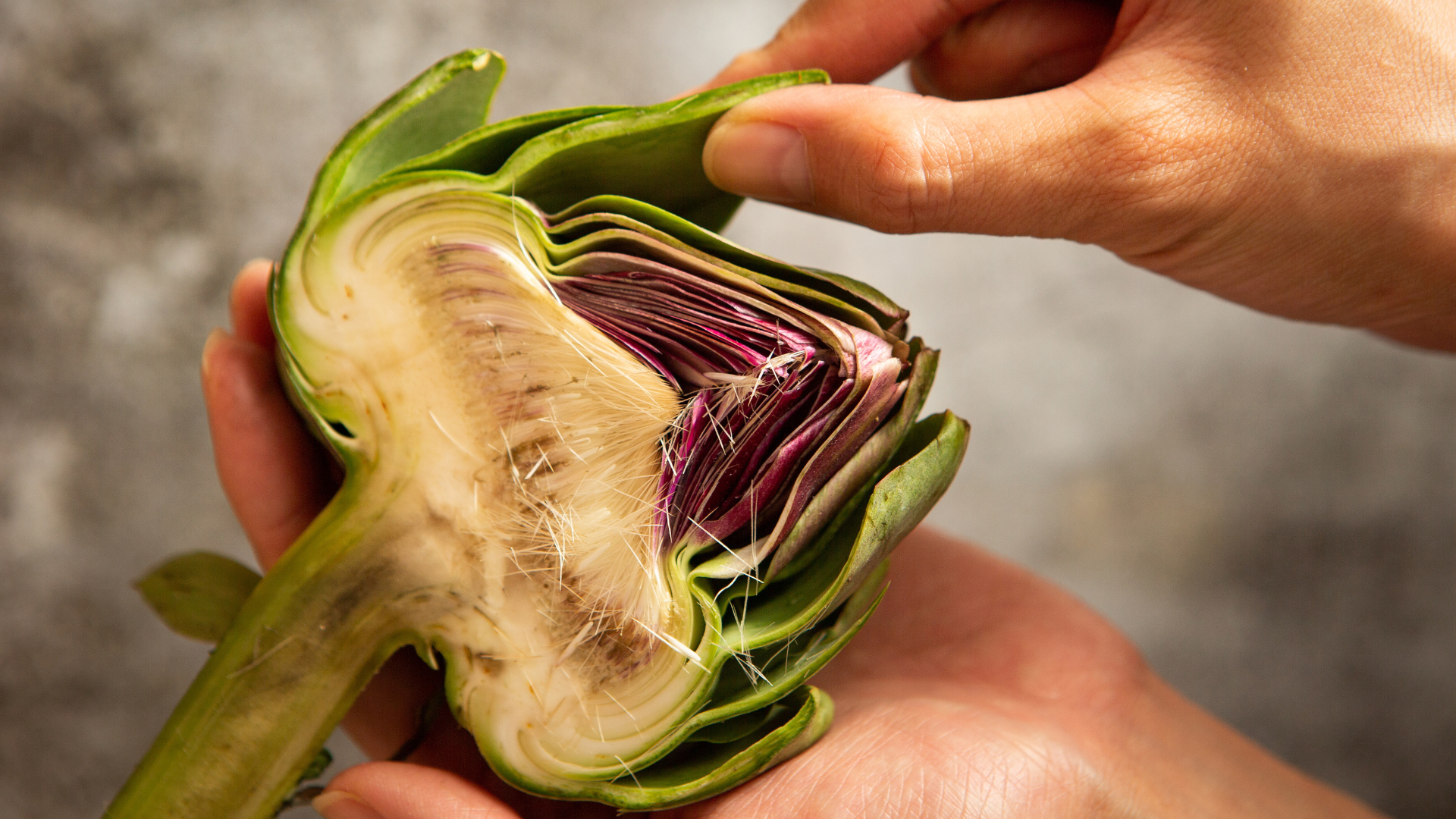
Milk thistle is another classic in feeding for liver problems. In combination with the artichoke, it can develop an even stronger effect. While the artichoke stimulates bile flow and digestion, milk thistle protects liver cells through its active ingredient silymarin and promotes their regeneration.
This duo is particularly sensible for horses with chronic metabolic disorders, EMS, Cushing's, or after medication. This combination can also be ideal for strengthening older horses.
Artichoke as support during feed changes
If you want to switch your horse to new feed, the artichoke is a valuable companion. It not only supports digestion but also helps the metabolism adjust to new feed items. Many horses react to new rations with flatulence or sluggish digestion—here, the bitter substances of the artichoke can have a regulating effect.
Vitamins and crude fiber – valuable for every horse
In addition to bitter substances, the artichoke also provides a decent portion of vitamin C, which is important for your horse's immune system. Furthermore, the plant contains plenty of crude fiber, which supports bowel activity and ensures a healthy gut flora.
Whether as a treatment course or as a permanent addition—the artichoke provides important vitamins, promotes the function of the liver and gall bladder, and ensures that your horse can better utilize its feed.
What should you watch out for?
Although the artichoke is a very well-tolerated plant, you should keep a few things in mind when using it:
-
Dosage: Start with small amounts and observe how your horse reacts to it.
-
Quality: Look for high-quality products, free from toxins or contaminants.
-
Consultation with a veterinarian: Especially if there are existing liver problems, you should consult with a veterinarian before administration.
Starting too quickly or using too large amounts can lead to diarrhea in individual cases—especially in very sensitive horses. Caution is also advised for pregnant mares.
Conclusion: The artichoke – an ancient medicinal plant for new challenges
The artichoke has long since proven itself not only as food for humans but also demonstrates its strengths in modern horse keeping. Whether you want to support your horse's liver function, stimulate the metabolism, or stabilize digestion during feed changes—the artichoke is a natural helper with great potential.
Especially in combination with milk thistle, as a pellet or powder, you can do something good for your horse with the artichoke. It is more than just a pretty flower—it is a true health booster with a long tradition.
Give it a try—your horse will thank you!