
Fenugreek for horses: Natural support for digestion, immune system and respiratory system
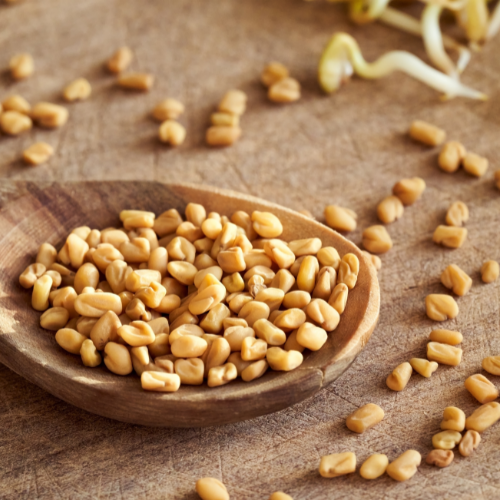
Fenugreek is a valuable spice plant that has been prized since antiquity for its health-promoting properties. It is also increasingly used in horse feeding, as fenugreek seeds contain a multitude of important ingredients that can have a positive effect on the gastrointestinal tract, the respiratory tract, and the immune system of horses.
In this article, you will learn how fenugreek seeds affect your horse, how to use them correctly, and what you should look out for regarding feeding recommendations.

Fenugreek – an ancient medicinal plant with a great effect
Even in ancient times, people were aware of the positive properties of fenugreek. The plant originates from the Mediterranean region and Asia but was already being cultivated in the monastery gardens of the Middle Ages in Germany. Today, it is valued as a high-quality single feed for horses.
The seeds of the plant are rich in valuable ingredients such as:
✔ Mucilages – support the mucous membranes of the respiratory and digestive tracts
✔ Saponins – have a metabolism-promoting effect and help with nutrient absorption
✔ Bitter substances – stimulate the appetite and digestion
✔ Flavonoids – antioxidant plant compounds for strengthening the immune system
✔ Vitamins such as Vitamin C – support natural defenses and cell health
✔ Fatty acids – promote skin, coat, and energy metabolism
✔ Crude fiber – improves digestion and intestinal flora
These valuable substances make fenugreek an excellent support for your horse's overall health.
The effect of fenugreek on horses
1. Support of the gastrointestinal tract and digestion
The mucilages, bitter substances, and crude fiber contained in fenugreek seeds have a positive effect on the entire gastrointestinal tract and digestion. Feeding can be particularly useful for sensitive or older horses to regulate digestion and prevent issues such as flatulence or colic.
Additionally, the saponins contained help with the absorption of nutrients, which is especially advantageous for horses with poor feed conversion.
2. Strengthening the immune system
Fenugreek contains a high amount of vitamin C, which, together with flavonoids, can have an antioxidant and anti-inflammatory effect. This strengthens your horse's immune system, making it more resistant to infections and diseases. This can be particularly beneficial in the cold season or for horses prone to stress.
3. Support of the respiratory tract
The mucilages contained can have a soothing effect on the mucous membranes of the respiratory tract and help to loosen stubborn mucus and improve breathing. This makes fenugreek a valuable addition to the diet of horses with respiratory problems.
4. Appetite-stimulating and performance-enhancing
Thanks to the bitter substances it contains, fenugreek can stimulate the appetite. This is particularly helpful for horses that do not eat much or need to regain their strength after an illness. The use of fenugreek seeds can also be sensible for older horses or sport horses that require a lot of energy.
5. Benefits for mares and breeding horses
Mares, in particular, can benefit from the hormone-regulating properties of fenugreek. Furthermore, the fatty acids and vitamins contained support overall well-being and performance, which is also advantageous for large horses or horses in training.

Application and correct feeding of fenugreek seeds for horses
What forms are available?
Fenugreek is available in various forms:
-
Whole fenugreek seeds – must be soaked before feeding
-
Ground seeds or powder – can be mixed directly into the feed
-
Extracts or pellets – often in combination with other herbs
How do you feed fenugreek correctly?
-
Soaking seeds: Whole fenugreek seeds should be soaked in water for at least 2 hours before feeding so that the mucilages are activated.
-
Powder or ground seeds: This variety can be mixed directly into the feed and is particularly practical in daily horse feeding.
How much fenugreek can a horse have? (Amount & dosage)
The recommended amount depends on size:
-
Small horse & pony: 10-20 g per day
-
Large horse: 20-40 g per day
A practical measuring spoon helps ensure the correct dosage.
Are there side effects or risks?
Fenugreek is a well-tolerated single feed with no artificial additives. However, in large quantities, it can lead to flatulence or mild diarrhea. Pregnant mares should be handled with care, as fenugreek can have a hormonal effect.
Conclusion: A valuable natural additive in horse feeding
Fenugreek is a versatile spice plant with valuable properties for your horse's health. Due to its positive effect on digestion, the immune system, the respiratory tract, and the appetite, it can be a sensible supplement to the feed.
Through proper application and dosage, you can offer your horse natural support – completely without artificial additives.