
Magnesium for horses – Why this mineral is so important for health, nerves and muscles
If you own or care for a horse, you know how sensitive these animals are to changes in their environment or training. Nutrition plays a central role in this, particularly the supply of essential minerals. An often underestimated component in horse feeding is magnesium.
In this article, you will learn everything you need to know about magnesium for horses – from its functions and deficiency symptoms to various forms such as magnesium oxide or magnesium fumarate.
Why is magnesium so important for horses?
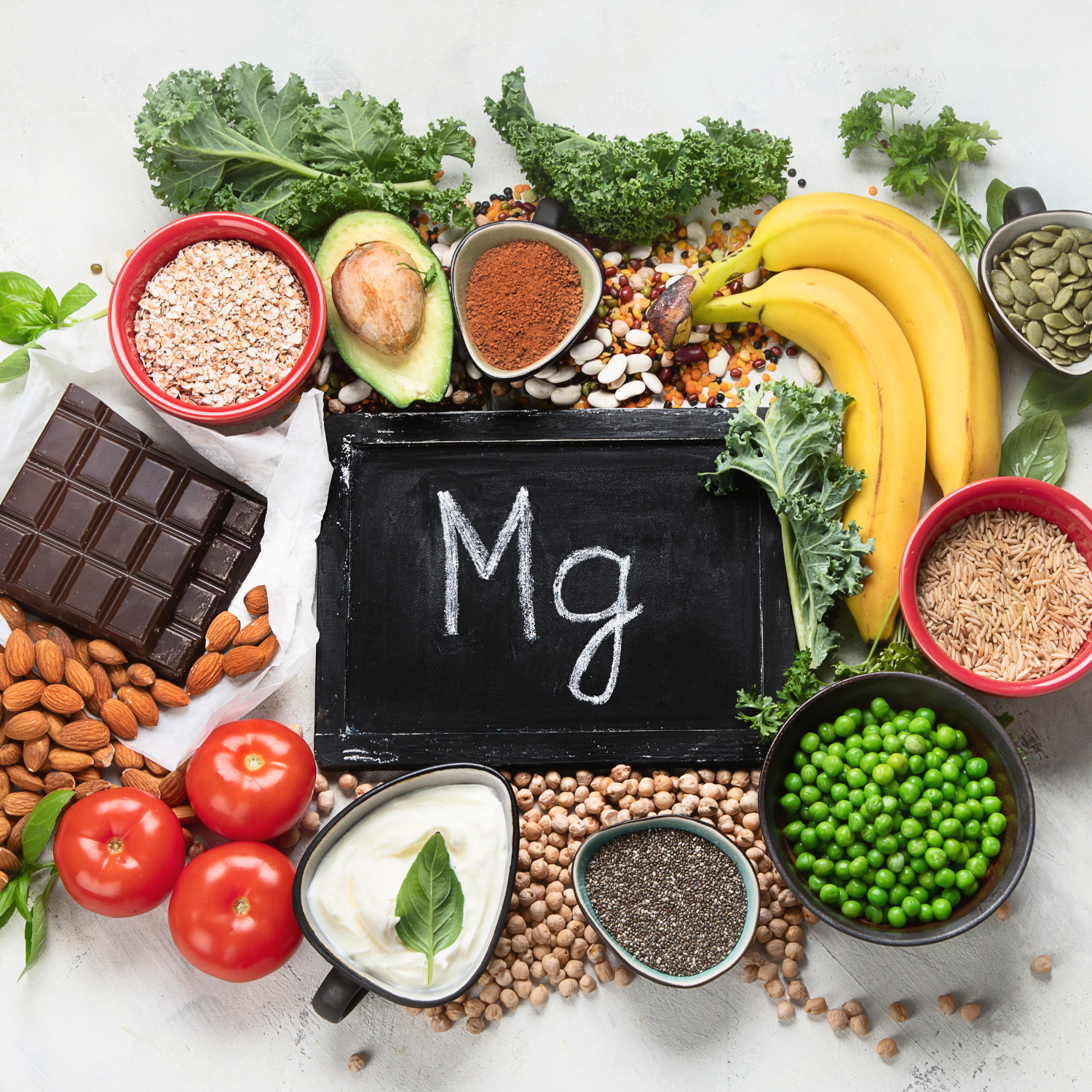
Magnesium is an essential mineral that performs many vital functions in your horse's body. It plays a significant role in nerve function, muscle function, metabolism, and bone structure. Without an adequate supply of magnesium, your horse cannot reach its full potential.
Especially for sport or leisure horses under stress, high exertion, or intensive work, the magnesium requirement increases significantly. The need is also elevated during certain life stages such as growth, pregnancy, or illness.
Magnesium deficiency – How to recognize it
A magnesium deficiency in horses can manifest through a variety of symptoms. The signs are often nonspecific, but you should become alert if your horse:
-
suffers from muscle tension or tremors,
-
is unusually skittish or nervous,
-
shows stress reactions,
-
expresses increased fear or insecurity,
-
is prone to muscle cramps,
-
shows a decline in performance willingness,
-
has difficulty with coordination.
In some cases, a magnesium deficiency can even lead to colic, as the digestive tract and intestinal muscles can also be affected. A striking blood count can also provide indications of a magnesium deficiency, although it is not always easy to reliably measure the actual levels in horses.
Causes of magnesium deficiency in horses
The reasons for an inadequate magnesium supply can be manifold.
Here is an overview:
-
One-sided feeding, especially with a lot of grain and little fiber-rich feed
-
Low magnesium levels in forage or pasture grass (e.g., due to depleted soils)
-
Increased demand due to stress, training, or tournaments
-
Poor absorption through the intestine due to metabolic disorders
-
Unfavorable ratio to other minerals such as calcium or phosphorus
-
An unbalanced diet or low-quality products
What functions does magnesium have in the horse's body?
Magnesium is a true all-rounder and is involved in more than 300 enzymatic reactions in the body. It is particularly important for:
-
regulating the nervous system
-
nerve impulse transmission between nerves and muscles
-
relaxed musculature (prevents cramps)
-
bone stability
-
energy production in cell metabolism
-
supporting the effectiveness of vitamin B12 and vitamin E
Magnesium unfolds its full effect especially in interaction with vitamin E, as both work together to protect cell membranes and scavenge free radicals. Vitamin B12 also contributes to better nerve regeneration – an unbeatable trio for your horse's nerve health.
The best magnesium sources – Which form of magnesium is ideal?
Magnesium can be supplemented in various chemical forms. However, the quality and bioavailability vary greatly:
1. Magnesium oxide
-
Especially widespread in complementary feeds
-
Inexpensive and stable, but comparatively low bioavailability
-
Well-suited for long-term use
2. Magnesium fumarate
-
Organic compound with very good absorbability
-
Particularly suitable for acute deficiency or during stressful phases
-
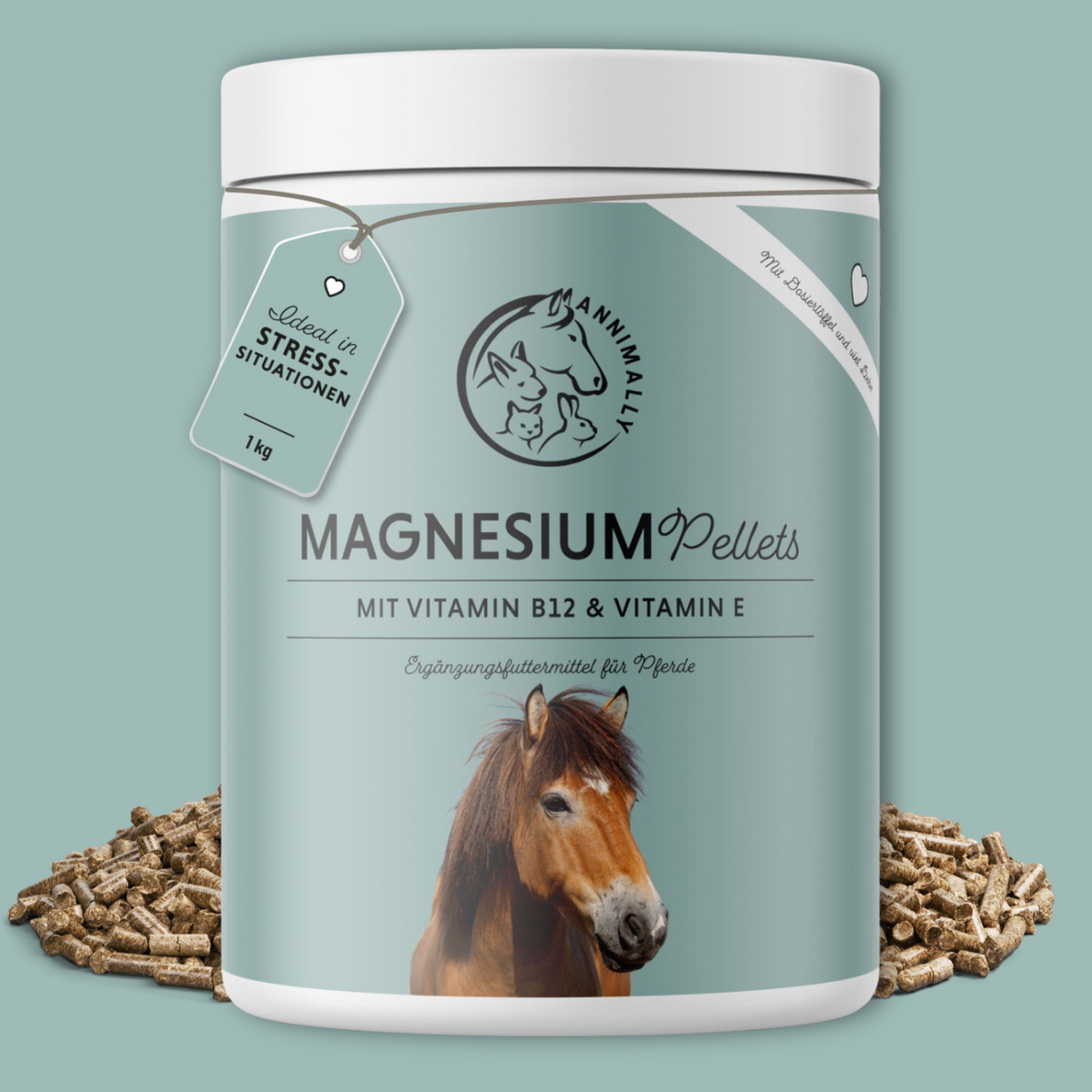
Often found in high-quality pellets or products
3. Other forms
-
Magnesium citrate or lactate: also highly bioavailable, but often more expensive
-
Combinations of several forms can increase effectiveness
The choice of the right form therefore depends on whether you want to compensate for an acute magnesium deficiency or aim for a long-term supply of magnesium.
Correctly supplementing magnesium for your horse – what you should pay attention to
When feeding magnesium, you should consider the following:
-
The daily amount should be tailored to body weight and workload
-
On average, horses require approx. 10–15 g of magnesium per day
-
A combination with vitamin E and vitamin B12 is recommended
-
Pay attention to a low sugar content in the products
-
Regularly check the levels in the feed, especially for hay and pasture grass
There are many types of supplementary feeds – from pure magnesium preparations to mixed mineral feeds to specially developed anti-doping products. The latter is important if you use your horse in tournament sports – here you should definitely ensure doping-free availability.
Conclusion: Magnesium for horses – more than just a mineral
Magnesium is far more than a simple component of the mineral balance. It decisively influences the nervousness, muscle function, behavior, and general performance of your horse. Especially during stress phases, with a lot of training, or with symptoms such as muscle tremors or sudden anxiety, you should consider a possible under-supply.
A targeted supplement – tailored to the individual needs of your horse – can help to mitigate stress reactions, stabilize the nerves, and strengthen the nervous system in the long term.
Don't forget: A good supply of magnesium is an important building block for health, well-being, and vitality – and that applies not only to humans but also to our beloved horses.