


Wheat semolina bran for horses – Interesting facts about this underrated feed
If you are intensively involved with horse feeding, you will sooner or later come across various feedstuffs that are considered by-products of grain processing. One of these is wheat middlings – a term that may not be as well-known as oats, barley, or traditional wheat bran, but can certainly play an interesting role in the nutrition of horses.
In this article, you will learn what wheat middlings for horses are all about, which nutrients they provide, what their effects are, and how you can correctly integrate them into the feeding ration. In doing so, we will also take a look at health aspects such as colic, gastritis, or even laminitis, which can be specifically influenced by the right feeding.
What are wheat middlings anyway?
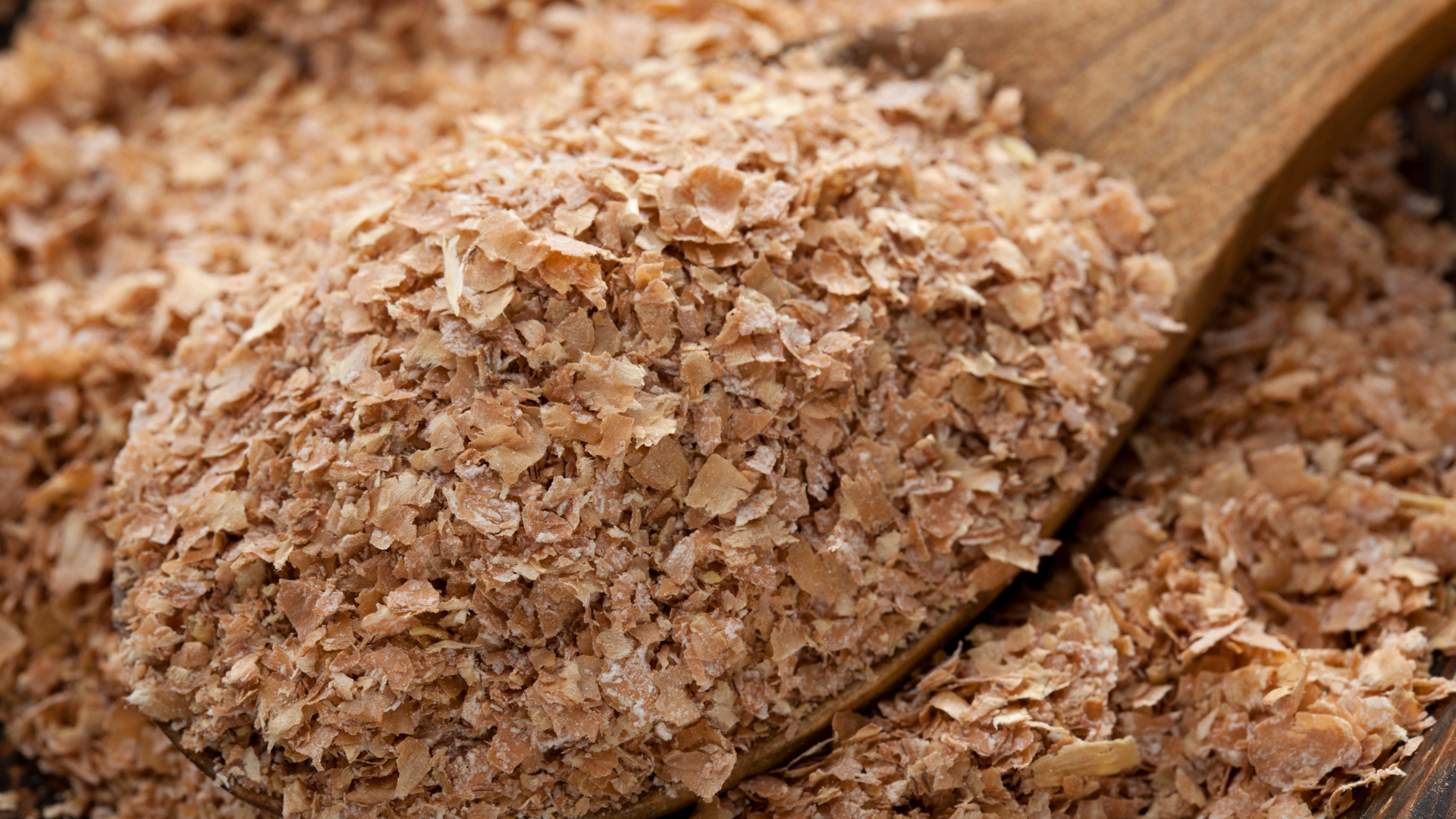
Wheat middlings are a by-product of industrial grain processing, more precisely from the processing of wheat into flour. A residual product remains, consisting of fine portions of the endosperm, the bran, the aleurone layer, and other components of the wheat grain.
In contrast to classic wheat bran, which consists primarily of the outer layers of the grain, wheat middlings also contain a higher proportion of starch and energy-providing components.
This mixture makes them an attractive feed for many horses, especially as a supplement to structured roughage and other additions such as flaxseed, mash, or mineral feed.
The ingredients of wheat middlings
What makes wheat middlings so special? Here is an overview of the most important ingredients:
-
Starch: Provides quickly available energy, though it should be fed in moderation
-
Crude fiber: Lower crude fiber content than classic wheat bran, but more digestible
-
Protein: Contains important amino acids such as methionine and lysine
-
Minerals: Relatively high magnesium and phosphorus content
-
Dietary fiber: Supports digestion, provided the amount is correct
This combination is particularly useful when your horse has an increased need for energy – for example during work, illness, or while recovering from a period of weakness.
Wheat middlings as part of the feed ration – when is it useful?
Not every horse needs wheat middlings – the decision depends heavily on the condition of your animal and the composition of the rest of the horse feed. Here are a few reasons why you might consider wheat middlings:
-
Increase energy supply without feeding too much fat
-
Supplement for underweight horses or during conditioning training
-
Support for a sensitive stomach
-
Low-structure concentrate feed, if coarse components are difficult to ingest
Important: The digestibility of wheat middlings is higher than that of pure wheat bran, but not comparable to the whole wheat grain. Therefore, it should always only be a portion of the feed ration – not a complete substitute for hay, oats, or other base feeds.
Tips for horse feeding – how to use wheat middlings correctly
If you want to use wheat middlings, you should consider the following information:
-
Feeding amount: As a rough rule of thumb, you can use approx. 0.2–0.5 kg daily for a large horse.
-
Sources: Pay attention to high-quality origins. Wheat middlings are often contained in mash mixtures.
-
Water intake: Must be soaked in water, as dry bran can swell.
-
Combinations: Ideal with mineral feed or structure-rich feed such as hay cobs.
-
Supplement: Use specifically when there is an increased need or to promote digestion.
Wheat middlings vs. other feedstuffs – a comparison
|
Feedstuff |
Energy content |
Crude fiber content |
Suitability for horses |
|---|---|---|---|
|
Wheat middlings |
Medium |
Low |
Supplementary |
|
Wheat bran |
Low |
High |
Digestion-promoting |
|
Oats |
High |
Medium |
Classic concentrate |
|
Barley |
High |
Low |
Energy-focused |
|
Flaxseed |
Medium |
High |
For skin & stomach |
|
Mash |
Variable |
High |
Regeneration & digestion |
In contrast to many concentrate feeds, wheat middlings are well-tolerated – provided the rest of the feed ration fits. However, you should be careful with sensitive horses prone to colic or gastritis and consult an expert if necessary.
Which horses benefit in particular?
Not every horse needs wheat middlings, but in certain cases, they can be very helpful:
-
Seniors with chewing problems
-
Horses building muscle/weight after illness
-
Horses with low physical condition
-
Horses in convalescence
-
Horses with a weak digestive tract
But: In cases of conditions like laminitis or high starch content in the rest of the feed, you should avoid wheat middlings or use them only very cautiously.
Conclusion: Wheat middlings – underestimated feed with potential
Wheat middlings are an interesting, but often underestimated feed in horse nutrition. As a by-product of grain processing, they provide valuable nutrients, support digestion, and can be a useful supplement for many horses – especially if you pay close attention to need, digestibility, and composition.
Use this information to find the right place for wheat middlings in the feed ration – and remember: no feed replaces a good base feed in horse nutrition, such as hay or grass. But when combined well, wheat middlings can offer real added value – and contribute to the health and performance of your horse.