

Cushing in horses: causes, symptoms, diagnosis and tips for optimal care
Equine Cushing's Disease (ECS) is a widespread but often underestimated condition in horses that primarily affects older animals. It leads to an overproduction of the hormone cortisol, which can result in a multitude of health problems. In this comprehensive article, you will learn everything you need to know about Cushing's in horses, from the causes and symptoms to diagnosis and practical tips for the care and management of your affected horse.
What is Equine Cushing's Disease?
Equine Cushing's Disease, also known as Pituitary Pars Intermedia Dysfunction (PPID), is a chronic disorder of the pituitary gland in horses. This gland is responsible for regulating numerous hormones that control essential bodily functions. Cushing's syndrome involves a degeneration of dopaminergic neurons in the hypothalamus, resulting in the uncontrolled release of hormones. The hormone ACTH (adrenocorticotropic hormone), which stimulates the adrenal glands to produce cortisol, is particularly affected.
Cortisol is a stress hormone that is vital in small amounts but can be harmful to health in large quantities. An excess of cortisol can lead to diverse problems, ranging from metabolic disorders to an increased susceptibility to infections.
Causes of Equine Cushing's Disease in Horses
The exact causes of Cushing's disease are not yet fully understood. It is believed that a degeneration of neurons that produce dopamine plays a central role. Dopamine normally acts as an inhibitor for the release of ACTH. If this inhibition fails, ACTH levels rise uncontrollably, which in turn stimulates the adrenal glands to increase cortisol production.
Some factors that may contribute to the development of Cushing's are:
-
Age: The risk of developing Cushing's increases with the age of the horse. Horses aged 15 and older are particularly at risk.
-
Genetics: There is evidence that genetic factors may play a role. Some horse breeds seem more susceptible to Cushing's than others.
-
Previous illnesses: Diseases affecting the metabolism or immune system can promote the development of Cushing's.
Symptoms of Cushing's in Horses
The symptoms of Equine Cushing's Disease are varied and can start insidiously. Because the disease is chronic, symptoms often increase over time and can significantly impair the horse's quality of life. Here are the most common signs you should look out for:
-
Long, curly coat (hirsutism): A classic symptom of Cushing's is a coat change that either does not occur or is incomplete. The coat remains long, often curly, and is not fully shed even in summer.
-
Muscle wasting and potbelly: Horses with Cushing's often show significant muscle wasting, especially over the back and croup. This leads to a characteristic potbelly.
-
Chronic laminitis: Another serious symptom is laminitis, an inflammation of the hoof laminae, which can recur and is difficult to treat.
-
Increased drinking and urination (polydipsia and polyuria): Increased drinking behavior and frequent urination are common signs of Cushing's.
-
Weakness and reduced performance: Affected horses often appear lethargic and lose energy and stamina.
-
Increased susceptibility to infections: The immune system of a horse with Cushing's is weakened, leading to an increased susceptibility to infections, particularly skin infections.
-
Weight loss despite a good appetite: Despite a normal or even increased appetite, weight loss can occur.
-
Irritability and behavioral changes: Some horses show behavioral changes, such as increased irritability or apathy.
The Importance of Early Detection
Early detection of Cushing's is crucial to slowing the progression of the disease and improving your horse's quality of life. Since symptoms often appear gradually and are initially non-specific, Cushing's is frequently diagnosed late.
Especially with older horses, you should regularly watch for signs of the disease and not hesitate to consult your veterinarian if you suspect it. An early diagnosis allows for targeted therapy, which can significantly improve your horse's life.
Diagnosis of Equine Cushing's Disease
Cushing's disease is usually diagnosed through a combination of clinical examination and specific blood tests. In particular, the ACTH level in the blood is measured, which is elevated in horses with Cushing's.
Common diagnostic methods include:
-
ACTH blood test: The ACTH level is measured in the blood. An elevated ACTH value indicates Cushing's disease.
-
Dexamethasone suppression test: In this test, the horse is given dexamethasone, a synthetic corticosteroid. In healthy horses, this leads to a decrease in blood cortisol levels, whereas this effect does not occur in horses with Cushing's.
-
TRH stimulation test: This test measures the pituitary gland's response to the administration of TRH (thyrotropin-releasing hormone). In horses with Cushing's, the response to TRH is heightened, leading to an increase in ACTH levels.
The choice of test depends on various factors, including test availability and the individual symptoms of the horse with Cushing's. It is important that the diagnosis is made by an experienced veterinarian to ensure accurate assessment and appropriate treatment.
Treatment of Cushing's Disease
A complete cure for Cushing's disease is not yet possible, but the symptoms can be significantly alleviated through targeted therapy and the progression of the disease slowed down. Treatment is usually carried out through a combination of medication, adjusted feeding, and management measures.
-
Medical therapy: The most commonly used medication for treating Cushing's is pergolide, a dopamine agonist that inhibits ACTH production. Pergolide can effectively alleviate symptoms and improve the horse's quality of life. The dosage must be adjusted individually and requires regular veterinary monitoring.
-
Adjusted feeding: Since horses with Cushing's disease often suffer from insulin resistance, a low-carbohydrate diet is important. Avoid sugar- and starch-rich feed and rely instead on forage like hay and feed specifically developed for horses with Cushing's.
-
Regular exercise: Exercise helps to slow muscle breakdown and promote the general health of the horse. However, adapt the training program to your horse's state of health to avoid overloading them.
-
Hoof care: Because horses with Cushing's have an increased risk of laminitis, careful and regular hoof care is essential. Have your horse's hooves checked and cared for regularly by an experienced farrier.
-
Regular veterinary check-ups: Monitoring the medication and the health development of your horse through regular veterinary examinations is crucial to ensure the success of the therapy and make any necessary adjustments.
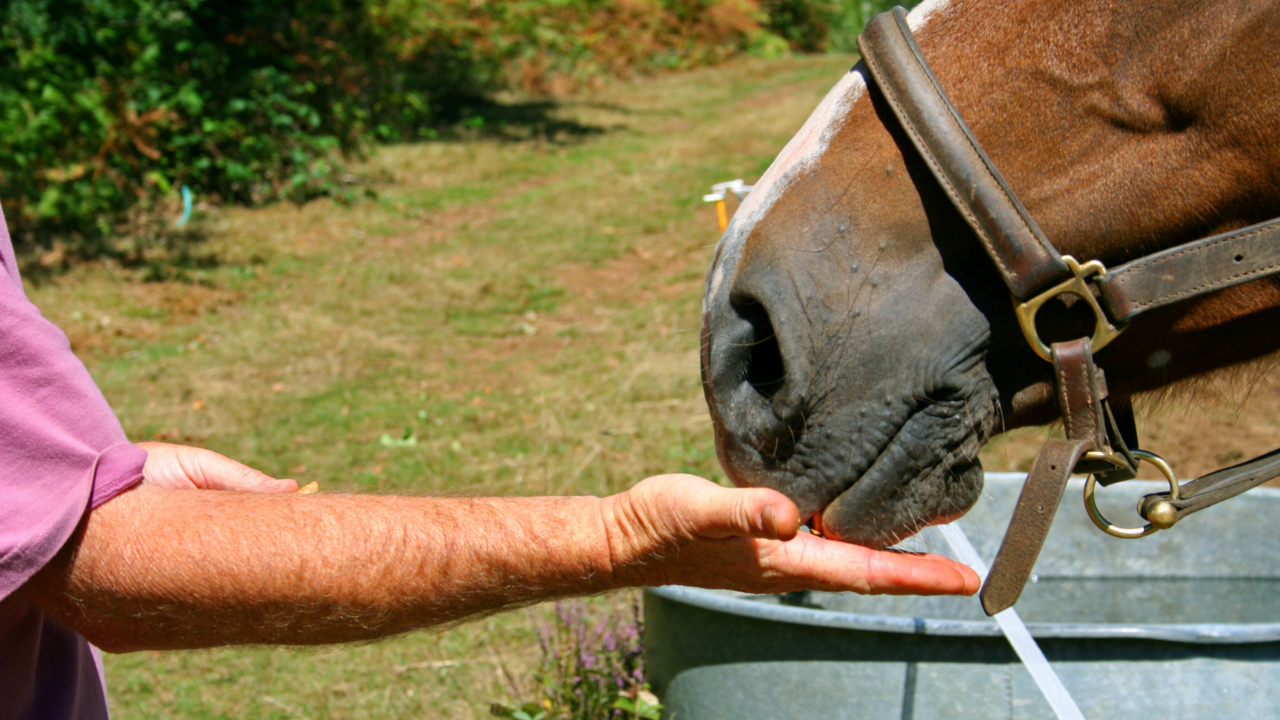
Adjusted Feeding for Horses with Cushing's
Feeding plays a central role in the management of horses with Cushing's. Since these horses often suffer from insulin resistance, a diet is required that keeps blood sugar levels stable and minimizes the risk of laminitis.
-
Forage: Hay should form the basis of the diet. Make sure to feed high-quality hay that is low in sugar and starch. In some cases, it may make sense to soak the hay to further reduce the sugar content.
-
Concentrate feed: If concentrate feed is necessary, choose a feed specially developed for horses with Cushing's that contains little starch and sugar. Many feed manufacturers offer appropriate products.
-
Oils and fatty acids: To provide energy, feeding oils or high-fat supplements such as linseed oil can be used. These provide energy without significantly affecting blood sugar levels.
-
Vitamins and minerals: Since horses with Cushing's often suffer from reduced nutrient absorption, the administration of a high-quality mineral supplement is sensible. Ensure that the supplement contains the necessary vitamins and trace elements in sufficient quantities.
-
Treats and snacks: Avoid sugary treats and snacks. If you want to give your horse a treat, unsweetened carrot pieces or specially developed Cushing-friendly treats are suitable.
The Role of Exercise and Training
Regular exercise is essential for the well-being of a horse with Cushing's. Exercise helps to slow muscle breakdown, promote circulation, and support the metabolism. However, training must be adapted to the horse's health condition to avoid overexertion.
-
Light exercise: Start with light training sessions, such as walks or easy trotting rounds, that do not cause overexertion.
-
Targeted muscle building: Exercises that promote muscle building are particularly important. These include ground work, gymnastic exercises, and targeted stretching.
-
Regular breaks: Make sure to give your horse regular breaks, especially in hot weather or after intensive sessions.
-
Adaptation to health condition: Observe your horse closely and adjust the training program if there are signs of fatigue, being overwhelmed, or health problems. Work closely with your veterinarian to develop the optimal exercise program for your horse.
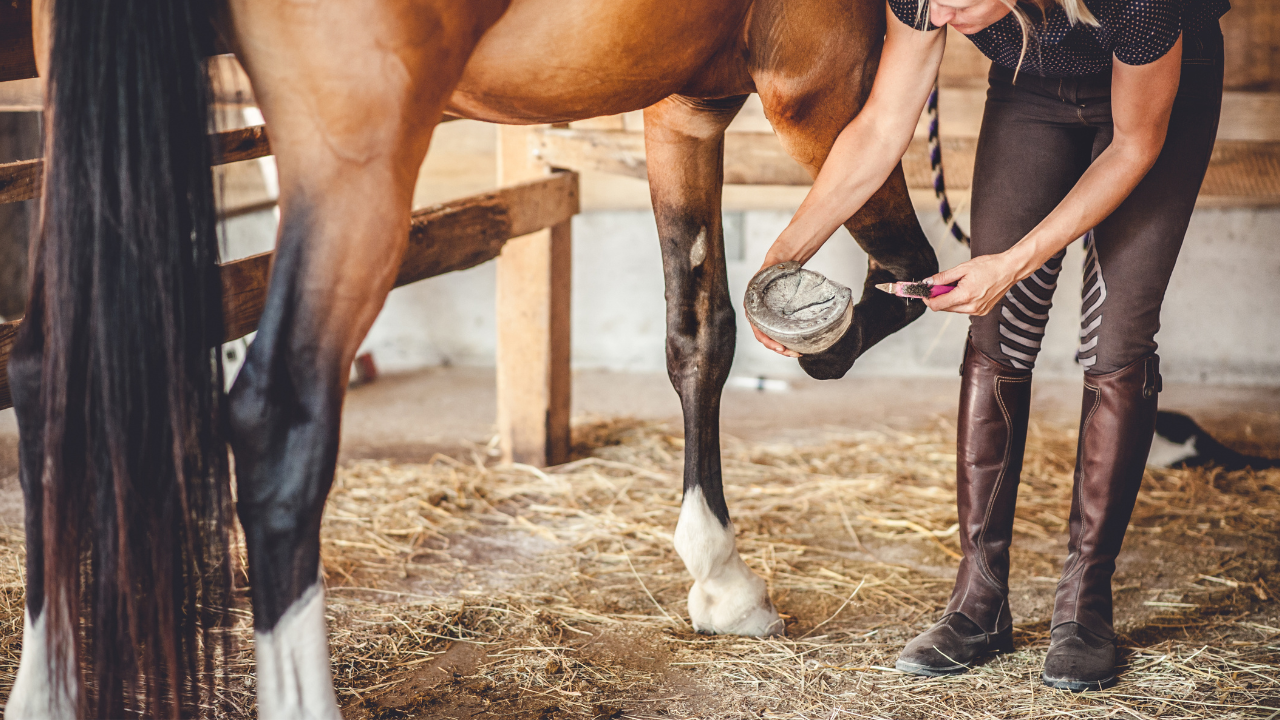
Hoof Care and Laminitis Prevention
Horses with Cushing's are particularly prone to laminitis, a painful and often serious disease of the hoof laminae. Proper hoof care and preventive measures are therefore essential.
-
Regular hoof care: Have your horse's hooves checked and trimmed regularly by an experienced farrier. Good hoof care can help to minimize the risk of laminitis.
-
Adapted hoof trimming/shoeing: In some cases, specialized farriery can be useful to reduce the load on the hooves and support the healing process in the case of existing laminitis.
-
Monitoring diet: A low-carbohydrate diet is a key component in reducing the risk of laminitis. Avoid feed that is rich in sugar and starch.
-
Keep an eye on body weight: A healthy body weight is crucial to minimize the load on the hooves. Being overweight significantly increases the risk of laminitis.
Dealing with Behavioral Changes and Psychological Stress
Cushing's disease can have not only physical but also psychological effects on your horse. Many affected horses show behavioral changes such as increased irritability, apathy, or even depressive symptoms. It is important to recognize these changes and react appropriately.
-
Patience and understanding: Your horse may be more irritable or show unexpected reactions. Treat these changes with patience and empathy.
-
Maintain routine: Horses are creatures of habit, and a fixed routine can provide them with security and stability. Try to keep the daily schedule as predictable as possible.
-
Avoid stress: Reduce stressors in your horse's environment by avoiding loud noises, frequent changes of location, or excessive demands.
-
Cooperation with the veterinarian: If your horse shows behavioral changes that do not improve with management measures, consult your veterinarian. In some cases, an adjustment in medication or additional therapeutic measures may be necessary.
Tips for the Long-Term Care of a Horse with Cushing's
Caring for a horse with Cushing's requires long-term commitment and comprehensive care. With the right measures, however, you can significantly improve your horse's quality of life.
-
Long-term planning: Cushing's in horses is a chronic disease that requires lifelong attention. Create a long-term care plan that includes regular medication, feeding, exercise, and veterinary check-ups.
-
Continuing education and information: Stay up to date regularly on new findings and treatment options. Exchanging ideas with other horse owners and experts can also offer valuable tips and support.
-
Dealing with setbacks: Even with the best care for your horse, setbacks can occur. Be prepared for this and react flexibly to changes in your horse's health condition.
-
Emotional support: Caring for a chronically ill horse can be emotionally taxing. Seek support from friends, online forums, or support groups for horse owners.
Living with a horse with Cushing's: A personal account
Many horse owners initially face a major challenge when they receive a Cushing's diagnosis. However, with the right mindset and appropriate measures, it is possible for your horse to lead a fulfilling and happy life despite this condition.
One example is Bella, a 20-year-old mare who was diagnosed with Cushing's syndrome five years ago. Initially, there was great concern, but with adjusted feeding, regular exercise, and medication therapy, Bella's condition has stabilized. Today, she still enjoys long rides and is full of vitality despite her illness.
Conclusion on Equine Cushing's Syndrome in horses
Equine Cushing's syndrome is a serious condition in horses, but it can be well-managed with the right diagnosis and treatment. It is important that you recognize the symptoms in your horse early on, consult an experienced veterinarian, and adapt the care and management of your horse to its specific needs.
With patience, knowledge, and the right support, you can enable your horse to have a long and fulfilling life, despite the challenges that Cushing's syndrome brings. Ensure a balanced diet, regular exercise, and veterinary check-ups to guarantee the best possible quality of life for your horse.