

Diarrhea in horses: A comprehensive guide to causes, symptoms and treatment
As a horse owner, it is crucial to keep a close eye on the health of your horse or horses. A common but often underestimated digestive disorder that can significantly impair both your horse's well-being and its quality of life is what is known as "fecal water syndrome" (Kotwasser). Fecal water in horses is a condition of great importance to equine health experts and horse owners alike.
In this detailed guide, we will delve deeply into the topic of fecal water and provide comprehensive information on the causes, symptoms, diagnoses, and treatment options for fecal water in horses. The following sections are not only based on proven sources but also integrate supplementary content to provide you with the most complete overview possible of how you can recognize and treat fecal water in your horse.
What is fecal water in horses?
Fecal water describes a condition in which the horse passes highly liquefied feces. This condition is more than just occasional diarrhea. Fecal water in horses represents a chronic problem characterized by watery or slimy feces. Unlike acute diarrhea, fecal water often occurs over a longer period and can vary greatly in intensity. It can appear in phases or be persistent. A horse suffering from fecal water can experience significant health impairments. Common consequences of fecal water and chronic diarrhea include nutrient deficiency and dehydration, which can severely affect the horse's general well-being. Both fecal water and recurrent diarrhea require special attention to protect the animal's health and prevent long-term damage.
Symptoms of fecal water in horses
To effectively treat fecal water in your horse, it is important to recognize the symptoms:
-
Liquid or slimy feces: The feces have a highly liquefied or slimy consistency. This is often a clear indication of digestive disorders.
-
Increased frequency of defecation: The horse has more frequent bowel movements than normal. Feces are passed at shorter intervals than usual.
-
Weight problems: Persistent fecal water can lead to weight loss, as the horse may not be able to properly absorb nutrients.
-
Behavioral changes: Due to discomfort, the horse may become irritable or restless. Behavioral changes can often be an indicator of health problems.
Causes of fecal water in horses
The causes of fecal water are diverse and can include both feeding-related and health-related factors. Here are the most common causes in detail:
1. Feeding problems
Change in feed
A sudden change in the feed ration can strain the horse's digestive tract. Horses are naturally sensitive to sudden changes in their diet. A gradual transition is therefore important to avoid digestive disorders. Studies show that slowly adjusting feed can help minimize the risk of fecal water.
Feed quality
Feed quality has a significant impact on digestive health. Feed that is poorly stored or of inferior quality can cause digestive problems. The most common issues include mold or high levels of sugar and starch, which can irritate the digestive tract. High-quality feed ensures a balanced supply of nutrients and can help avoid digestive problems.
Concentrate overload
An excessive proportion of concentrate feed can irritate the digestive tract. Concentrates with high sugar or starch content in particular can cause digestive disturbances. It is important to structure feeding to meet the horse's needs and limit the proportion of concentrates to an appropriate level.
2. Lack of roughage
Roughage such as hay or straw is crucial for the digestive health of horses. It promotes the formation of fecal balls and ensures even digestion. A lack of sufficient roughage can lead to irregular digestive processes and thus to fecal water. Roughage also contributes to the stabilization of the gut flora, which is of great importance for digestive health.
3. Stress in the horse
Horses are very sensitive to stress, and this can negatively affect the digestive system. Changes in the environment, new herd mates, or changes in daily routines can cause stress and lead to fecal water. Stress management is therefore an important aspect of horse care. Studies show that stress can lead to an increased secretion of stress hormones, which in turn influence digestion.
4. Infections and parasites
Bacterial infections
Bacterial infections such as those caused by Clostridia are known causes of fecal water. These bacteria can cause severe digestive disturbances and often require targeted antibiotic therapy. It is important to identify these infections quickly and treat them accordingly.
Parasitic infestation
Worm infestation is another common cause of digestive problems in horses. Parasites can significantly disrupt digestion and lead to fecal water. Regular deworming is therefore crucial for the horse's health. Proper deworming schedules and regular checks are necessary to prevent parasitic infestation.
5. Diseases of the digestive tract
Colic
Colic refers to painful digestive disorders that can occur in horses. They can be caused by blockages, cramps, or other problems in the digestive tract. Fecal water can be a symptom of colic, and it is important to seek veterinary help immediately if there are signs of colic.
Gastric ulcers
Gastric ulcers are a serious condition that can cause digestive problems. They can lead to fecal water and require special treatment. The treatment of gastric ulcers may include medication to reduce stomach acid production and dietary adjustments.
Diagnosis of fecal water in horses
The diagnosis of fecal water is made through a combination of medical history (anamnesis), physical examination, and laboratory tests. Here are the essential steps in detail:
1. Medical history
The veterinarian will first conduct a comprehensive anamnesis. This includes questions about feeding, housing, possible changes in the horse's environment, and previous health. A detailed medical history helps to identify possible causes for the fecal water and investigate them in a targeted manner.
2. Physical examination of your horse
A thorough physical examination of the horse can provide additional clues to potential health problems. The vet will examine the horse for signs of discomfort, pain, or other abnormal symptoms. This can also include checking the general state of health and vital signs.
3. Laboratory tests
Fecal samples from the horse are often sent for analysis to detect possible parasites, bacteria, or other abnormalities. Blood tests can also be helpful in making a comprehensive diagnosis. Laboratory tests can provide accurate information about the horse's state of health.
Treatment options for fecal water in horses
The treatment of fecal water depends on the underlying cause and can include various approaches. Here are the most common treatment strategies for fecal water:
1. Dietary adjustments
Gradual feed transition for the horse
A gradual change in feed is crucial to avoid overwhelming the horse's digestive tract. This helps to prevent digestive disturbances and minimize the risk of fecal water. It is advisable to make changes to the feeding plan over a period of at least 7-10 days.
High-quality feed
Ensure your horse receives high-quality feed. Avoid feed that has been improperly stored or contains inferior ingredients. High-quality feed helps maintain healthy digestion and can help prevent fecal water.
Increasing the roughage proportion
Make sure your horse receives enough roughage. Roughage like hay or straw is essential for healthy digestion and helps minimize the risk of fecal water. The roughage portion should be at least 1-1.5% of the horse's body weight.
2. Stress management
Stable environment
Reduce stress factors by creating a stable and calm environment for your horse. Stress can affect digestion and lead to fecal water. A familiar environment and regular routines help to lower your horse's stress level.
Sufficient exercise
Regular exercise is important for your horse's overall health and can help reduce stress. A daily exercise session, such as riding or free movement, supports not only physical fitness but also digestive health.
3. Medication for fecal water
If a bacterial infection or parasite infestation is the cause, antibiotics or deworming agents may be necessary. These should only be administered after consultation with a veterinarian to ensure the correct dosage and duration of treatment. It is important to administer all medications according to the veterinarian's recommendations to ensure complete recovery.
4. Probiotics and prebiotics
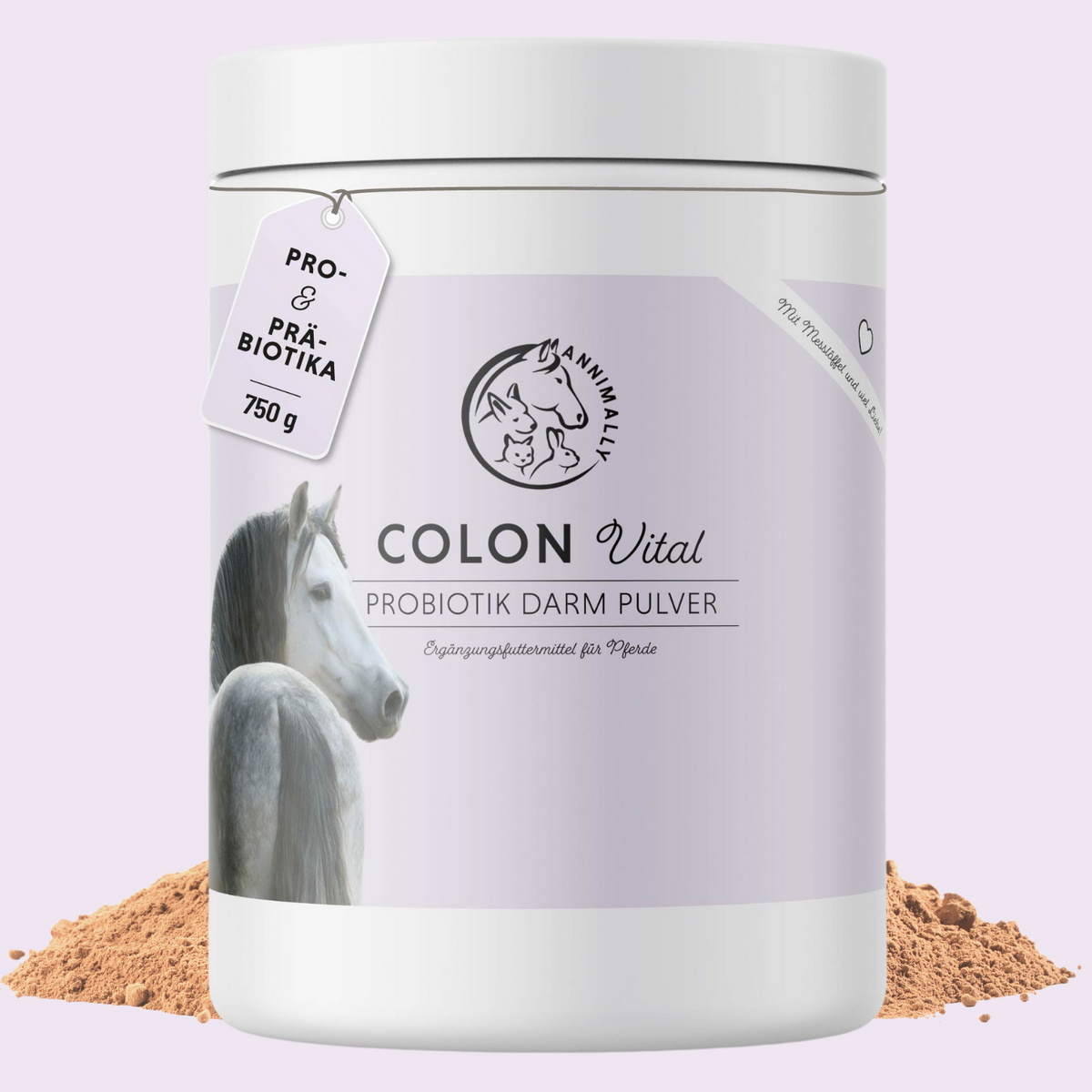
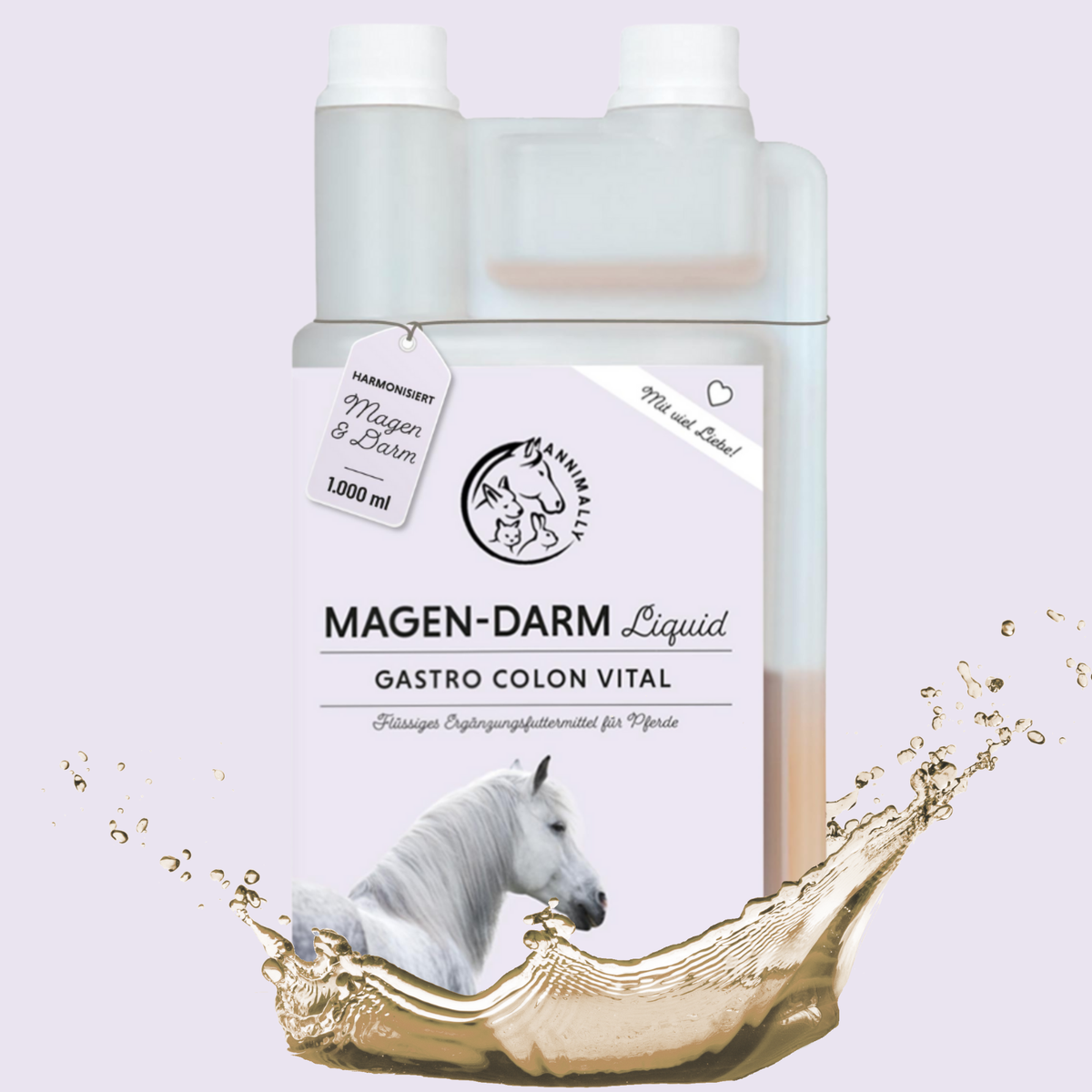
Probiotic and prebiotic supplements can help support digestive health and restore the balance of the gut flora. These supplements promote the growth of healthy gut bacteria and contribute to stabilizing the gut flora, which effectively supports digestive processes. The regular administration of probiotics can help reduce the risk of fecal water by strengthening the gut flora and improving digestion. A healthy gut flora is crucial for the horse's general well-being and contributes significantly to preventing digestive disorders.
Prevention of fecal water in horses
Prevention is the key to avoiding fecal water. Here are some proven tips for prevention:
1. Stable feeding habits
Continuous feed ration
Avoid sudden changes in the feed ration and keep feeding times consistent. A steady and continuous feeding routine helps stabilize your horse's digestive tract and prevent digestive problems.
High roughage content
Ensure that your horse receives sufficient roughage. Roughage ensures healthy digestion and contributes to the formation of firm fecal balls. A high roughage content can help prevent fecal water and support digestive health.
2. Stress management
Stable housing
Avoid frequent changes in the stable or herd mates. A stable and familiar environment helps to reduce stress and support your horse's digestive health.
Regular exercise
Ensure your horse has sufficient opportunity for movement. Regular exercise helps to reduce stress and promotes healthy digestion. A daily exercise session is important for your horse's well-being.
3. Regular checks
Veterinary examinations
Have your horse examined regularly by a veterinarian to identify potential health problems early. Regular check-ups help to treat digestive disturbances and other health problems early on.
Deworming
Ensure regular deworming according to your veterinarian's recommendations. Regular deworming is important to minimize the risk of parasite infestation and digestive disturbances. A targeted deworming strategy contributes to maintaining your horse's health.
What to do if fecal water in horses persists?
If your horse's fecal water persists or worsens despite all measures, it is important to act quickly. Contact a veterinarian immediately to get a comprehensive examination and diagnosis. Your veterinarian will be able to rule out potential serious health problems and initiate appropriate therapy. It is important to observe all symptoms closely and provide the veterinarian with all relevant information.
Additional measures and considerations
In addition to the measures mentioned above, there are additional considerations you can take into account to support your horse's health:
1. Environmental hygiene
A clean and hygienic environment can help prevent digestive problems. Ensure that the stable and pasture are cleaned regularly to minimize the risk of infections and other health issues.
2. Monitoring water intake
Sufficient water intake is crucial for digestive health. Monitor whether your horse is drinking enough water and ensure that fresh and clean water is always available. Sufficient hydration supports digestion and can help avoid fecal water.
3. Observing changes in behavior
Observe your horse's behavior and general condition regularly. Changes in behavior, such as restlessness or loss of appetite, can indicate health problems and should not be ignored. Early detection of symptoms can help avoid serious health issues.
4. Collaboration with experts
Consult with feeding experts or nutritionists if necessary to develop a customized feeding strategy for your horse. Experts can help you find the optimal diet and feeding strategy to avoid fecal water and other digestive problems.
Conclusion on fecal water in horses
Fecal water syndrome in horses is a complex and often underestimated problem that can be traced back to a multitude of causes. The right diagnosis and appropriate solutions are crucial to ensure your animal's well-being and prevent serious health impairments. Fecal water does not only affect short-term digestion, but can have a lasting impact on the entire digestive system, especially the gut. It is more than just a temporary disturbance, as it is often associated with the loss of fluids and nutrients.
Firstly, the causes of fecal water are diverse and range from feed-related problems, such as a sudden change in feed or overloading with concentrate, to health and stress-related factors. A lack of high-quality roughage can be a significant issue, as horses rely on a high-fiber diet to keep their gut healthy. Stress caused by changes in the environment or inadequate sanitary conditions in the stable can also lead to fecal water. Bacterial infections, parasitic infestations, and other intestinal diseases can also trigger fecal water. Such problems require targeted solutions that address the individual needs of the horse.
Secondly, careful observation of the symptoms of fecal water is essential to intervene in a timely manner. Typical symptoms include watery or slimy manure, often accompanied by increased fluid, as well as an increased frequency of defecation and weight fluctuations. Behavioral changes such as restlessness or reduced interest in food can also indicate fecal water. Recognizing these symptoms early is crucial to prevent serious health impairments. A comprehensive examination can help determine the exact cause of the fecal water and find the appropriate solutions for the affected horse.
Thirdly, the treatment of fecal water should always be based on the underlying cause. If the fecal water was triggered by feeding errors or an unbalanced diet, it is necessary to adjust the feeding accordingly to relieve the gut. Stress management is also important, as stress-free horses are less susceptible to digestive problems. Should medical treatment be necessary, the use of probiotics can help to stabilize the disturbed intestinal flora and alleviate the symptoms. A healthy gut is crucial for the horse's well-being, and appropriate solutions such as an adjusted diet can help prevent fecal water in the long term.
Fourthly, the prevention of fecal water plays a central role in avoiding the occurrence of this digestive disorder in the future. A stable and balanced diet, rich in roughage, helps support gut health and minimize the risk of fecal water. Regular health check-ups help to identify potential problems early and take appropriate solutions before symptoms worsen. Stress reduction is also of great importance, as stress-free horses are less prone to fecal water and other digestive issues.
Finally, if fecal water persists or worsens despite all efforts, it is important to act quickly. In such cases, comprehensive solutions must be found to stabilize digestion and restore the horse's gut to balance. Support from experts may be necessary to begin appropriate therapy and sustainably improve the horse's digestion. Especially with persistent fluid loss, it must be ensured that the horse remains sufficiently hydrated.
Overall, managing fecal water in horses requires patience and careful observation of symptoms. Early diagnosis is crucial to prevent long-term damage to the gut and digestion. Through proactive solutions, such as adjusting the diet and reducing stress, you can improve your horse's well-being and effectively prevent fecal water. A healthy gut is vital for overall well-being, and through proper care and attention, you can ensure that your horse benefits from a stable digestive system and good health.