
The most important amino acids for horses: Important building blocks for muscles, health and performance
Amino acids play an essential role in equine nutrition and are crucial for muscle building, recovery, and the overall health of your horse. The essential amino acids lysine, methionine, and threonine, in particular, are indispensable for the horse's body.
But why are amino acids so important, and how can you ensure that your horse is optimally nourished? In this article, you will learn everything about proper application, requirements, and the best feed sources.
Why are amino acids so important for horses?
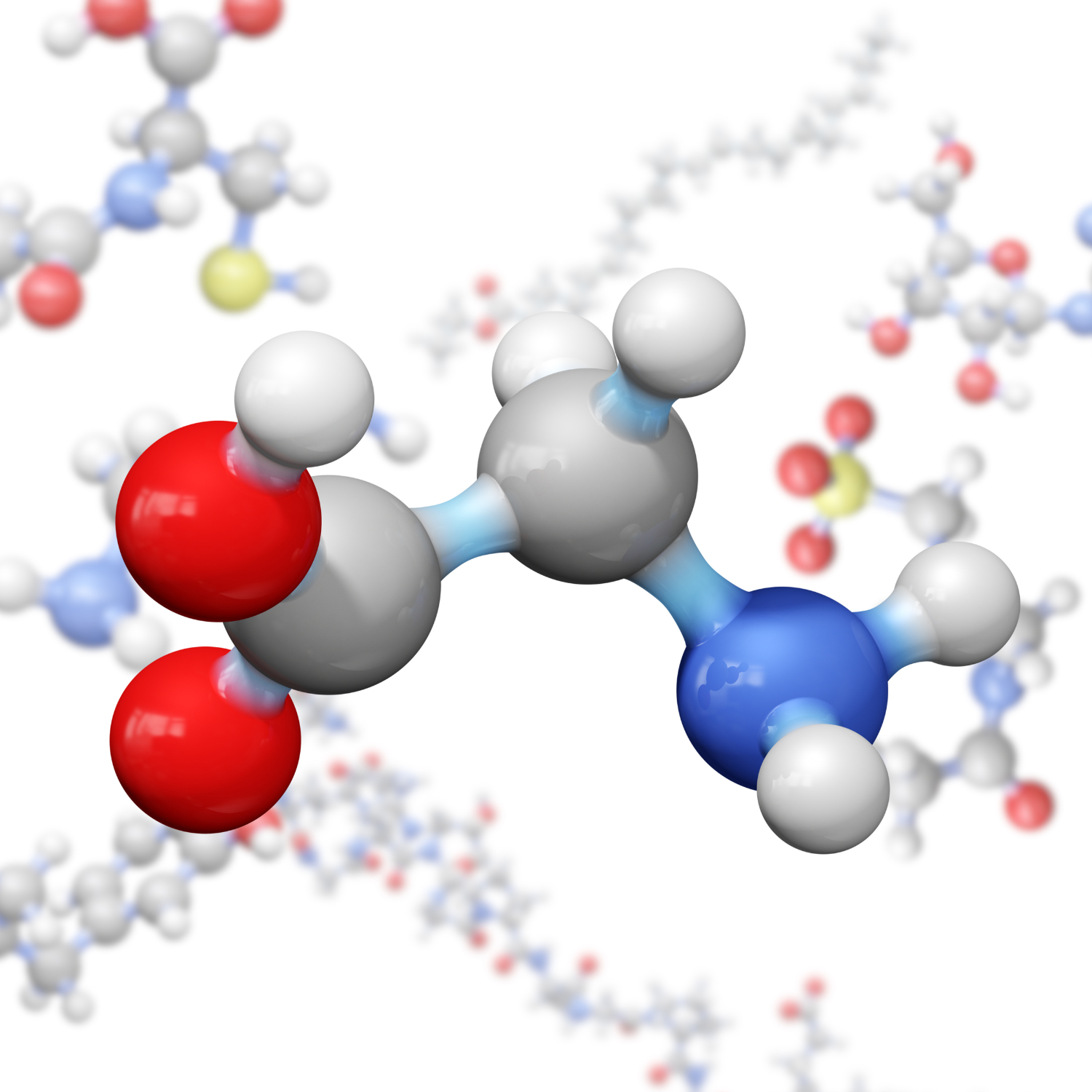
Amino acids are the building blocks of proteins and are therefore essential for the development and maintenance of muscle mass, skin, coat, hooves, and connective tissue. They also support the metabolism, the immune system, and many other bodily processes. Sport horses, foals, mares, or horses with health challenges such as EMS (Equine Metabolic Syndrome) in particular have an increased need for high-quality proteins and amino acids.
Furthermore, an adequate supply of amino acids contributes to the stabilization of blood sugar levels and promotes recovery after exertion.
Essential amino acids: Lysine, methionine, and threonine
Horses can produce some amino acids themselves, but essential amino acids must be obtained through their diet. The three most important are:
Lysine
Lysine is one of the most important amino acids for horses, as it is significantly responsible for muscle development and recovery after exertion. It plays a central role in the formation of proteins and is an essential component of connective tissue.
In addition, lysine supports the immune system and contributes to the production of hormones and enzymes. An adequate supply of lysine is crucial, especially during growth phases, pregnancy, or in intensely trained horses, to prevent deficiency symptoms and muscle loss.
Furthermore, lysine is essential for calcium absorption, which has a positive effect on bone health.
Methionine
Methionine is particularly important for the formation of keratin, the main component of coat, skin, and hooves. Horses with brittle hooves or a dull coat benefit especially from an increased intake of methionine.
Additionally, methionine supports the body's detoxification processes by relieving the liver during the excretion of toxins. Methionine is also essential for muscle formation, as it promotes the development and maintenance of muscle mass. Since horses cannot synthesize methionine themselves, this amino acid must be taken in through their diet.
High-quality dietary supplements often contain L-methionine, a highly bioavailable form that allows for rapid absorption in the body. Many of these supplements are also anti-doping tested, so they can be used for competition horses without concern.
Threonine
Threonine is indispensable for the metabolism and muscle development of horses. It plays an important role in protein utilization and ensures that consumed proteins are used efficiently.
Furthermore, threonine supports the mucous membranes in the gastrointestinal tract, which is particularly advantageous for horses with a sensitive digestive system. It contributes to the formation of immunoglobulins, which are necessary for a strong immune system. Threonine is also of great importance for the development and maintenance of strong bones.
L-threonine is an easily digestible form of this amino acid and is used in high-quality dietary supplements to ensure optimal supply.
Recognizing amino acid deficiency: Symptoms and consequences
A deficiency in essential amino acids can manifest in many ways and lead to long-term health impairments. Since amino acids are of great importance for the entire organism, deficits can negatively influence various body systems. The muscles, skin, coat, hooves, immune system, and metabolism are particularly affected.
Typical symptoms of an amino acid deficiency are:
-
Muscle loss despite adequate energy intake: Your horse is losing muscle mass despite receiving enough feed. This is particularly visible in the croup, back, and shoulder area.
-
Weak muscle development and reduced performance: Your horse has difficulty building muscle, appears weak, and shows reduced willingness to perform.
-
Brittle hooves and poor hoof growth: Since amino acids like methionine are involved in building stable hoof structures, a deficiency can lead to cracked, brittle, or slow-growing hooves.
-
Matte, dull coat and skin problems: A lackluster, brittle coat and dry, flaky skin can be signs of an amino acid deficiency.
-
Weakening of the immune system, increased susceptibility to infection: Amino acids are involved in the formation of immunoglobulins. A deficit can lead to your horse getting sick more often and recovering more slowly from infections.
-
Reduced ability to recover after athletic exertion: Your horse takes an unusually long time to recover after intense work or competitions.
-
Changed behavior: Some horses appear lethargic, tired, or show increased irritability.
A long-term deficiency in essential amino acids can have serious consequences. Muscle mass is increasingly broken down, which leads to performance losses and an increased risk of injury. Skin and coat lose their protective function, and bone health can also be impaired. In addition, a disrupted protein supply can throw the horse's entire metabolism off balance.
If you notice one or more of these symptoms in your horse, it is advisable to check the feed and, if necessary, integrate high-quality amino acid supplements into the diet plan. A targeted supply can help compensate for deficits and improve your horse's well-being in the long term.
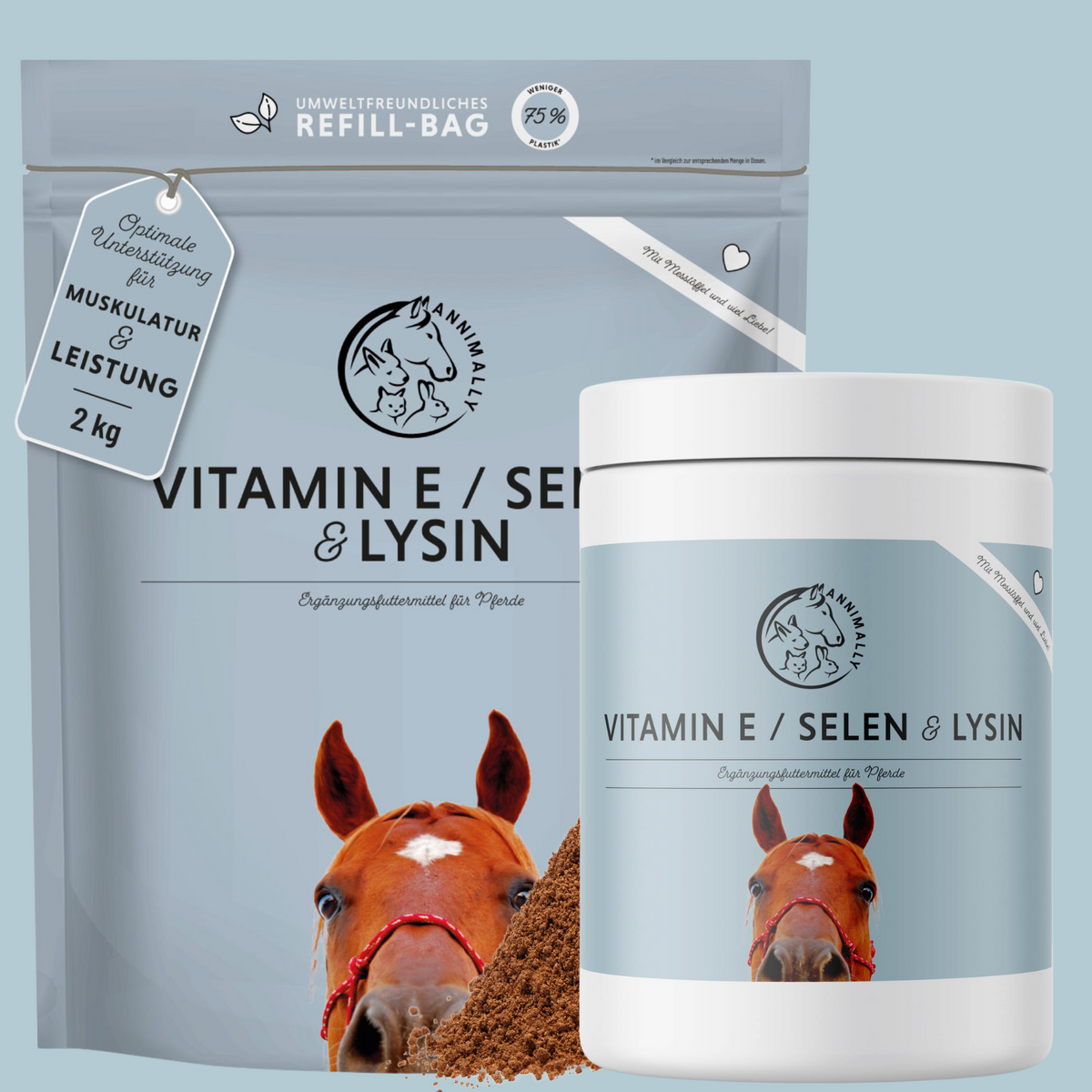
Take a look at our online shop! Our Muscle Power Powder for healthy musculature and long-term muscle building in your horse is packed with essential amino acids!
How do you optimally supply your horse with amino acids?
Since hay alone is often insufficient to cover the demand for amino acids, targeted feeding with protein-rich feed and high-quality supplements is sensible. Here are a few proven sources:
-
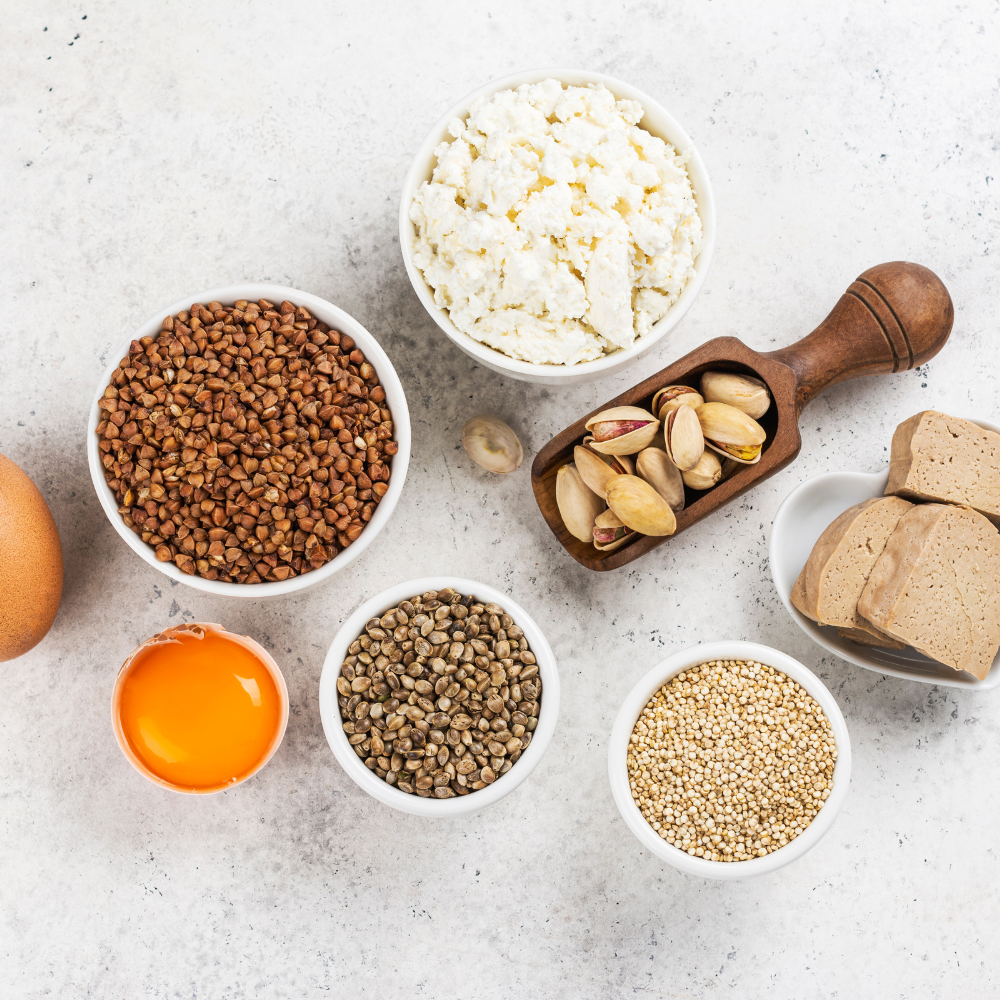
High-quality protein feed: Soy, alfalfa, linseed, and pea protein provide many essential amino acids and help maintain muscles.
-
Amino acid supplements: Contain targeted L-lysine, L-methionine, and L-threonine, which support the organism in muscle building and recovery.
-
Grain-free feed without added sugar: Ideal for horses with metabolic problems (e.g., EMS), as it keeps blood sugar levels stable and does not cause unnecessary energy peaks.
-
Minerals and calcium: Support the organism and bone development. An adequate calcium intake is particularly essential for young horses and mares during pregnancy.
-
Targeted protein sources in feed: In addition to amino acids, high-quality proteins provide other important components for muscle development and general health.
Dosage and application: What amount is sensible for your horse?
The optimal amount of amino acids depends on various factors, including your horse's weight, performance, and health status. An example for sport horses:
-
Lysine: 10-50 g per day
-
Methionine: 5-20 g per day
-
Threonine: 5-15 g per day
The exact feeding of essential amino acids should be adjusted individually, ideally in collaboration with a veterinarian or nutrition expert. The manufacturer of the dietary supplements can also provide specific recommendations for application and dosage.
Conclusion: Amino acids as the key to optimal equine nutrition
Amino acids are indispensable for the health, muscle development, and well-being of your horse. Lysine, methionine, and threonine, in particular, play a decisive role in protein supply and support numerous processes in the horse's body.
Through need-based feeding with high-quality proteins and targeted supplements, you can prevent deficiency symptoms and provide optimal support for your horse.