

Can dogs eat nuts? A comprehensive guide for dog owners
Many dog owners wonder if nuts could be a healthy addition to their dog's diet. Nuts are a valuable source of nutrients for humans, but which nuts can dogs eat? The answer is complex, as not all nuts are the same and some can even be toxic to dogs.
In this article, you will learn which nuts you can feed your dog, which nuts are dangerous, and the health risks that nuts generally pose for dogs.
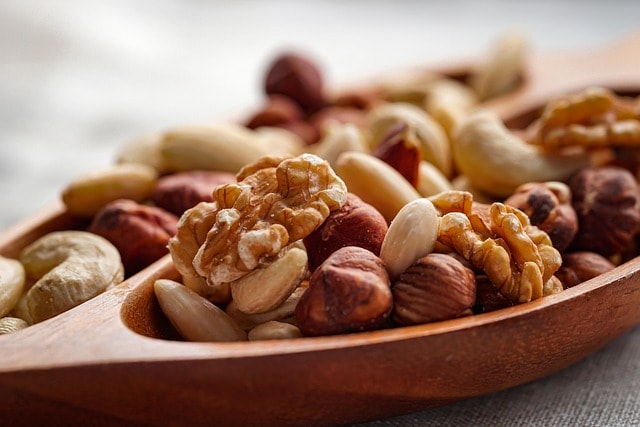
Nuts and dogs: A general overview
Nuts contain a variety of nutrients such as healthy fats, proteins, and minerals, which are extremely beneficial for humans. However, it is a different story for dogs. While some nuts can be harmless in small quantities, many other varieties carry significant risks. Some nuts can lead to serious health problems, ranging from digestive issues to fatal poisoning.
Unlike specially formulated dog food, which is designed to meet the needs of dogs, nuts often contain too much fat and inappropriate ingredients that can stress a dog's sensitive digestive system. Therefore, nuts should never take the place of dog food, as the latter is specifically designed to ensure a balanced and safe diet for dogs.
Which nuts are harmless for dogs?
Some nuts can be safely fed to dogs in very small quantities, provided they are unsalted and unseasoned. However, these nuts should always be given with caution, as even they can lead to problems if consumed in excess. Relatively safe nuts include:
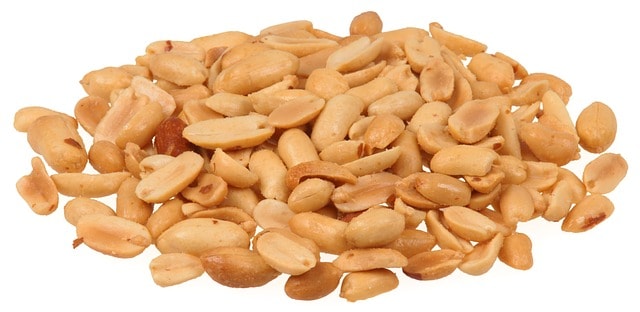
Peanuts – Permitted, but in moderation
Peanuts are one of the few nuts that dogs can tolerate in small amounts. They contain valuable proteins and healthy fats. However, make sure not to give your dog salted or roasted peanuts. Peanut butter without added sugar is also harmless in small amounts and is popular with many dogs. Ensure that it does not contain xylitol, as this sweetener is highly toxic to dogs.
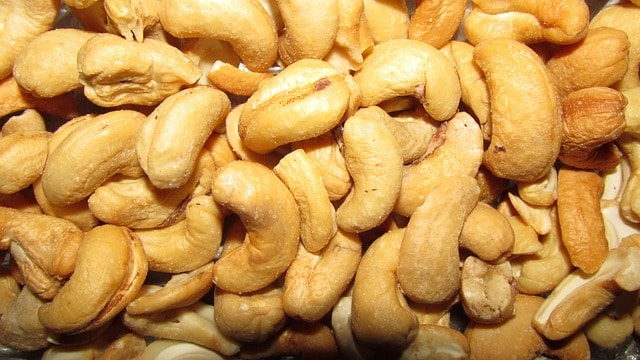
Cashews – Okay in small amounts
Cashews are another type of nut that is safe for your dog in small quantities. They contain less fat than other nuts and are rich in magnesium and potassium. This makes them a nutritious but calorie-dense treat that should only be fed occasionally.
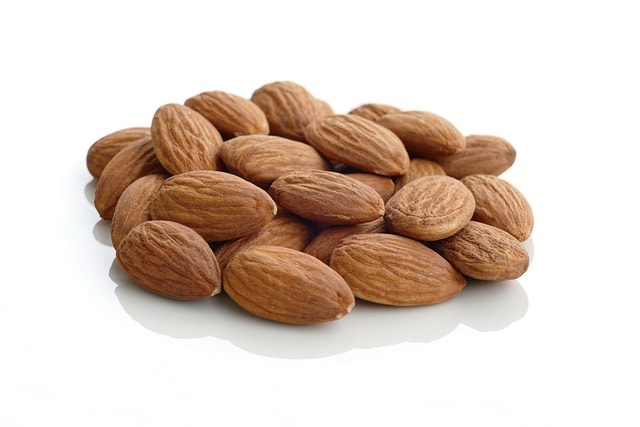
Almonds – Enjoy with caution
Although almonds are not directly toxic to dogs, their hard consistency can lead to digestive problems and a choking hazard, especially in smaller dogs. Furthermore, they contain many fats that can lead to diarrhea and vomiting if consumed in excess. It is best to keep almonds out of your dog's diet entirely.
Which types of nuts are dangerous for dogs?
While some nuts may be harmless to a dog in small quantities, there are certain nuts that dogs should definitely not eat. These nuts can cause severe health problems and are often dangerous even in small amounts.
Macadamia nuts – Highly toxic!
Macadamia nuts are among the most dangerous nuts for dogs. Even a few nuts can trigger severe symptoms such as vomiting, muscle weakness, tremors, and even fever. While the exact cause of macadamia nut toxicity in dogs is not fully understood, it is known that they affect the nervous system and can lead to muscle damage. If your dog has eaten macadamia nuts, you should consult a vet immediately.

Walnuts – A no-go for dogs
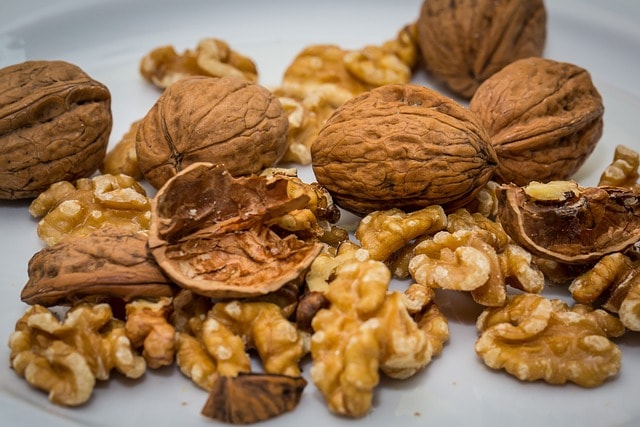
Walnuts should also be strictly avoided. They can cause gastrointestinal problems and, when moldy, contain toxins that are extremely poisonous to dogs. Moldy walnuts contain so-called mycotoxins, which can lead to tremors, seizures, and neurological disorders in dogs. Therefore, walnuts should never find their way into your dog's food bowl.
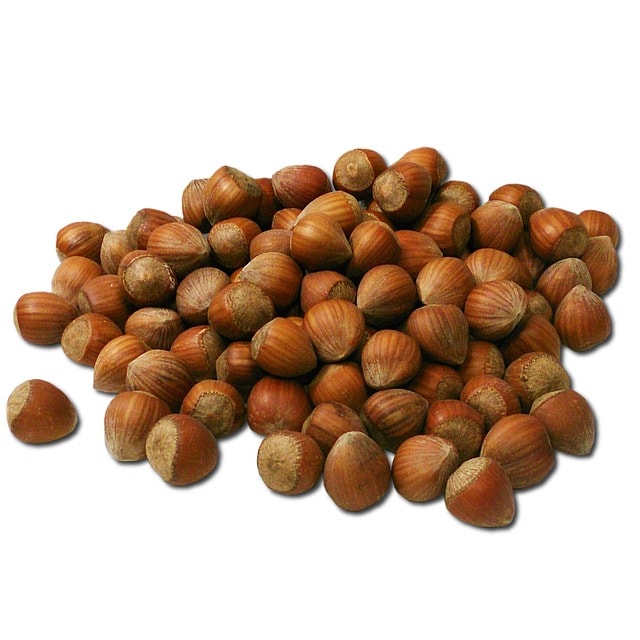
Can dogs eat hazelnuts?
Hazelnuts are a special case. While they are not poisonous like macadamia nuts or walnuts, they should still be avoided. The reason for this is that due to their hard consistency, hazelnuts can easily lead to intestinal obstructions, especially in smaller dogs. Additionally, like many other nuts, they have a high fat content that can lead to digestive problems and, in the worst case, pancreatitis (inflammation of the pancreas). Furthermore, some dogs may have an allergic reaction to hazelnuts, which can manifest as symptoms such as itching, skin rashes, or respiratory difficulties.
Why are nuts problematic?
Aside from the danger posed by toxic nuts, even "safe" nuts carry several risks. Here are the most common problems:
High fat content
Nuts are extremely high in fat, which may be beneficial for humans, but often leads to problems in dogs. A high fat content can cause vomiting, diarrhea, and in worse cases, pancreatitis. Pancreatitis is a painful and potentially life-threatening condition that should definitely be avoided.
Choking hazard and intestinal obstructions
Many nuts have a hard, round shape that dogs can easily swallow. In smaller dogs in particular, this can lead to an intestinal obstruction that can only be treated surgically. There is also the risk that your dog could choke on a nut, especially if it tends to gulp its food hastily.
Seasoned and salted nuts: Doubly dangerous
Seasoned or salted nuts should never be fed to dogs. Salt can lead to kidney problems, high blood pressure, and even salt poisoning in dogs. Spices such as onion or garlic powder, which are often found in seasoned nuts, are highly toxic to dogs.
What to do if your dog has eaten a toxic nut?
If your dog has accidentally eaten a toxic nut such as a macadamia nut or walnut, you should act immediately. Here are the first steps:
-
Stay calm – Panic does not help in this situation.
-
Observe symptoms – Watch for signs such as vomiting, tremors, muscle weakness, or restlessness.
-
Contact a veterinarian – Do not hesitate to call your vet or visit them directly. Quick action can save lives.
-
Attempt to induce vomiting – Some vets recommend inducing vomiting to remove the nut from the body as quickly as possible. However, you should only do this under veterinary guidance.
Conclusion: Should dogs eat nuts?
The question "Can dogs eat nuts?" cannot be answered with a blanket "yes" or "no," as it depends heavily on the specific type of nut. Some types of nuts like peanuts or cashews can be fed occasionally in small amounts as a treat, provided they are unsalted and unseasoned. They provide proteins and healthy fats that can be useful for dogs as well. Nevertheless, they should by no means become a regular part of your dog's diet, as there is a risk of gastrointestinal problems or even more serious illnesses such as pancreatitis.
On the other hand, there are types of nuts that are absolute taboos for dogs, such as macadamia nuts and walnuts. These nuts are not only difficult to digest but can also cause serious health problems in dogs, ranging from muscle cramps and vomiting to neurological issues. Macadamia nuts are even considered particularly toxic and can trigger serious poisoning even in small quantities.
Although hazelnuts are not directly toxic, they should also be avoided, as they can cause choking hazards and digestive problems in dogs. The high fat content of many nuts also makes them generally problematic for dogs, as it increases the risk of upset stomachs, diarrhea, or even more serious conditions.
For dog owners, it is therefore important to know the different types of nuts and their effects on dogs precisely. The safest decision is to remove nuts from your dog's diet entirely and resort to healthier alternatives such as fruit or special dog treats instead. Treats like carrots, apples, or commercially available dog treats are not only safer but also provide valuable nutrients without the health risks associated with nuts.
In summary: Even if some nut types can be harmless to a dog in small quantities, the risk is greater than the benefit in most cases. The question "Can dogs eat nuts?" should therefore usually be answered with "no" in the interest of your dog's health. In case of doubt, a veterinarian should always be consulted before giving your dog new food to ensure it is suitable and safe for your dog and for canine nutrition.