

Dog constantly shakes its head: causes, measures and tips for prevention
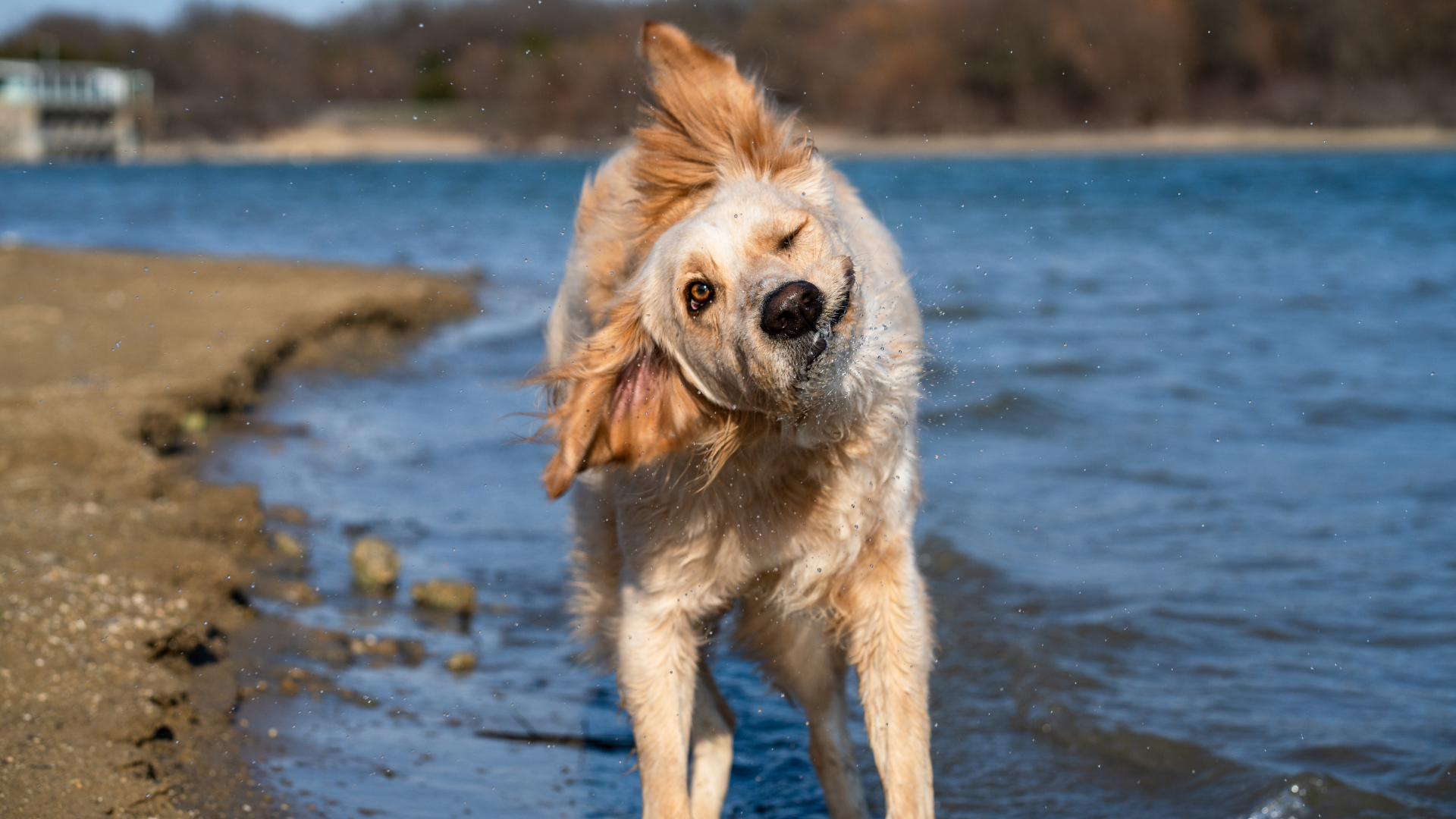
If your dog keeps shaking its head, it may seem harmless at first glance. Many dogs shake their heads every now and then, be it after bathing or playing outside. But if your dog is shaking its head unusually often or particularly violently, it can be a sign of health problems that you should not ignore. In this detailed article, you will learn why dogs shake their heads, what the most common causes are, and how you can ensure the well-being of your four-legged friend.
Why do dogs shake their heads?
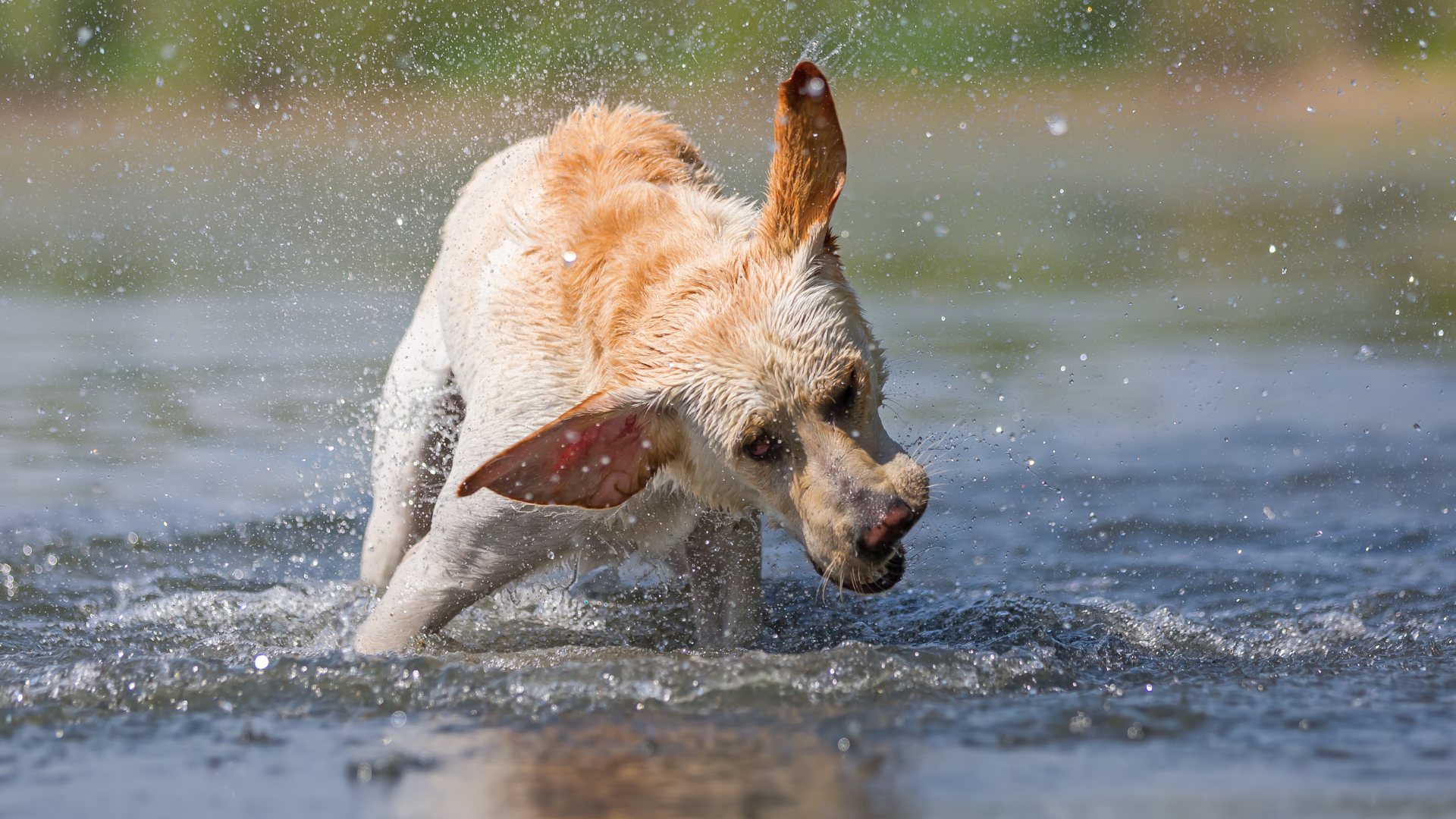
Dogs instinctively shake their heads to get rid of something that is bothering them. Whether it is water after swimming or an insect – head shaking is often an attempt to get rid of something unpleasant. It is a natural behavior that is usually harmless. But if it occurs more frequently or your dog seems restless, it could indicate health problems.
The most common triggers for frequent head shaking include ear irritations, infections, parasites, or injuries. Since dogs' ears are very sensitive, they often react to discomfort or pain by shaking their heads.
The most common causes of frequent head shaking in dogs
There are several possible reasons why your dog is constantly shaking its head. To ensure your dog's well-being, it is important to identify the cause and choose the right treatment. Here are the eleven most common causes you should know about:
1. Ear infections (otitis)
One of the most frequent causes of repeated head shaking in dogs is ear infections. These infections can be caused by bacteria, fungi, or parasites. Dogs with long, floppy ears like Basset Hounds or Cocker Spaniels are particularly susceptible because moisture and dirt can be more easily trapped in the ear canal.
Symptoms: In addition to head shaking, your dog might also scratch its ears. Other signs of an ear infection include redness, swelling, a foul odor, and sometimes a yellowish or brown discharge from the ear.
Treatment: If you suspect an ear infection, you should definitely consult a veterinarian. The vet will thoroughly examine the ears and, if necessary, prescribe ear drops or antibiotics. In severe cases, a deeper cleaning of the ear canal may also be necessary.
2. Foreign object in the ear
A foreign object in the ear is a common cause of head shaking, especially in dogs that enjoy romping around outside. Grass awns, small twigs, or even insects can get into your dog's ear canal. These foreign objects lead to itching and discomfort, which causes the dog to shake its head frequently.
Symptoms: In addition to head shaking, your dog may scratch one ear more frequently or even show signs of pain. Upon closer inspection, you might be able to see the foreign object in the ear.
Treatment: It is advisable not to remove the foreign object yourself, as you could make the situation worse by pushing the object deeper into the ear canal. A veterinarian has the right tools and the necessary experience to remove the object safely and painlessly.
3. Ear mites
Ear mites are tiny parasites that settle in dogs' ears and lead to intense itching and irritation. These parasites are particularly common in young dogs or animals that come into contact with other infected pets. The mites feed on skin cells and earwax and cause inflammation.
Symptoms: Your dog will scratch its ear often and intensely, and you may notice dark, crumbly earwax that looks like coffee grounds. Intense itching is typical, and the frequent head shaking is an attempt to get rid of the mites.
Treatment: A veterinarian can make the diagnosis through a simple examination and initiate treatment with ear drops or another antiparasitic agent. It is important to check all animals in the household for ear mites, as they are very contagious.
4. Allergies
Dogs, just like humans, can suffer from allergies. These can be triggered by environmental factors such as pollen, dust, or mold, but also by certain foods. Allergies often lead to itching and inflammation, which can also affect the ears. Your dog might shake its head to relieve the unpleasant itching.
Symptoms: In addition to head shaking, you might observe other symptoms of an allergy in your dog, such as skin rashes, redness, frequent licking or biting of the paws, and digestive problems.
Treatment: The treatment of an allergy begins with identifying the trigger. The vet can find out what your dog is allergic to through special tests. Often, changing the diet or avoiding certain environmental factors helps. In severe cases, medications such as antihistamines or cortisone can also be used to alleviate the symptoms.
5. Ear hematomas
If a dog shakes its head intensely for a long time, the fine blood vessels in the ear can burst, leading to a so-called ear hematoma. Blood collects between the layers of skin in the ear, creating a painful, fluid-filled swelling.
Symptoms: You will notice a soft, spongy swelling on one or both ears. The affected area may be warm and sensitive, and the dog may show discomfort if you touch the ear.
Treatment: Ear hematomas often require veterinary treatment. In mild cases, the blood can be drained and the ear bandaged. In more severe cases, surgery is necessary to completely remove the hematoma and prevent it from recurring.
6. Ear injuries
Ears are sensitive body parts, and injuries can occur easily, whether through a scratch, an insect bite, or a fight with another dog. These injuries can lead to pain and inflammation, which in turn trigger head shaking.
Symptoms: A visible injury, swelling, or bleeding are signs that your dog has injured its ear. Your dog might also be sensitive to touch or constantly lick the ear.
Treatment: You can clean minor wounds yourself with a disinfectant and monitor them. However, for larger injuries or persistent head shaking, you should see a veterinarian to prevent infection and have the wound properly treated.
7. Swimmer's ear (otitis externa)
If your dog likes to swim or is given baths, water can get into its ears. The trapped water creates a moist environment that offers ideal conditions for bacteria and fungi. These microorganisms can cause inflammation in the outer ear canal, also known as swimmer's ear.
Symptoms: In addition to head shaking, your dog may scratch its ears frequently. Redness and discharge can also be signs of an infection.
Treatment: After every swim or bath, you should ensure that your dog's ears are dried well. If an infection occurs, the vet can prescribe antibacterial or antifungal ear drops to treat the infection.
8. Fungal infections
Fungi, especially yeast, are a common cause of ear infections in dogs. These fungi thrive particularly well in damp and warm environments, which is why dogs with long, floppy ears are more susceptible. A fungal infection in the ear causes intense itching and often leads to the dog shaking its head intensely.
Symptoms: Your dog may show redness, swelling, and an unpleasant smell from the ear. A yellowish or brown discharge may also occur.
Treatment: Fungal infections should be diagnosed by a veterinarian who will prescribe special ear drops. Regularly cleaning the ears can help prevent a recurring infection.
9. Tumors or growths in the ear
In rarer cases, your dog's head shaking can indicate a tumor or growth in the ear canal. These can be benign or malignant and narrow the ear canal, leading to discomfort.
Symptoms: Your dog shakes its head frequently, recurring infections, and possibly swelling in the ear.
Treatment: A veterinary examination is absolutely necessary. The vet can determine through a biopsy whether it is a benign or malignant growth and, if necessary, recommend surgery.
10. Deafness or hearing problems
If a dog suffers from hearing problems or even deafness, it may shake its head more often as it tries to improve its hearing or shake off an annoying noise.
Symptoms: In addition to head shaking, your dog may show signs of disorientation or not respond to calls or noises.
Treatment: Hearing problems require a special veterinary examination. In some cases, infections or growths may be the cause, which can be treated.
11. Neurological disorders
In rare cases, constant head shaking can point to neurological problems. These include disturbances of the sense of balance or other problems in the nervous system that lead to uncontrolled behavior by the dog.
Symptoms: In addition to head shaking, other signs such as tremors, coordination problems, or unusual behavior may occur.
Treatment: If you suspect neurological problems in your dog, you should consult a veterinarian immediately. A thorough examination and possibly imaging procedures such as an MRI are necessary to find the cause.
When should you take your dog to the vet?
If your dog only shakes its head occasionally, it is usually no cause for concern. But if head shaking occurs more frequently or is accompanied by other symptoms, you should have your dog examined by a vet just to be safe. Pay special attention to the following signs:
-
Frequent or persistent head shaking
-
Redness, swelling, or discharge from the ears
-
Intense itching and scratching of the ears
-
Unpleasant odor from the ears
-
Pain or discomfort when touching the ears
The sooner you intervene, the better the chances that your dog will recover quickly.
Preventive measures: How to protect your dog
There are some measures you can take to reduce the risk of ear problems and head shaking in your dog:
-
Regular ear checks: Look into your dog's ears regularly and watch for changes such as redness, swelling, or odor.
-
Ear care: Clean your dog's ears carefully with a special ear cleaner. Be careful not to use cotton swabs, as you could injure the ear canal with them.
-
Keep ears dry: After bathing or swimming, your dog's ears should always be dried well to avoid moisture accumulation.
-
Grooming: Especially for long-haired dogs, regular brushing is important to prevent matting and dirt accumulation in the ear area.
Conclusion
Your dog's head shaking can have many different causes – from harmless to serious health problems. If you notice that your dog is shaking its head frequently, you should check your dog's ears regularly and see a vet if necessary. With the right care and attention, you can help your dog feel better again and stop the constant head shaking.