

Hair loss in dogs: causes, treatment and care tips
Hair loss in dogs can be a natural result of shedding, but it can also indicate health problems. The concern of many dog owners is understandable when their four-legged friend loses increased amounts of fur and bald patches become visible. In this comprehensive blog post, we take a detailed look at the causes of hair loss in dogs, when this hair loss is normal, and which treatments and preventive measures can help.
Natural shedding: How much hair loss is normal in dogs?
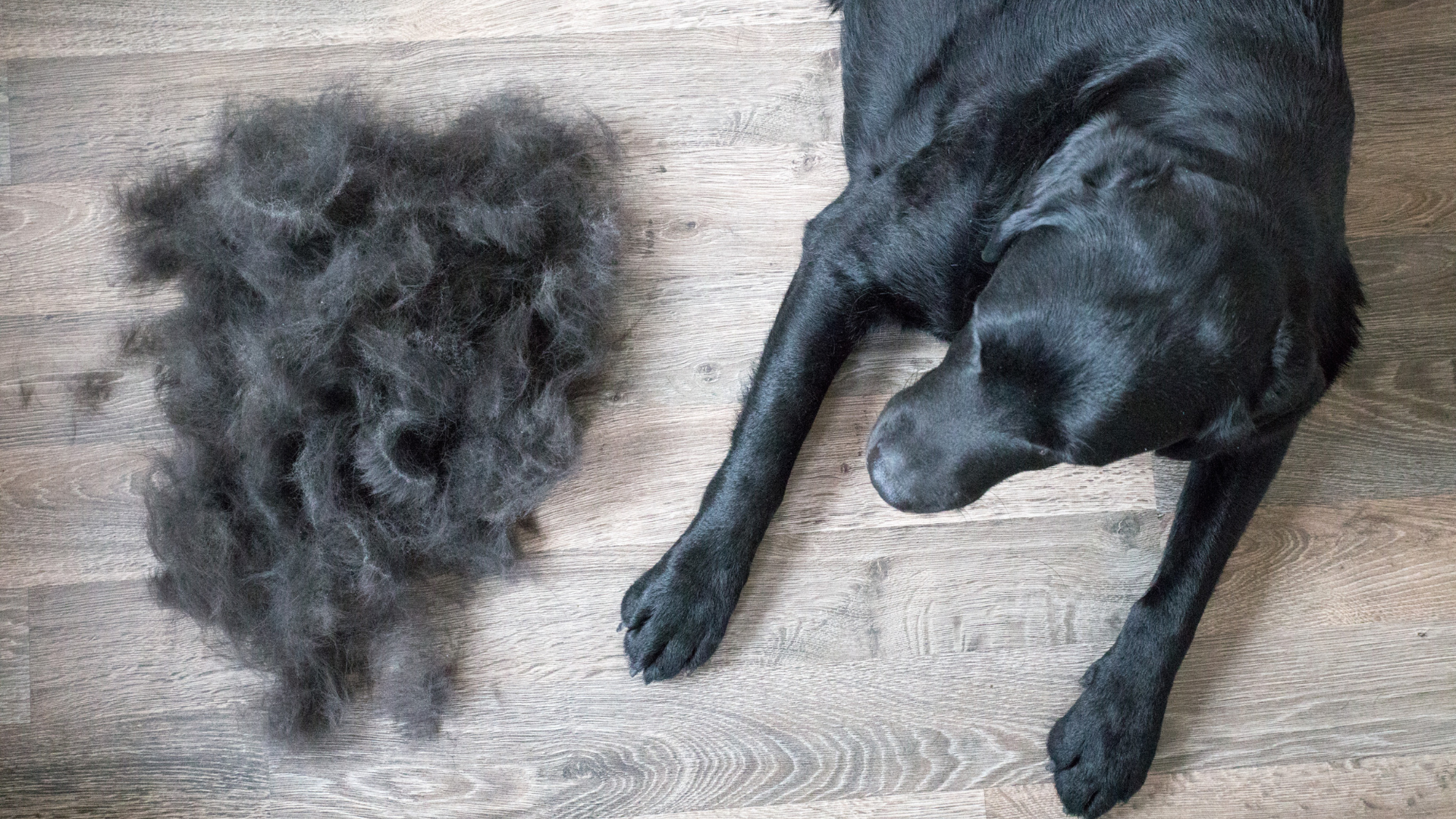
It is perfectly normal for dogs to lose more hair during the shedding season, which occurs twice a year. Dogs shed their coats in the spring and autumn. In spring, the dog sheds its thick winter coat to prepare for warmer temperatures, while in autumn, the thin summer coat is exchanged for a denser winter coat. During this time, the dog loses a particularly large amount of fur, which is considered normal.
Tips for supporting the shedding process:
-
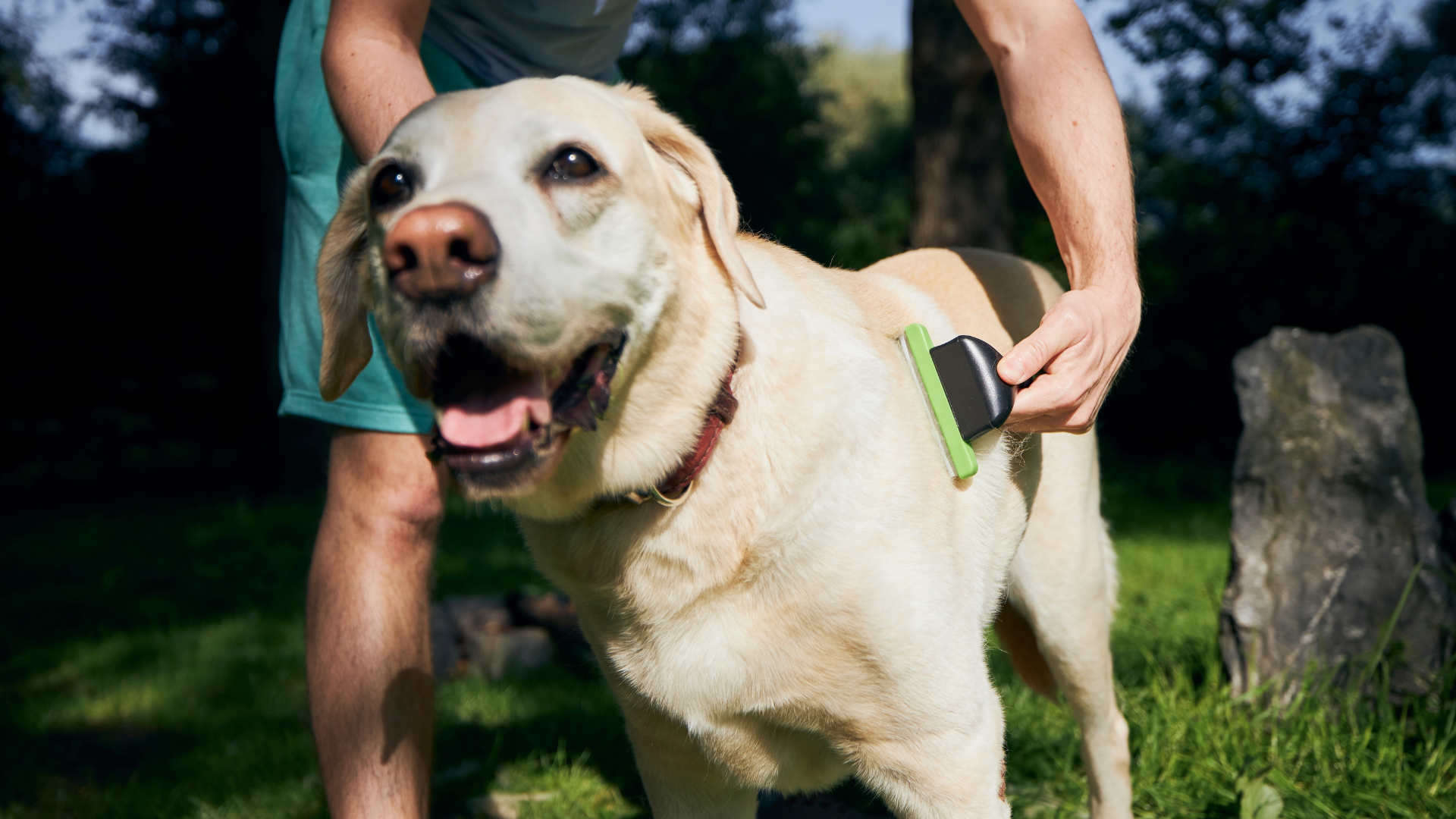
Regular brushing: To help your dog during this hairy time, daily brushing is important. Removing dead hair reduces the amount of fur your dog sheds and simultaneously promotes blood circulation in the skin, which supports coat health.
-
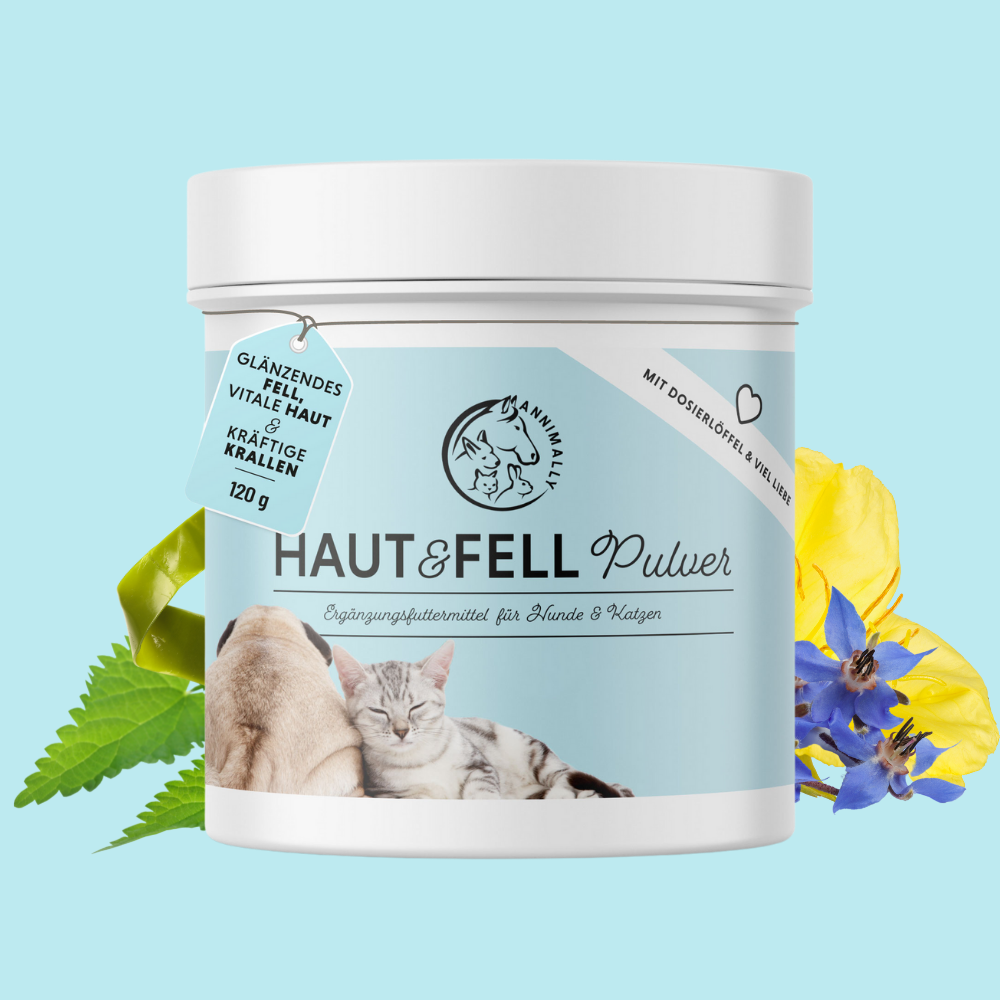
High-quality nutrition: A balanced diet with sufficient nutrients, especially omega-3 fatty acids, supports skin and coat health. Special nutritional supplements can provide additional help during the shedding process.
Excessive hair loss in dogs: When does it become a problem?
Excessive hair loss that goes beyond the seasonal shedding or the appearance of bald patches should not be ignored. Hair loss, also known as alopecia, can indicate various health problems. An important indicator that there is a serious problem is the presence of other symptoms such as itching, skin redness, dandruff, or even sores.
Parasites as a cause of hair loss in dogs
A common cause of hair loss is parasites such as fleas, mites, and lice. These small pests are the cause of itching, skin irritation, and inflammation, which can lead to intense scratching and thus increased hair loss. Mite infestations (e.g., demodicosis or mange) are particularly uncomfortable for dogs and often lead to hair loss and bald patches.
How can you recognize a parasite infestation in your dog?
Itching and scratching: If your dog is constantly scratching or licking specific areas, parasites could be the cause.
Bald patches: Localized hair loss, especially around the eyes, ears, or belly, can indicate parasites.
Treating parasites:
In the event of a parasite infestation, special shampoos or spot-on preparations that kill the pests help. Regular deworming and the use of flea and tick preventatives can help prevent an infestation.
Allergies as a trigger for hair loss in dogs
Dogs, just like humans, can suffer from allergies that manifest as skin irritation and hair loss. Typical allergies involve food, pollen, house dust, or even cleaning products. These allergies often trigger intense itching, leading to increased scratching and hair loss.
How can you recognize allergies in dogs?
-
Itching: Your dog frequently scratches or bites specific parts of its body.
-
Redness and swelling: Allergic reactions can cause visible skin changes.
Treating allergies:
Treating allergies often requires an accurate diagnosis by a veterinarian to identify the trigger. For food allergies, an elimination diet is frequently used, during which the dog is fed exclusively with hypoallergenic food to monitor the reaction.
Hormonal imbalances and hair loss
A hormonal imbalance can also be a cause of hair loss in dogs. The most common hormonal diseases include hypothyroidism (underactive thyroid) and Cushing's syndrome (overproduction of cortisol). Both diseases lead to a general deterioration of the coat, hair loss, and other health problems such as weight gain, fatigue, and susceptibility to infections.
How can you recognize hormonal problems?
Symmetrical hair loss: Typical for hormonal disorders is symmetrical hair loss, which often occurs on the flanks, neck, or tail.
Other symptoms: Fatigue, weight gain, and increased drinking and urination can also indicate hormonal problems.
Treating hormonal disorders:
Hormonal diseases usually require medication to restore the hormonal balance. With an underactive thyroid, for example, the dog is administered thyroxine, while Cushing's syndrome is treated by regulating cortisol production.
Hereditary hair loss disorders: Genetic predisposition in certain breeds
Hereditary hair loss is a less well-known but common cause of alopecia in dogs. Some dog breeds are genetically more susceptible to certain forms of hair loss, which often appear in puppyhood or the first few years of life. An example of such a hereditary disease is follicular dysplasia, where the dog's hair follicles have an abnormal structure and cannot grow properly. This leads to a sparse coat or thinning patches, which are typically distributed symmetrically over the body.
Breed susceptibility:
Certain breeds, such as Dobermans, Dalmatians, German Shepherds, and Chow-Chows, are more frequently affected by genetically caused hair loss. Due to their genetic disposition, these dogs have a higher risk of their hair follicles not working correctly or suffering from other hereditary skin problems.
Symptoms of genetic alopecia:
The symptoms of hereditary alopecia often appear in the first years of the dog's life and can manifest as thin or irregularly growing hair. A typical feature is symmetrical hair loss, which usually occurs without other symptoms such as itching or inflammation. The skin in the affected areas may appear thinner or discolored.
Diagnosis and treatment:
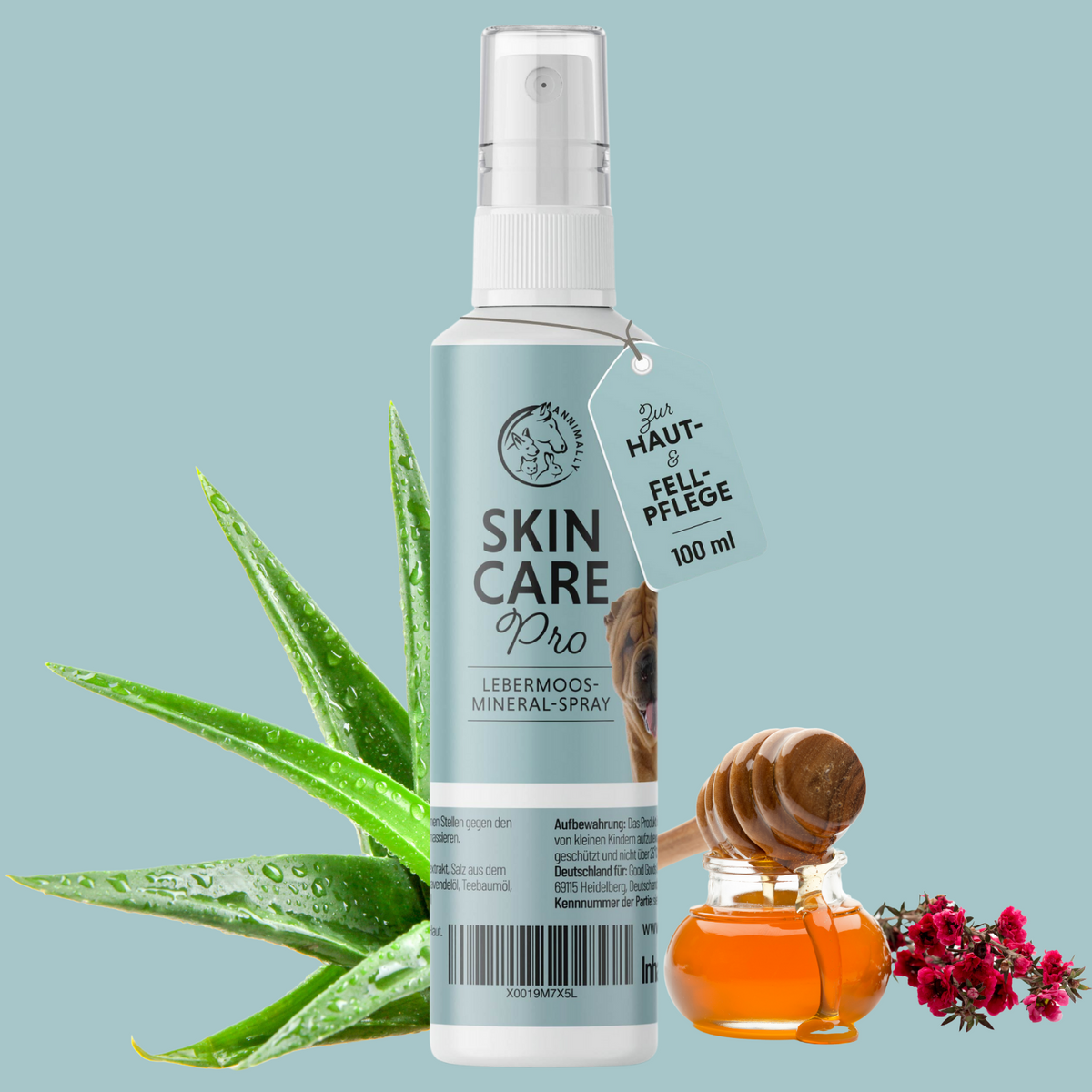
The diagnosis of hereditary hair loss disorders often requires special tests, such as a skin biopsy, to determine the exact cause. Unfortunately, there are limited treatment options for genetically caused hair loss because the underlying cause lies in the dog's DNA. In some cases, special care products and shampoos can help soothe the skin and improve coat health. However, it is important to have realistic expectations, as hair growth often cannot be fully restored. A healthy diet with high-quality feed supplements containing omega-3 fatty acids and biotin can support skin health and improve the general condition of the coat.
Nutrient deficiency: The underestimated trigger of hair loss in dogs
A nutrient deficiency is a frequently overlooked cause of hair loss in dogs, yet it plays a central role in skin and coat health. Your dog's diet not only influences its general well-being but is also crucial for skin and coat health. If important nutrients such as omega-3 and omega-6 fatty acids, zinc, biotin, or vitamin E are missing, this can lead to dry skin, dandruff, and hair loss.
Nutrients that are crucial for hair growth:
-
Omega-3 and omega-6 fatty acids: These fatty acids are essential for healthy skin and a shiny coat. They have an anti-inflammatory effect and contribute to the regeneration of skin cells. A deficiency can lead to dry, flaky skin and brittle hair.
-
Biotin (vitamin B7): Biotin plays a key role in the formation of keratin, the protein that hair is made of. It promotes the growth of healthy hair and strengthens the hair follicles. A biotin deficiency can lead to a dull coat and hair loss.
-
Zinc: This trace element is necessary for cell division and your dog's immune system. A zinc deficiency can lead to skin problems such as itching, inflammation, and hair loss.
Consequences of a nutrient deficiency:
A dog that receives an unbalanced diet over a longer period often shows signs of poor coat quality. The coat becomes dull, brittle, and falls out faster. Dogs with chronic nutrient deficiencies are also prone to other health problems, such as skin infections and a weakened immune system.
How can you prevent nutrient deficiency?
-
High-quality food: The simplest method to prevent nutrient deficiency is feeding high-quality, balanced food that is specifically tailored to the dog's needs.
-
Nutritional supplements: If your dog is particularly prone to hair loss, the addition of dietary supplements can be useful. These often contain essential fatty acids, biotin, and zinc, which support hair growth.
-
Regular veterinary checks: To ensure that your dog is receiving all necessary nutrients, you should visit the vet regularly and have a blood test done if necessary.
Psychological stress as a cause of hair loss in dogs
Stress and anxiety can also lead to health problems in dogs. Long-term stress, for example due to environmental changes, lack of activity, or conflicts with other dogs, can trigger hair loss and other behavioral problems.
How can you recognize stress?
-
Changed behavior: Your dog seems nervous, withdraws, or shows increased licking or scratching.
-
Frequent licking: Stress-related hair loss often manifests through increased licking of specific parts of the body.
Stress management:
-
Exercise and mental stimulation: Make sure your dog gets sufficient exercise and mental stimulation to reduce stress.
-
Quiet environment: Create a stress-free environment and avoid unnecessary changes.
When should you take your dog to the vet?
If your dog's hair loss occurs suddenly, is unusually severe, or is accompanied by other symptoms such as itching, inflammation, or behavioral changes, it is important to see a veterinarian. Early diagnosis can help prevent more serious diseases.
Conclusion on hair loss in dogs
Hair loss in dogs can have many different causes, from natural processes like shedding to serious health problems. Careful observation, regular grooming, and a balanced diet can go a long way in maintaining your dog's coat health. However, in the case of excessive hair loss or accompanying symptoms, a visit to the veterinarian is essential to determine the exact cause of the hair loss and to treat it specifically.