

Paw diseases in dogs: A comprehensive guide with causes, symptoms and treatment approaches
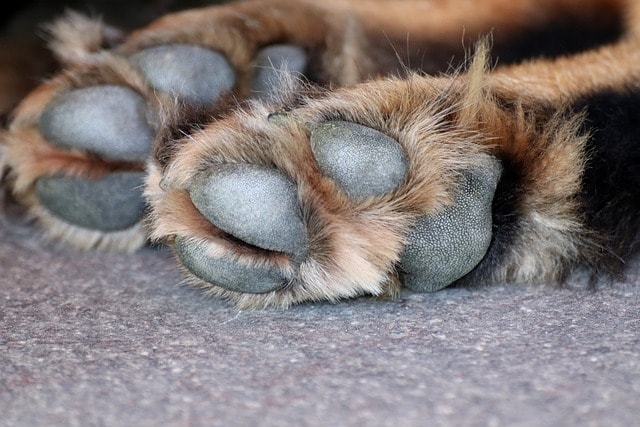
Your dog's paws are a crucial element for his health and mobility. They protect him from environmental influences and ensure that he can move safely and comfortably. Unfortunately, paws are also prone to a variety of diseases and injuries which, if not detected in time, can significantly impair the well-being of your four-legged friend. In this comprehensive guide, you will learn everything you need to know about paw diseases in dogs: symptoms, causes, and what you can do to protect your dog.
Why healthy paws are actually so important
Your dog's paws are not only central to movement but also provide protection against rough surfaces, hot or cold temperatures, and sharp objects. Healthy paws are therefore the foundation for an active and happy dog's life. Even minor injuries or inflammations can massively affect your dog's well-being and should therefore never be underestimated.
Common paw diseases in dogs
There are numerous diseases and injuries that can affect your dog's paws. Some of these are harmless and can be easily treated, while others represent more serious health problems. Here are the most common paw diseases:
Pododermatitis
Pododermatitis is an inflammatory skin disease of the paws. It often occurs as a result of allergies, parasites, or bacterial infections. Affected dogs frequently lick their paws, which may be red and swollen. In severe cases, it can lead to purulent inflammation or open wounds.
This condition can occur both acutely and chronically and generally requires a thorough diagnosis and targeted treatment by a veterinarian.
Nail bed inflammation (paronychia)
In the case of nail bed inflammation, the tissue around the claw becomes inflamed. Bacteria or fungi are often the triggers for this condition, which is exacerbated by injuries to the claw. Symptoms include reddened and swollen nail bases, brittle claws, or even loss of the claw in advanced stages.
Treatment usually consists of antibiotic or antifungal medication, depending on the cause of the inflammation.
Parasite infestation
Parasites such as mites, fleas, or ticks can also lead to problems with the paws. Dogs are frequently affected by harvest mites, especially in late summer and autumn, whose larvae embed themselves in the skin and cause severe itching. Affected dogs lick and scratch their paws more frequently, which can lead to secondary infections.
Tick bites here are not only uncomfortable but can also transmit serious diseases like Lyme disease.
Hormonal diseases
Hormonal disorders such as Cushing's syndrome or hypothyroidism weaken the immune system and cause wounds to heal more slowly and inflammations to develop more easily. These conditions can also manifest as chronic paw problems. The symptoms are often diverse and require an accurate diagnosis by a veterinarian.
Autoimmune diseases
Autoimmune diseases such as symmetrical lupoid onychodystrophy (SLO) can affect a dog's paws and especially their claws. This disease leads to a painful breakdown of the claw structure and can lead to severe damage in the long term. Since it is an autoimmune disease, a cure is not possible, but with the right treatment, the progression of the disease can be slowed down.
Symptoms of paw diseases
Paw problems often manifest in noticeable behavioral changes and visible symptoms on the paws themselves. Here are the most common signs:
-
Increased licking and biting at the affected areas: This is often the first sign of discomfort or itching. It can be triggered by injuries, allergies, or parasites.
-
Swelling and redness: Inflamed paws are often swollen and red. If you notice such changes, a visit to the veterinarian is advisable.
-
Lameness: Paw problems can lead to an altered gait or even lameness, as the dog tries to favor the affected paw.
-
Purulent discharge or crusting: With bacterial or fungal infections, wounds can fill with pus or crusts can form on the skin.
-
Sensitivity to touch: If your dog does not want you to touch its paws, this indicates pain.
Causes of paw diseases
The causes of paw problems in dogs are varied. Some of the most common triggers are:
-
Injuries: Small cuts or tears on the paw pads, caused by sharp objects such as glass shards, thorns, or splinters, are common causes of infections and inflammation. Slippery or salt-strewn paths can place additional strain on the paws, especially in winter.
-
Allergies: Dogs can react allergically to various environmental factors, including pollen, grasses, dust mites, or certain food products. These allergies often manifest as severe itching that affects the paws. Dogs that react allergically to certain areas during walks often show symptoms like excessive licking or scratching.
-
Fungal infections: Fungal infections on the paws often occur in damp environments. Dogs that spend a lot of time in the water or run on damp ground are particularly at risk. The treatment of fungal infections is often lengthy because the fungi can settle deep into the skin.
-
Parasites: In addition to ticks and fleas, mites such as the Demodex mite can cause paw problems. Dogs with a weakened immune system are particularly susceptible to such infections, which can lead to hair loss, redness, and crusting on the paws.
Diagnosis of paw diseases
Diagnosing paw diseases is not always easy, as many conditions share similar symptoms. A veterinarian will usually perform a thorough examination of the paws and may order additional tests such as skin swabs, blood tests, or X-rays to determine the exact cause.
If an autoimmune disease or hormonal disorder is suspected, special blood tests may also be necessary to check the function of the thyroid or adrenal glands.
Treatment of paw diseases in dogs
The treatment of paw diseases depends heavily on the cause. Here are some of the most common treatment methods:
-
Antibiotics and antifungals: Bacterial infections are usually treated with antibiotics, while fungal infections are combated with antifungals. Treatment can last for several weeks depending on the severity. It is important that you administer the medication exactly as prescribed by the veterinarian to avoid relapses.
-
Paw care: Regular paw care can prevent many problems. This includes trimming the claws, cleaning the paws after walks, and applying special paw balms to keep the skin supple. Especially in winter, you should clean your dog's paws thoroughly after a walk to remove road salt and dirt.
-
Allergy treatment: If an allergy is the cause of the paw problems, the veterinarian might suggest hyposensitization, in which the dog is gradually accustomed to the allergen. In the meantime, antihistamines or anti-inflammatory medication can be used to alleviate the symptoms.
-
Surgical procedures: In severe cases, such as deep cuts or heavily inflamed claws, surgery may be necessary. The affected tissue is removed or sutured to promote healing and prevent complications. Surgery is generally only recommended if other treatment methods have not been successful or the injury is too severe to respond to conservative therapies.
Home remedies to support healing
In some cases, home remedies can support the healing of paw diseases or alleviate minor discomfort. Here are some proven approaches:
Paw baths
A paw bath with lukewarm water and a splash of apple cider vinegar can help to disinfect the paws and alleviate minor irritation. Apple cider vinegar has an antibacterial effect and supports wound healing. Make sure to dry the paws thoroughly after the bath to avoid moisture accumulation, which can promote the growth of bacteria or fungi.
Coconut oil
Coconut oil is known for its anti-inflammatory and moisturizing properties. It can be applied to the paws to treat dry or cracked skin. It also protects against infections by forming a barrier against bacteria and fungi. However, you should make sure that your dog does not lick the oil off immediately so it can take full effect.
Aloe vera
Aloe vera has cooling and healing properties that can be helpful for inflammation and irritation of the paws. You can apply a small amount of aloe vera gel to the affected areas to support the healing process and soothe itching.
Paw care in winter
Winter poses special challenges for your dog's paws. Cold temperatures, snow, and road salt can irritate and dry out the paw pads. Here are some tips on how to protect your dog's paws in winter:
-
Protect before the walk: Apply a special paw balm to the pads before going for a walk. This protects against cold, salt, and grit.
-
Clean after the walk: Remove road salt and dirt from the paws after your walk. A lukewarm paw bath or a damp cloth is ideal for this.
-
Check paws regularly: Check your dog's paws regularly for cracks, injuries, or swelling and apply a nourishing cream if necessary. This is important for healthy paw maintenance.
Paw care in summer
Summer also brings challenges for your dog's paws. Hot asphalt or sand can burn the paw pads and lead to painful blisters. Here are some tips to prevent paw problems in the summer:
-
Walks in the cool morning or evening hours: Avoid walks in the midday heat, as the asphalt can be particularly hot at this time.
-
Moisturize regularly: Paw balms or special creams help keep the paw pads supple in summer and protect them from drying out.
-
Check for injuries: Check the paws for cuts or burns after your walk and clean them thoroughly.
Precautionary measures during walks
No matter the season, you can do a lot to protect your dog's paws. Here are some general tips:
-
Protect from sharp objects: When walking, ensure your dog does not walk on glass shards, thorns, or sharp stones. If possible, choose soft surfaces like grass or soil.
-
Clean regularly: After every walk, you should check your dog's paws for dirt, grit, or small injuries and clean them if necessary.
-
Paw boots for special situations: In particularly rough environments, such as when hiking or in the mountains, special dog boots can protect the paws from injury.
Paw injuries from overexertion
Dogs that run a lot or play on rough ground can overexert their paws. This often leads to abrasions or blisters on the paw pads. Particularly athletic dogs or those that participate in agility competitions are affected by this. If you notice that your dog is limping after training or the paws are sensitive, you should give him sufficient rest and examine the dog's paws carefully.
When you should see a veterinarian
Paw diseases can worsen quickly if not treated in time. You should see a veterinarian if you notice any of the following symptoms:
-
Severe swelling or redness on the paw
-
Bleeding or open wounds
-
Constant licking or biting at the paws
-
Lameness or difficulty walking
-
Purulent discharge from the dog's paws or claws
An early vet visit can prevent the condition from worsening and ensures your dog gets back to fitness quickly.

Conclusion: The importance of paw health in dogs and how you can protect it
The health of your dog's paws is far more than just a detail of daily grooming – it is an essential foundation for the well-being and mobility of your four-legged friend. Paw diseases are not only painful but can significantly limit your dog's quality of life if not recognized and treated in time. Therefore, it is imperative to take paw problems seriously and take appropriate measures early on.
Regular checks and prevention are crucial
One of the most important measures for preventing paw problems is regularly checking your dog's paws. Daily paw care, such as trimming the nails, cleaning the pads, and applying protective paw balms, helps to keep the skin supple and resilient.
Paw protection is of particular importance, especially in extreme weather conditions, such as in winter with cold temperatures and road salt, or in summer with hot asphalt. Through simple measures like cleaning the paws after walks or wearing dog boots in extreme environments, you can prevent many injuries and irritations.
Quick reaction to symptoms
Despite all precautions, paw diseases can still occur. Therefore, it is crucial to take typical symptoms such as increased licking, biting at the paws, lameness, or redness seriously. Timely presentation to the veterinarian is essential to diagnose the exact cause of the paw problems and to initiate appropriate treatment.
Individual treatment approaches and holistic care
The treatment of paw diseases always depends on the underlying cause. For example, bacterial infections usually require antibiotic therapy, while fungal infections must be treated with antifungals. Hormonal disorders or autoimmune diseases that affect paw health also require specialized approaches and regular veterinary monitoring. In some cases, surgical interventions may also be necessary to treat serious injuries or infections.
A healthy balance between activity and rest
Your dog's paws are exposed to significant stress every day – whether running, playing, or participating in sporting activities like agility. To avoid overloading, it is important to allow your dog sufficient rest after intensive activities and to regularly check the paws for signs of overexertion, such as blisters or abrasions.
A holistic approach to your dog's health
The care and health of the paws are closely linked to the overall well-being of your dog. A balanced diet, regular exercise, and sufficient rest periods not only contribute to general health but also strengthen the immune system and the skin barrier, which in turn reduces the risk of paw problems.
The conclusion at a glance
Paw diseases are a common, but often underestimated, problem in dogs. Through regular care, careful monitoring, and a quick reaction to symptoms, you can prevent many problems or treat them at an early stage. Paw health is an important component of your dog's general healthcare, and by paying attention to the needs of their paws, you contribute significantly to a happy, active, and healthy dog's life.
If you regularly care for your dog's paws, watch for symptoms, and seek veterinary advice when necessary, you can ensure that your dog can fully enjoy their walks, excursions, and adventures – without being restricted by painful paw diseases.