
Senior dogs: Nutrition & exercise in old age – How to keep your four-legged friend fit and healthy
As dogs grow older, not only do their needs change, but so does their entire life rhythm. Nutrition and exercise play a decisive role in maintaining or even improving the quality of life of your loyal companion in their later years.
In this article, you will learn everything you need to know about proper feeding and exercise for senior dogs – including valuable tips and recommendations.
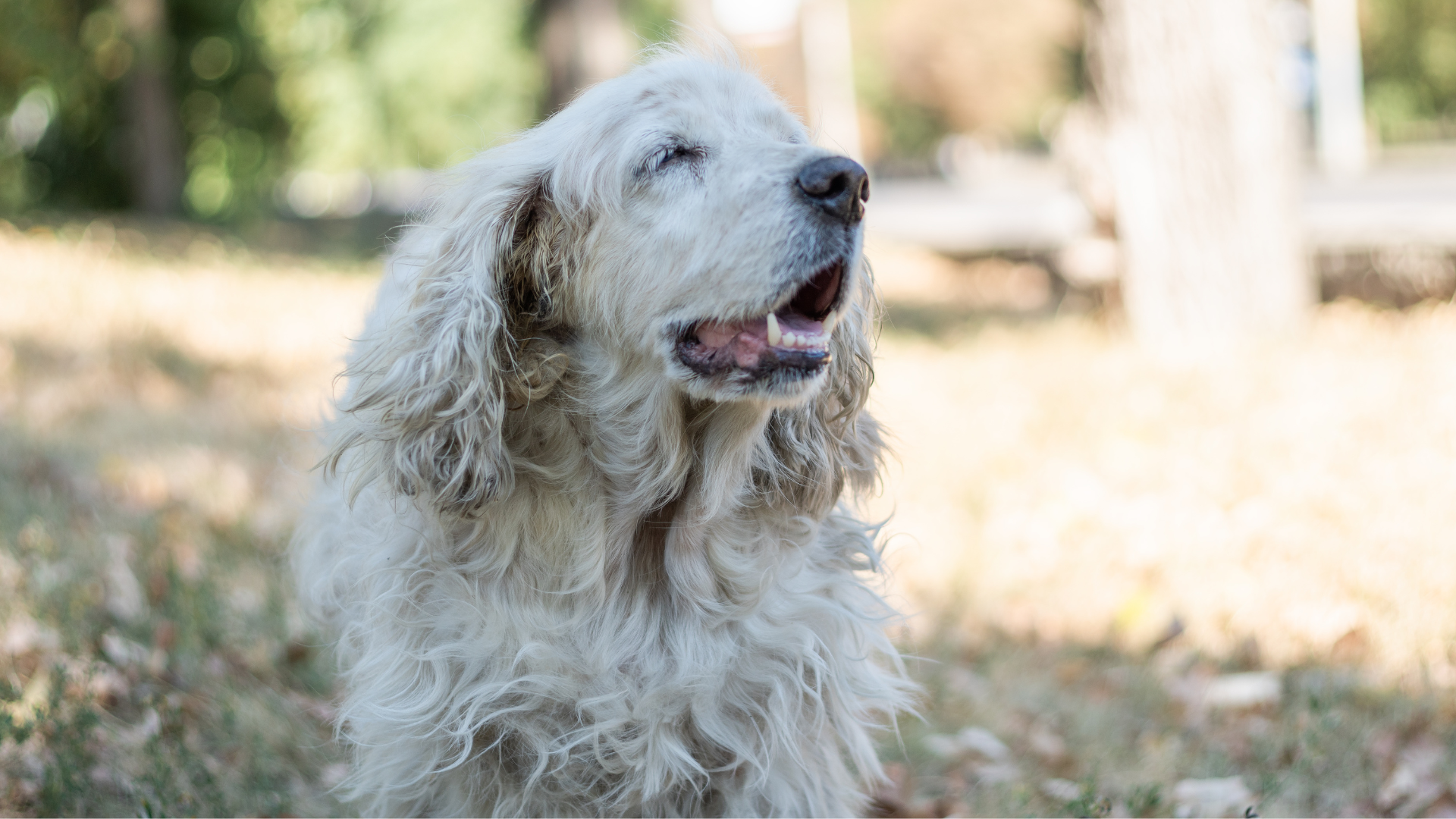
Why nutrition and exercise must change for senior dogs
As your dog ages, their metabolism, muscle mass, and general health condition change. While a young dog or puppy consumes a lot of energy, energy requirements decrease significantly with age. Activity levels also drop – many senior dogs sleep more and have less desire to play or go for long walks.
These changes have a direct impact on feeding and exercise behavior. An older dog requires adapted senior food with specific nutrients to support their health and avoid age-related ailments such as joint problems or obesity.
Nutrition for old dogs – the most important basics
1. Adapted energy requirements in old age
The older your dog gets, the less energy they need – unless they are ill or particularly active. This does not mean you have to feed them less, but rather that the food should contain fewer calories. So-called "puppy fat" (or "middle-age spread") is not uncommon in older dogs and can lead to further health problems, such as cardiovascular diseases or strain on the joints.
2. The importance of high-quality proteins in old dogs
Many dog owners believe that older dogs need less protein – the opposite is the case. High-quality proteins help slow down the natural loss of muscle mass. Make sure that the senior dog food contains easily digestible animal proteins.
3. Omega-3 fatty acids and joint health
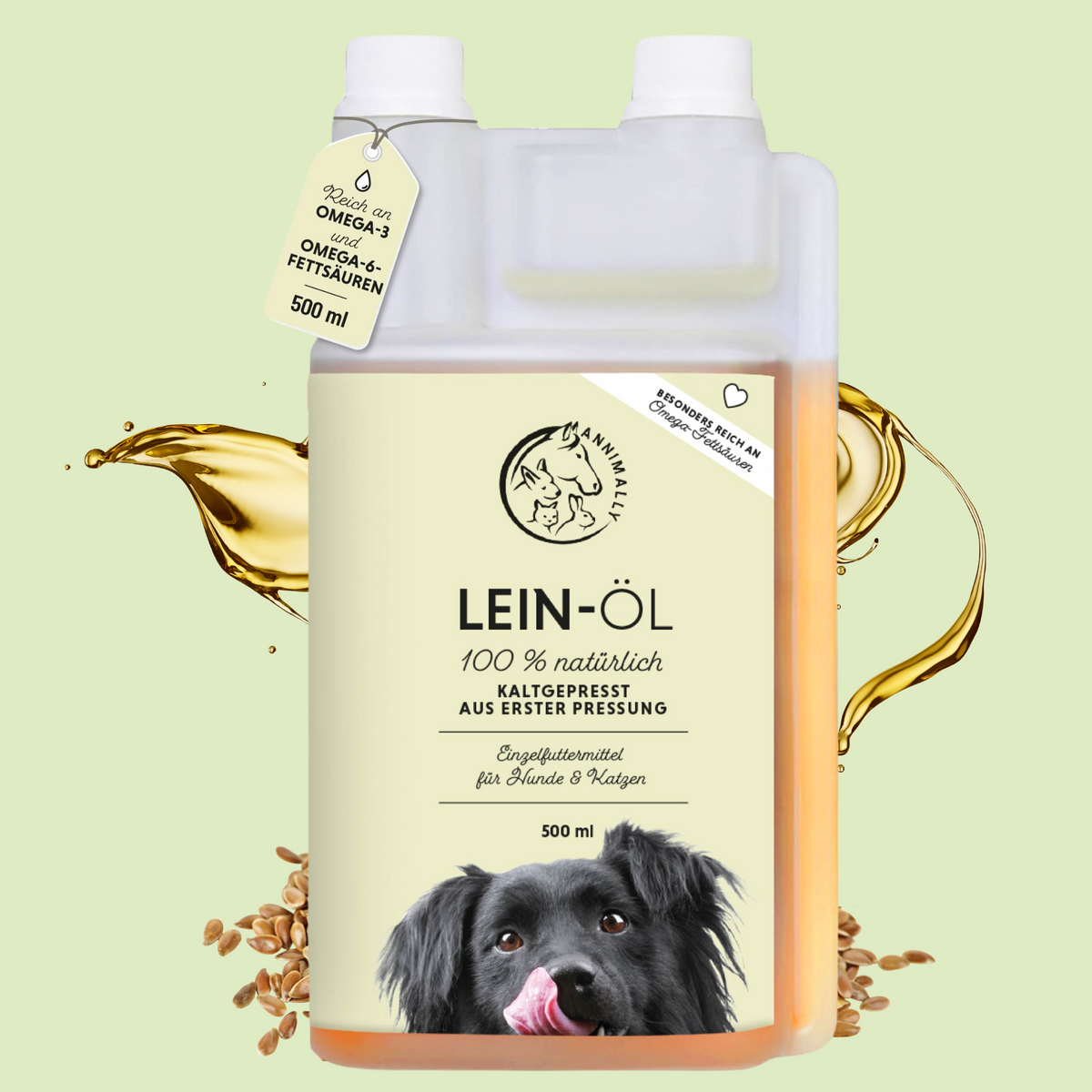
Omega-3 fatty acids support the joints and immune system and have an anti-inflammatory effect. They are especially important for dogs with joint problems or signs of aging such as arthritis. Good senior food usually contains these essential fatty acids in the form of fish oil.
4. Vitamins and minerals
In old age, your four-legged friend's nutritional needs regarding vitamins also change:
-
Vitamin C: Strengthens the immune system and acts as an antioxidant
-
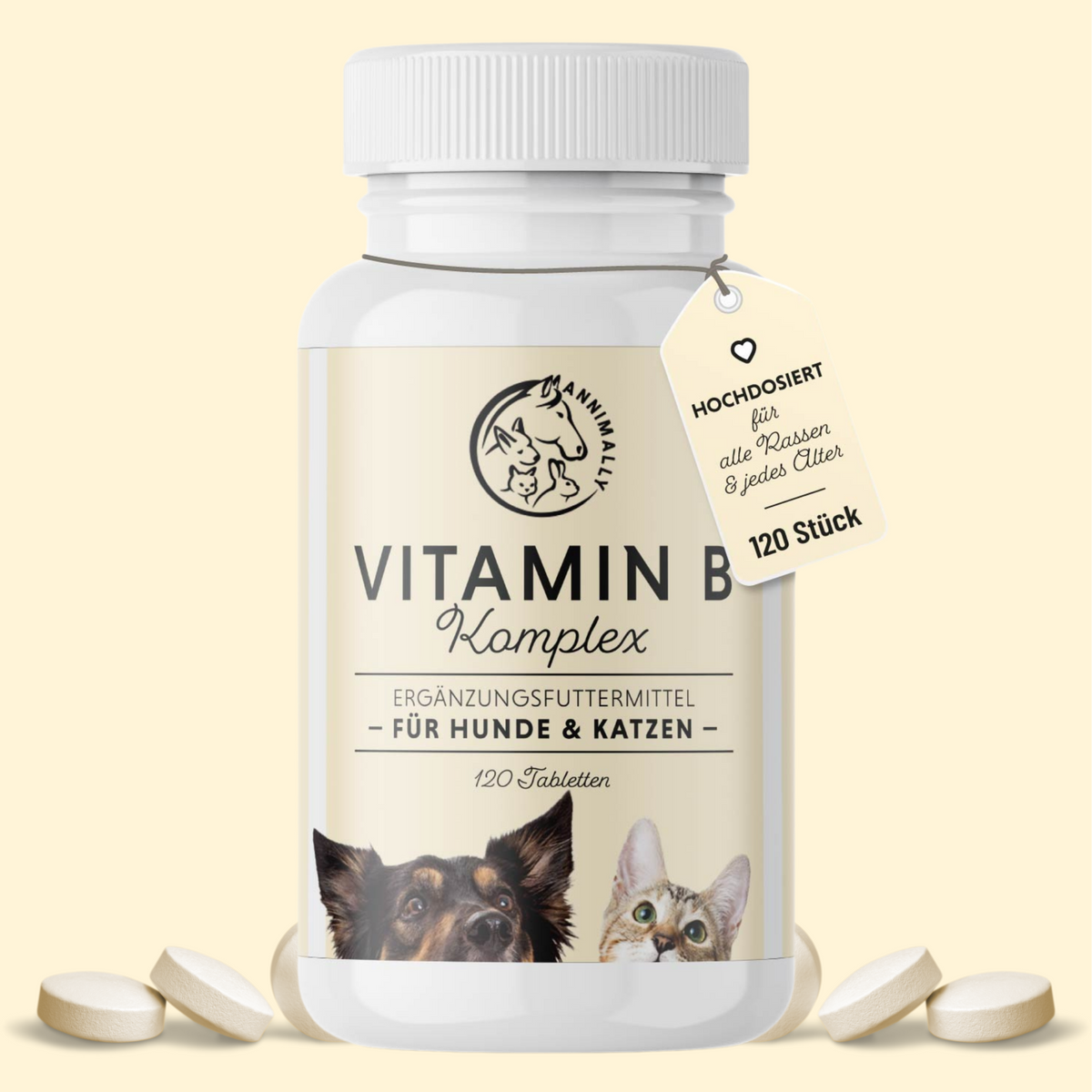
B vitamins: Support the metabolism
-
Calcium & Phosphorus: Important for bones and teeth
Kidney function should also receive special attention – therefore, the food should not contain excessive amounts of phosphorus.
5. Senior food vs. regular food
A special senior food is tailored to the changing needs of older dogs. It contains fewer calories but sufficient nutrients – a perfect balance for older dogs to avoid obesity while staying vital.
Tips for feeding old dogs
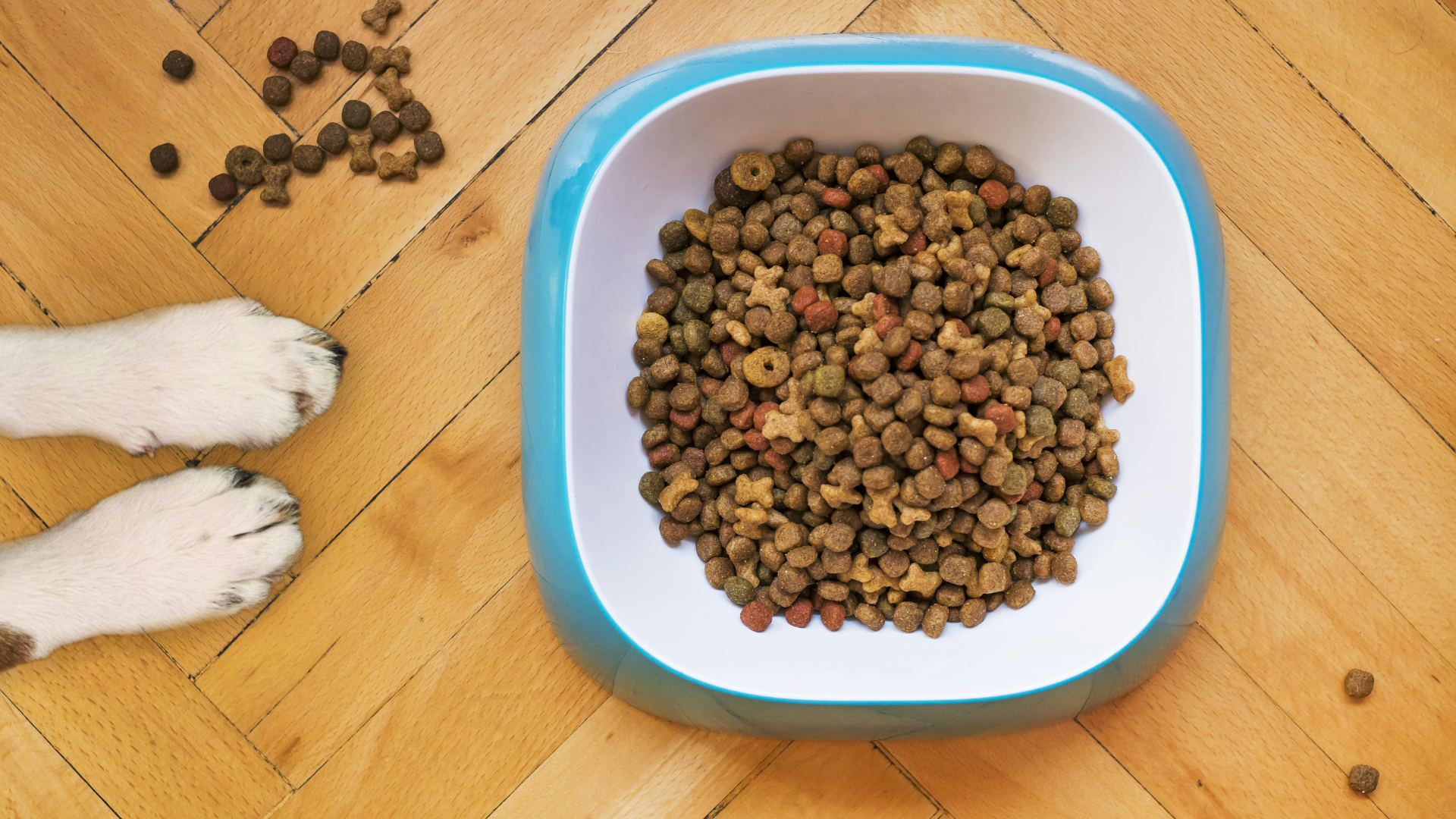
In later years, not only does your dog's energy requirement change, but also their digestion and general eating behavior. Therefore, it makes sense to divide the daily amount of food into two to three smaller meals. This not only eases the strain on the gastrointestinal tract but also helps prevent blood sugar fluctuations.
Observe carefully whether your dog's eating behavior changes – loss of appetite, sudden bolting of food, or refusal to eat can be early signs of health problems and should be discussed with a veterinarian.
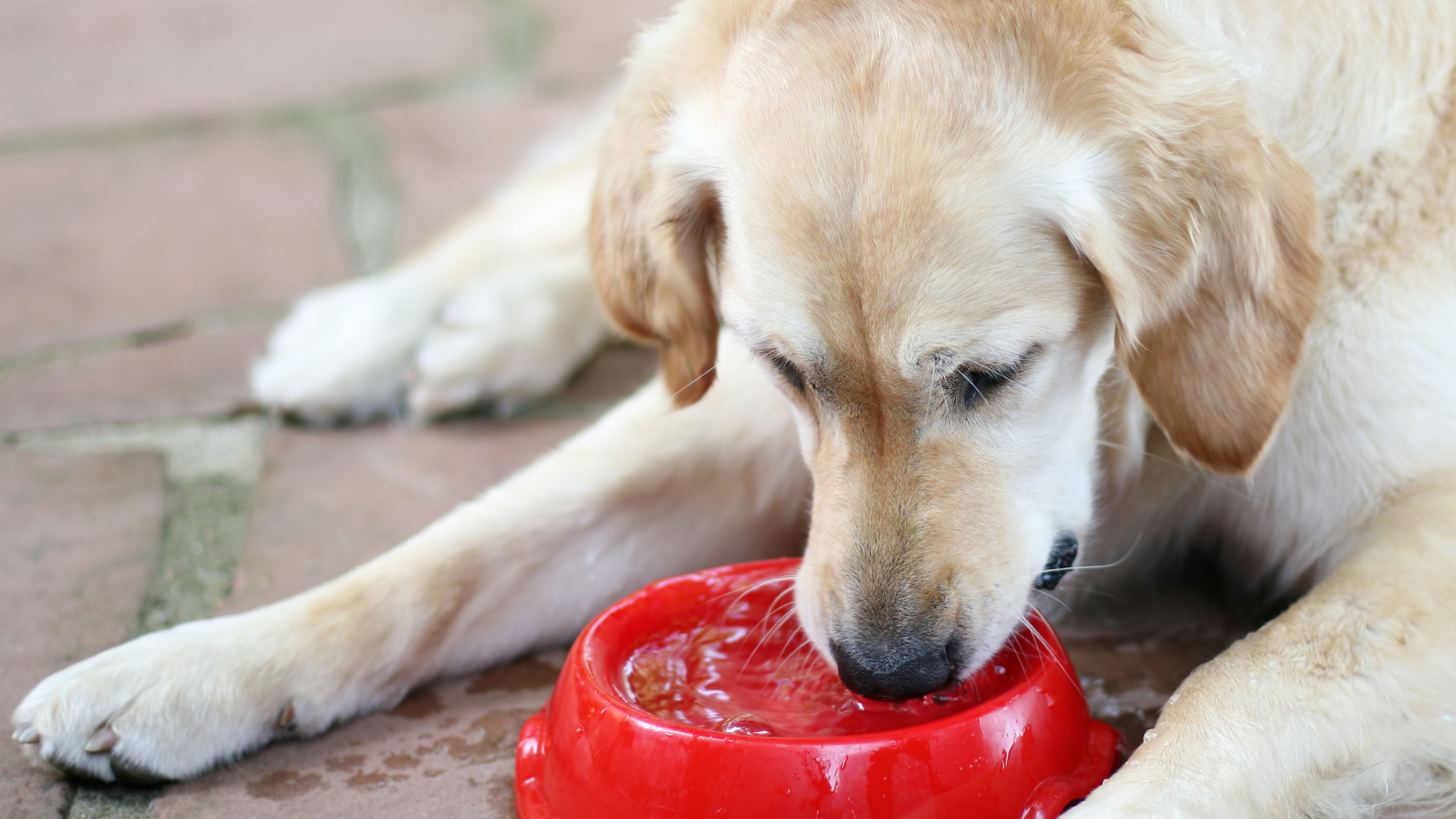
It is also important that your dog always has access to fresh water. Older dogs tend to drink less, which can negatively affect kidney function. Therefore, pay particular attention to ensuring adequate fluid intake.
To promote dental health, you can regularly offer your dog suitable chew bones. They help to reduce plaque and strengthen the gums – a simple but effective addition to daily dental care.
In general: Less is often more. Choosing the right food – ideally a senior food specially adapted for older dogs – is crucial. It provides your dog with all essential nutrients without burdening them with excess calories. This keeps your four-legged friend vital, healthy, and happy even in their later years.
Exercise for senior dogs – active, but adapted
Not only does nutrition change with age, but exercise habits should also be adapted to physical changes. Even if your dog becomes calmer, that does not mean they no longer have a desire for movement. Physical activity remains one of the most important factors for health and joie de vivre.
1. The right type of exercise
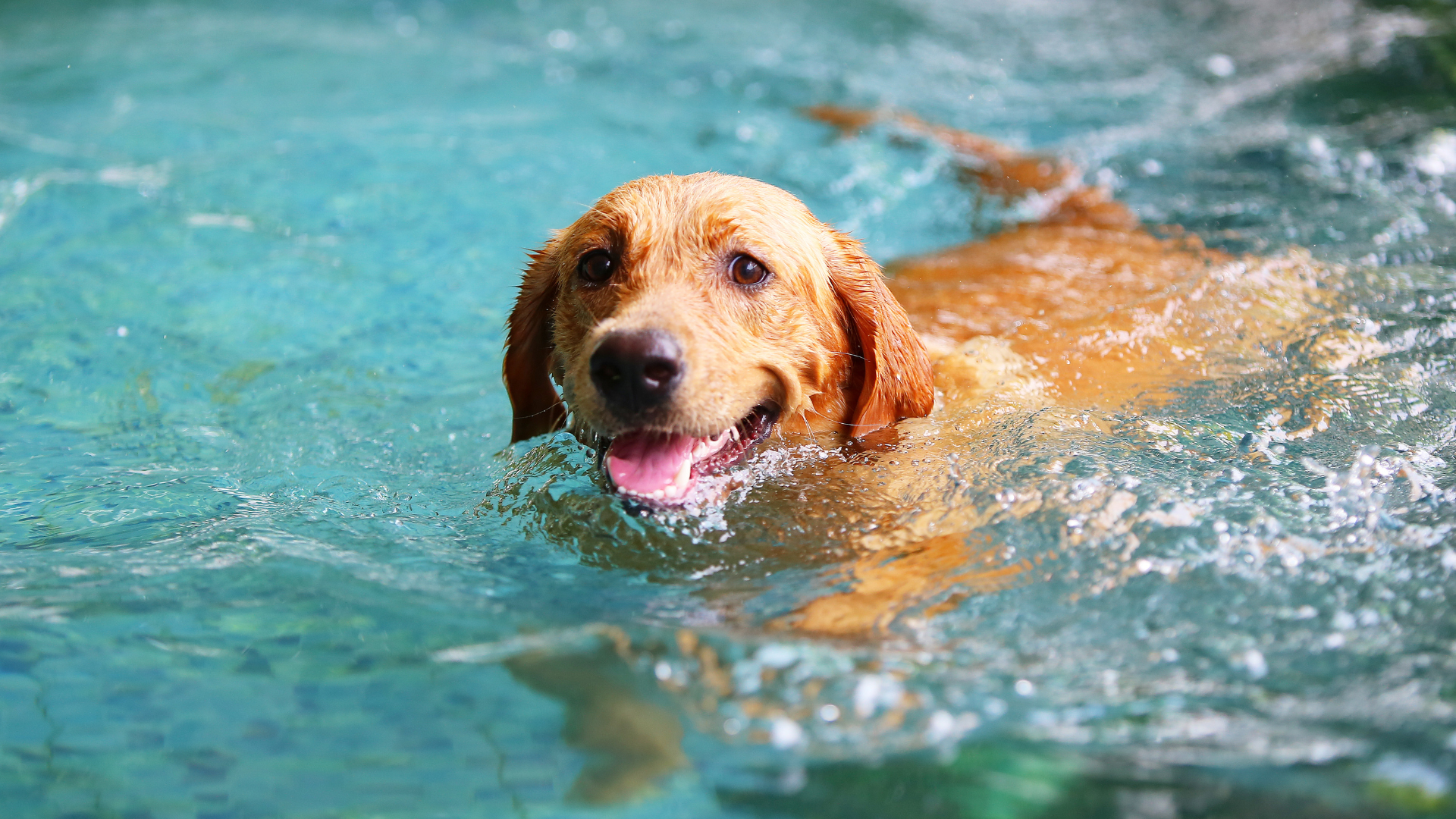
Not every breed or every senior dog is the same. Watch for individual signs of overexertion or lack of enthusiasm. Walks should be more frequent but shorter. Swimming, for example, is a joint-friendly alternative that many dogs love.
2. Activity against age-related ailments
Regular activity strengthens the joints, stimulates the metabolism, and prevents obesity. This allows you to specifically counteract age-related problems such as cardiovascular disease, diabetes, or arthritis.
3. Mental stimulation for your dog
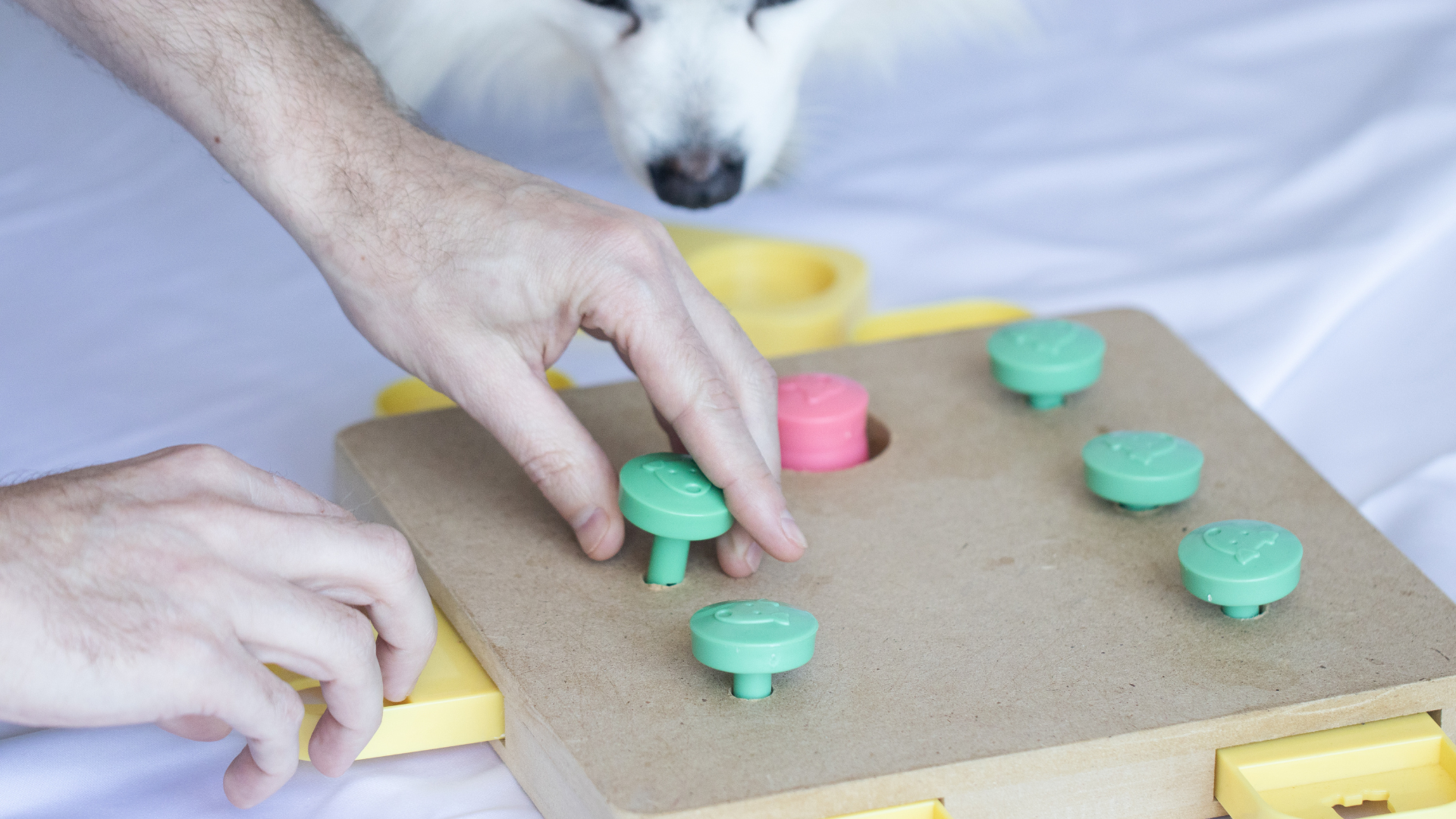
In addition to physical activity, mental stimulation is also important. Brain games, simple search games, or learning new tricks keep your dog's brain fit – and strengthen the bond between you.
The role of the veterinarian in your dog's senior years
Especially with older dogs, you should visit the veterinarian regularly – preferably every six months. Many signs of aging are insidious and often go unnoticed by humans for a long time. A regular check-up including blood work can provide early indications of illnesses and gives you the peace of mind that you are doing everything for your senior dog.
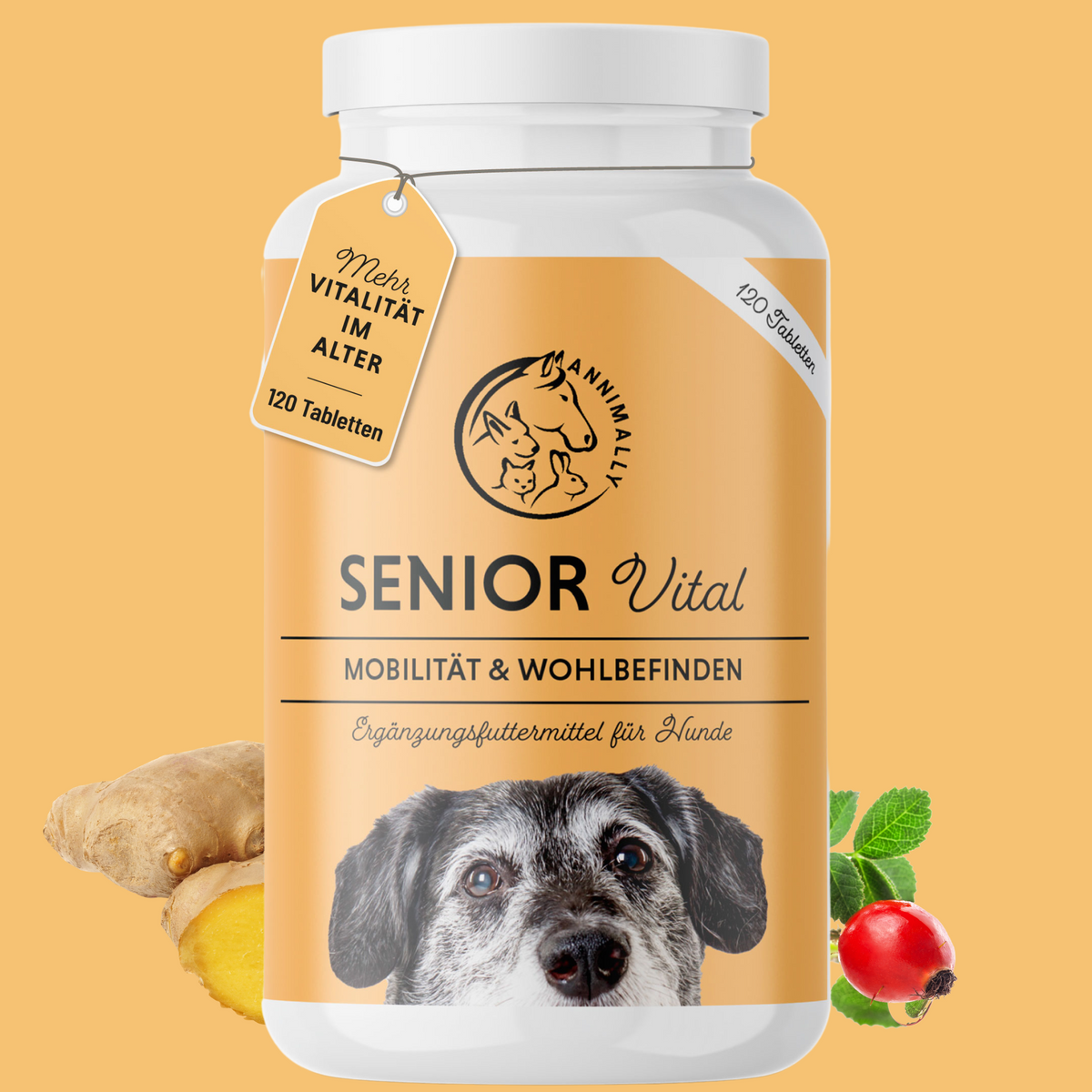
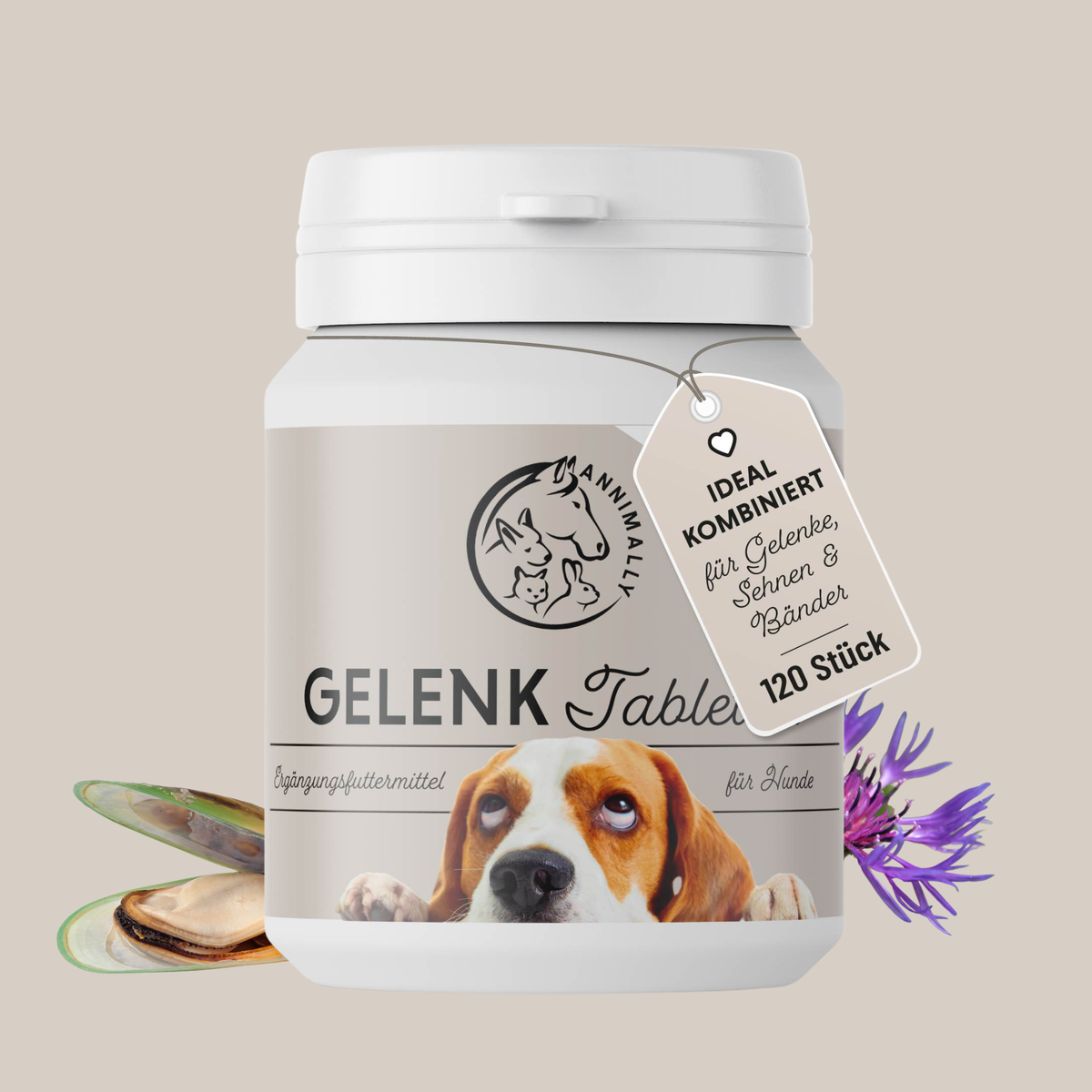
Also, talk to your veterinarian about special products like dietary supplements for joints or the right senior food for your four-legged friend. Especially in the case of existing conditions such as heart failure or kidney weakness, diet should be precisely adjusted.
What signs indicate age-related changes
The better you know your dog, the sooner you will notice changes. Common signs that your dog is entering their senior years include:
-
Increased need for sleep
-
Less desire for activities
-
Stiffness when getting up
-
Loss of appetite or weight changes
-
Changes in coat or skin problems
-
Forgetfulness or insecurity
All these symptoms are not necessarily pathological or have drastic effects, but they require attention and potentially adjustments to diet or the exercise plan.
Individual differences: Not every dog ages the same
A dog's life expectancy and aging are dependent on many factors:
-
Dog breeds: Small breeds usually live longer than large ones
-
Genetics: Certain breeds are more prone to joint problems or heart disease
-
Living conditions: Nutrition, exercise, care, and love have a direct impact on quality of life
Even if two dogs are the same age, their needs can be very different. Observe your dog closely – you are the best expert for your four-legged friend!
The best tips for a healthy dog life in old age
-
Senior food instead of puppy food – adapt the food to the life stage.
-
Pay attention to the right amount – avoid obesity, but do not undernourish your dog.
-
Exercise your dog regularly – but adjust the pace to their condition.
-
Keep their brain active – with games, nose work, and small challenges.
-
Establish routines – older dogs love reliability.
-
Give love and closeness – handling older dogs should be even more sensitive.
-
Visit the vet regularly – early diagnoses save lives.
-
Use natural supplements – such as glucosamine, omega-3 fatty acids, turmeric.
-
Design the everyday life to be age-appropriate – non-slip surfaces, easy access, warm sleeping spots.
-
Stay informed – keep up to date with current findings and new products.
Conclusion: How to maintain your senior's zest for life
Older dogs are not frail creatures, but experienced and loyal friends with very special needs. Through the right nutrition, targeted exercise, and a loving, understanding approach, you can significantly increase your senior dog's quality of life.
Remember: Every day with your dog is valuable – and with the right measures, you can experience many more beautiful years together. Give your four-legged friend what they really need in their old age: attention, understanding, care – and the best food for their health.