Beetroot for Dogs
Beetroot doesn't always spring to mind when you think about which fruit and vegetables you can feed your dog. Yet it is one of the tastiest – and most nutritious – options for your canine friend.

This active ingredient is contained here

Shop the look
Beetroot doesn't always spring to mind when you think about which fruit and vegetables you can feed your dog. Yet it is one of the tastiest – and most nutritious – options for your canine friend.
Over time, your dog's taste buds have developed based on their diet. In the wild, your dog's ancestors probably lived on game and the greens they found around them. Today, dogs have a much more balanced diet that includes both meat and vegetables.
Yes! Your dog can eat beetroot in moderation, and it is a healthy source of vitamin C, fibre, folic acid, manganese and potassium. These vitamins and minerals are good for your dog's digestion and immune system, as well as for healthy skin and a healthy coat.
Although it is rare, some dogs can be allergic. Keep an eye on your dog if you decide to feed them beetroot.
Beetroot is rich in vitamins A, B1, B2, B6 and C. It is an excellent source of calcium, magnesium, copper, phosphorus, sodium and iron. It is also a notable source of choline, folic acid, iodine, manganese, organic sodium, potassium, fibre and carbohydrates in the form of naturally digestible sugars. Beetroot gets its red colour mainly from antioxidant pigments called betalains.
There are several benefits to feeding your dog beetroot. As with most foods that are not part of your dog's normal diet, moderation is key. Don't overdo it with "human" food, as a dog's system is not the same as ours. You should also consult your vet before adding this or any other food to your dog's diet.
Beetroot contains many nutrients your dog needs to stay healthy. They support general wellbeing as well as specific areas such as the immune system, the digestive tract, the skin and oxygen transport. Take a look at the nutritional benefits of beetroot:
Beetroot contains plenty of iron, which is essential for dogs. Iron helps transport oxygen to the blood cells and supports physiological processes.
Beetroot is rich in fibre. It is recommended that dogs get between 1 and 10% fibre with every meal. This nutrient supports the digestive system and gut health. It adds bulk to the stool and helps move it through the digestive tract.
Beets, and especially beet greens, contain many other vitamins and minerals that support the immune system, help regulate pH levels and even contribute to a healthy coat and skin.
In addition to the nutritional values mentioned above, there are a few other important benefits that can be useful. Beetroot is low in calories. That makes it a great treat for dogs that need to lose a little weight.
Beetroot also has a high carbohydrate content, which makes your pet feel full sooner. Again, beetroot is not meant to be a daily staple, but it can be useful if you are trying to bring your dog to a healthy weight.
Other benefits include:
Now that we have discussed the benefits and risks of feeding this vegetable to your dog, it is clear that while it is not the most nutritious food, it can be a tasty treat for your pet. There are different ways to prepare and serve beetroot. Some of them are good for your pet, while others you should avoid.
Cooked beetroot is one of the best ways to feed beets to your pet. Cooking softens the vegetable and makes it easier for you to cut into bite-sized pieces. It also makes it easier to digest.
You should cook the beetroot without other ingredients such as butter, salt, sugar, pepper, sauces or other seasonings. All of these ingredients are harmful to your pet and take away from the nutrients the beetroot provides.
You can also feed your dog raw beetroot. However, we don't recommend raw beetroot for small dogs or for puppies with sensitive teeth. Fresh beets are easy to choke on. They are also harder to chew and can cause digestive problems.
Because they are so firm, raw beets are more likely to cause digestive problems. If your dog prefers them fresh, cut them into small pieces that won't cause any trouble. Remember that most dogs inhale their food and don't bother to chew.
Canned beets are not recommended. Most canned products are not healthy for your dog. They contain high levels of salt, preservatives and other additives that are harmful to your dog. Beets in particular are heavily processed.
In general, salt is the biggest problem with canned food. Salt is very harmful to dogs and causes many serious health risks. Salt poisoning can be fatal. So it's better to use fresh or frozen beetroot.
Unfortunately, this form of the red vegetable is a no-go for your dog. Again, it's about salt. Pickled beets are preserved in brine. As mentioned above, too much salt is harmful to your pet.
Chopping the root and pressing it into juice is a great way to enjoy its nutrients. However, it isn't the best option for your dog. This time, instead of salt, sugar is the problem.
Beets are already rich in natural sugar. When you juice them, the sugar becomes even more concentrated. Too much of this sweetener in your dog's diet can lead to obesity, raised blood sugar levels, dental problems and other issues.
Beetroot contains a lot of oxalic acid, which can contribute to kidney stones and calcium deficiency in the body, so feed it sparingly. Dogs that suffer from or are at risk of kidney stones, gout, rheumatoid arthritis or osteoporosis, as well as dogs with sensitive stomachs, should avoid foods high in oxalic acid.
Some dogs are allergic to beets, which can lead to inflammation. Always talk to your vet first and then start with small portions to see how your dog reacts.
Although beetroot is non-toxic, there are some health concerns that make this vegetable a little less desirable. There are also a few other downsides you should keep in mind.
The root vegetable has some great nutritional benefits, but there are also some downsides that offset them or, in some cases, even make it less nutritious.
Even though beetroot contains iron, fibre and other nutrients, your pup would have to eat large amounts of it for them to have a meaningful effect. As you will see, it is not advisable to feed your dog beetroot every day.
Beetroot is rich in carbohydrates, which are essentially sugars. Even though it is natural sugar, a lot of it is unhealthy for your pet. That's why beetroot is best given only as an occasional treat.
Beets are an acidic vegetable that some dogs' stomachs find hard to digest. They can cause wind, diarrhoea and stomach upsets.
Another common condition in dogs is urinary stones. Research has shown that the presence of oxalates in the urinary tract is linked to the formation of urinary stones. Unfortunately, beets contain high levels of this mineral, which can contribute to the development or worsening of the condition.
Apart from these health concerns, there are a few other aspects that can make beetroot an unwelcome dog food. For example, it can be a choking hazard for smaller dogs. If you have a small pup, cook the beetroot and cut it into small portions.
If you're a fan of beetroot, you also know what a mess it can make. The red juice gets everywhere and stains everything. If you have a white or light-coloured pup, the fur on their face will most likely be pink for a while.
Your pup's stool can also turn red from beetroot – a striking, bright red. This is completely harmless but can be very alarming. By the way, this can happen to people too.
More seriously, large pieces of the raw vegetable can cause an intestinal blockage. This can be a life-threatening situation. Raw vegetables, including beets, take longer to break down in your dog's digestive tract. This can cause them to get stuck and block (or partially block) the digestive organs.
At the end of the day, it's fine to give your dog beetroot as long as it's in moderation. We think a small amount of this red root once or twice a week is a great amount to give your pet.
We have also found that this vegetable makes a great treat or snack. It is better than some shop-bought options because it contains less salt, sugar and processed ingredients. Overall, eating beetroot is safe for your pet as long as you don't overdo it. However, it is not essential to their diet.
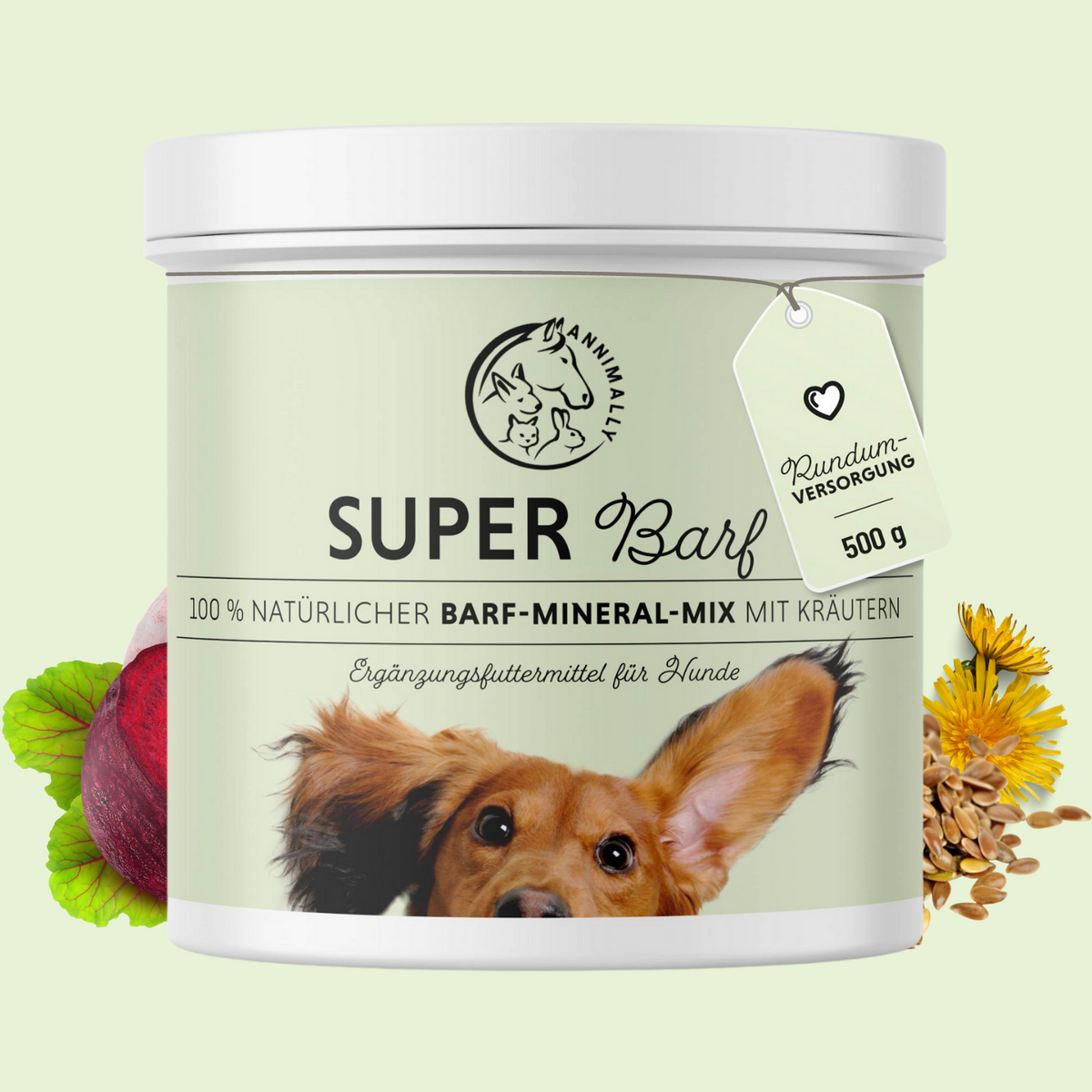
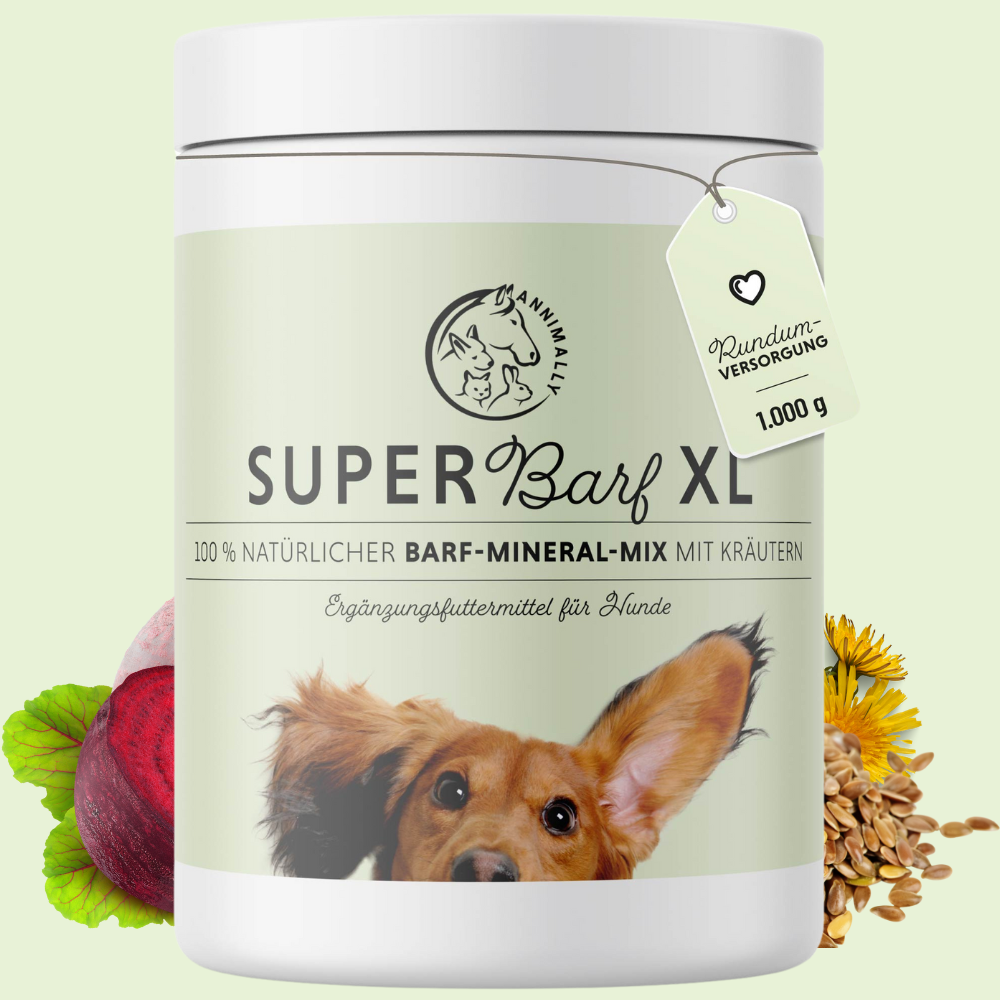
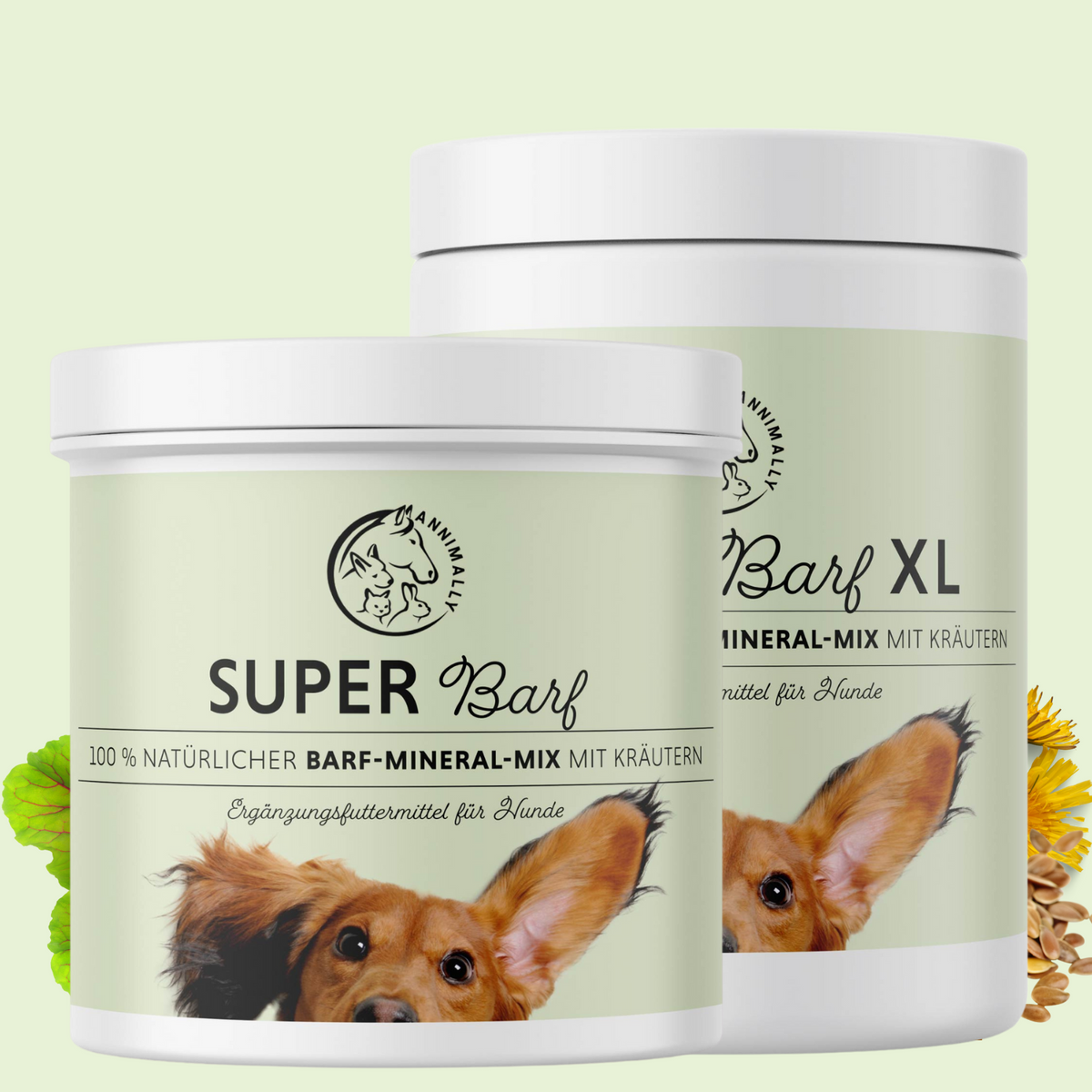
Super Barf supports your dog's balanced diet. It provides your dog with all the vitamins, minerals and herbs they need when you feed a BARF diet. Find out more now!
Effective & well thought out