
Acerola for horses: How the power cherry supports your horse all around
If you are concerned about your horse’s health, you know how important a balanced supply of vitamins, minerals, and other vital substances is. The acerola cherry, in particular, is becoming increasingly popular in equine nutrition – and for good reason.
In this article, you will learn everything about the effects of acerola on horses, why it is so valuable for your animal, and how to supplement it effectively.
What is acerola, anyway?
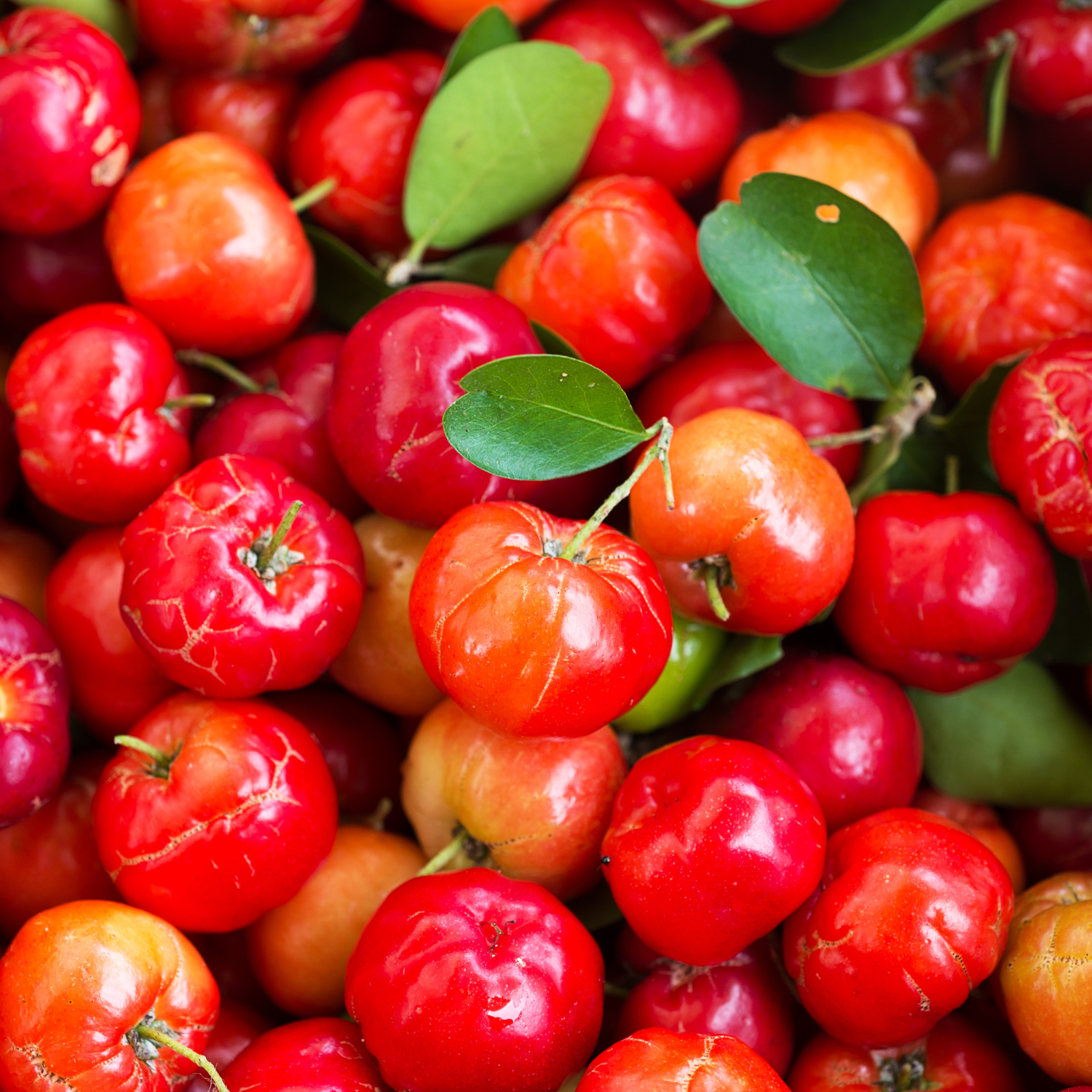
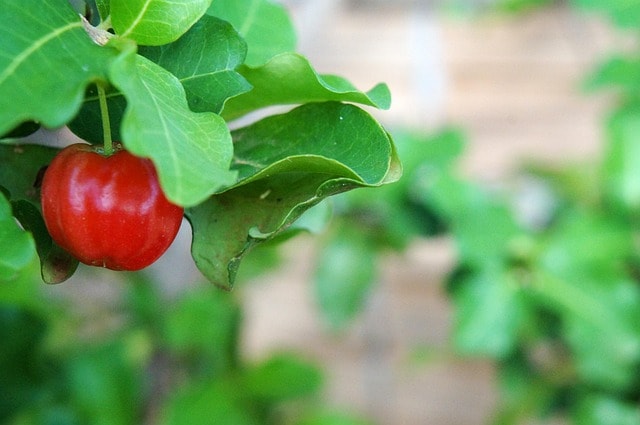
The acerola cherry is a small, bright red fruit that originally comes from Central and South America. It is particularly known for its extremely high vitamin C content – one of the highest among all known fruits. But that’s not all: acerola contains a multitude of micronutrients, including vitamin A, B vitamins, iron, potassium, magnesium, sodium, and many valuable antioxidants.
These natural components make the acerola cherry a true superfood – even for horses.
Why is vitamin C so important for horses?
You may be wondering whether your horse even needs additional vitamin C; after all, the equine body can theoretically synthesize ascorbic acid (the natural form of vitamin C) itself. That is true – but only under optimal conditions.
Stress, illness, intensive training, shedding, or hormonal fluctuations in a mare can severely limit the body's own synthesis. In such situations, targeted supplementation of vitamin C helps to strengthen the immune system and support the entire body.
Acerola for horses: Effects and benefits
The effect of acerola on horses is multifaceted. Here is an overview of how your horse can benefit from its supplementation:
-
Strengthening the immune system
The contained antioxidants support your horse’s immune system by neutralizing free radicals and inhibiting inflammatory processes. -
Support during stress and illness
Especially during phases of increased strain – whether due to transport, competitions, changes in weather, or dietary changes – acerola can help maintain the balance in your horse's body. -
Promotion of coat and skin
Vitamin C is involved in collagen formation, which has a positive effect on the coat, skin, and the structure of the hooves. -
Improvement of nutrient absorption
Acerola supports the absorption and bioavailability of other vitamins and minerals, such as iron – an essential substance for the formation of red blood cells and oxygen transport. -
Liver relief and detoxification
The natural components of acerola have a positive effect on the function of the liver, the central detoxification organ in the horse’s body.
Which products with acerola are available for horses?
There is now a multitude of products on the market that contain acerola – whether in the form of powder, juice, liquid, as a component of complementary feeds, or in combination with other plant substances such as thyme.
1. Acerola powder
The powder is particularly well-suited for daily supplementation via feed. It is highly concentrated, easy to dose, and has good bioavailability. A small amount is often enough to meet the daily requirement for vitamin C.
2. Liquid acerola products
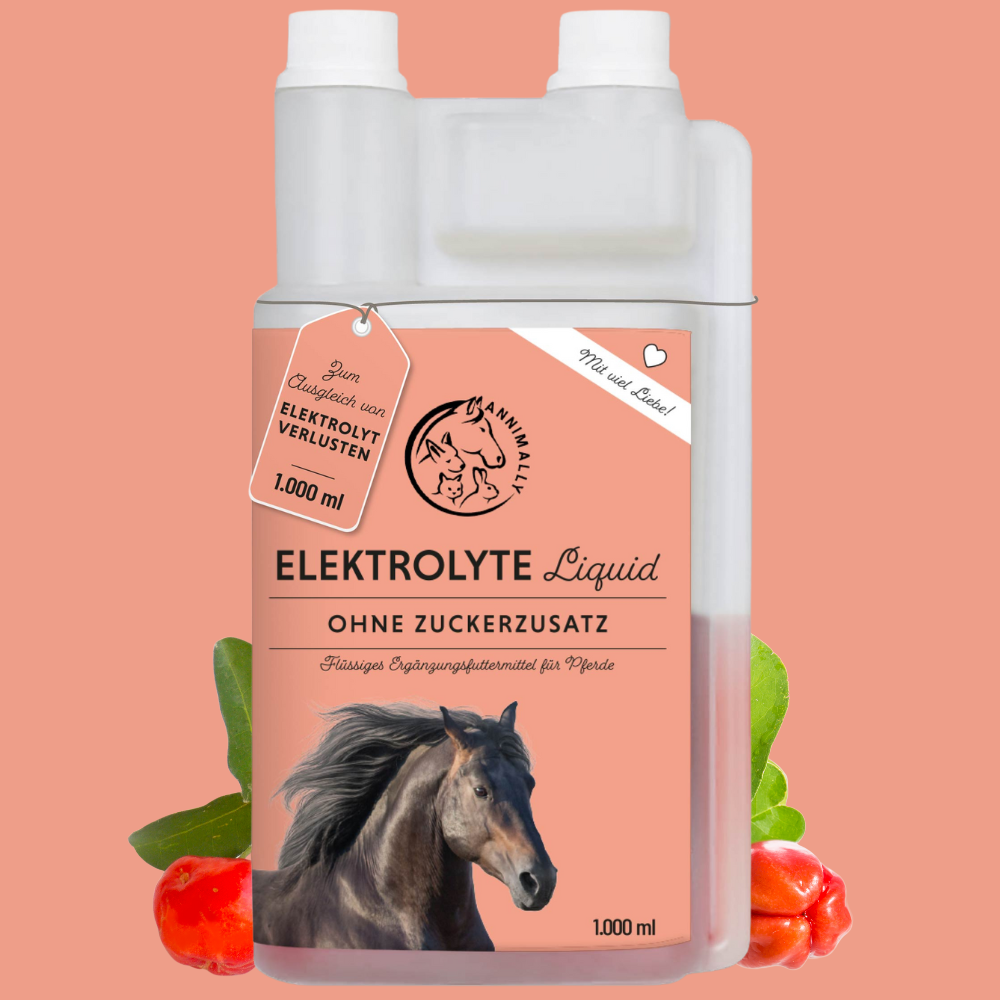
Liquids or juices with acerola are ideal for horses that do not like eating powder. Here, it is important to ensure that there are no artificial additives. Look for natural components and gentle processing of the fruit.
3. Complementary feeds with acerola
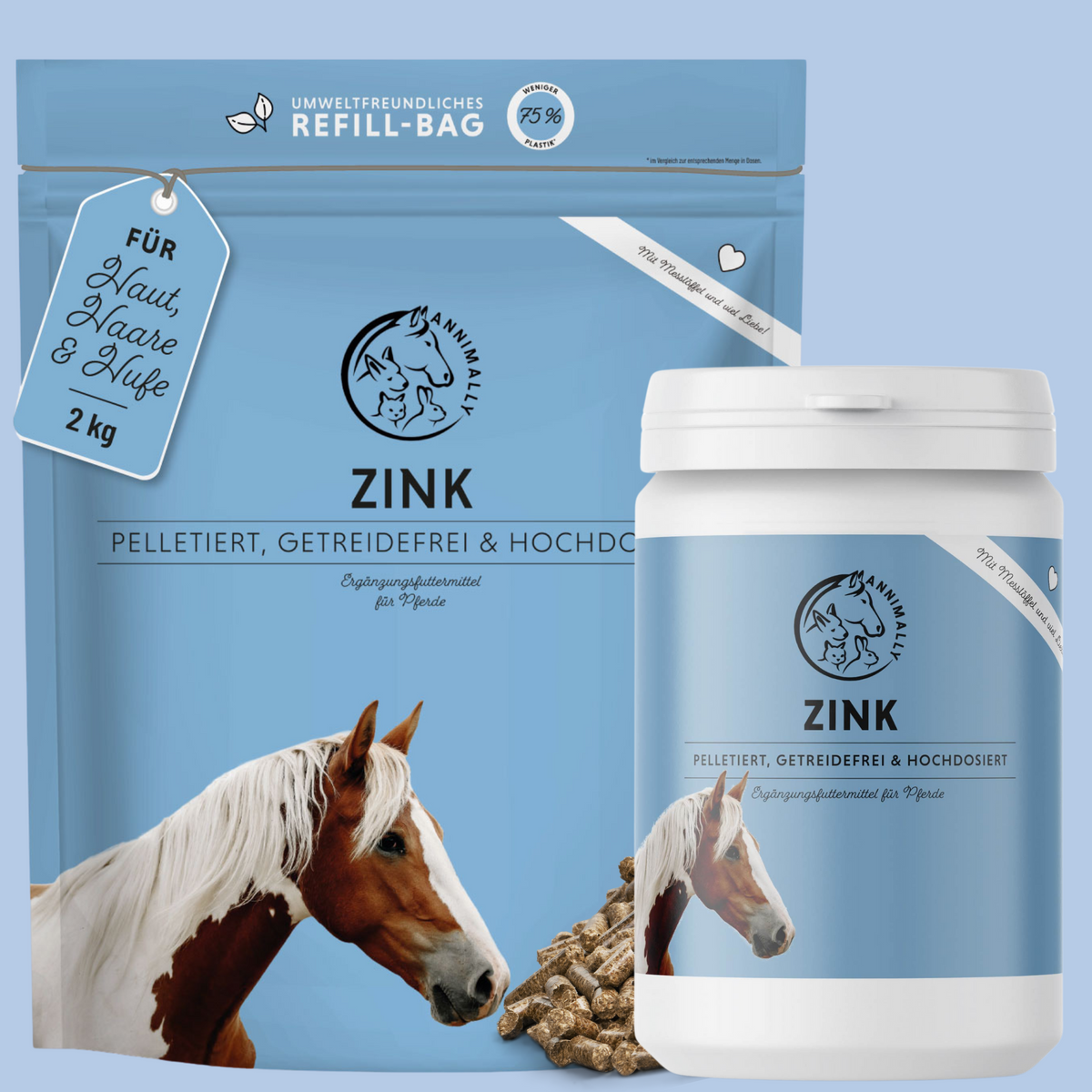
Many high-quality complementary feeds combine acerola with other vital substances, minerals, or herbs to holistically promote your horse’s health. Blends with thyme for respiratory support or zinc for skin and coat are particularly popular.
How do I dose acerola for horses correctly?
The correct dosage depends on several factors, including body weight, state of health, and the goal of the feeding. For an average horse (approx. 500–600 kg), a daily amount of about 2–5 g of acerola powder is recommended – depending on the concentration of the product.
For acute complaints such as a weakened immune system, diarrhea, or after deworming, the amount can be increased temporarily. It is best to coordinate the dosage with your veterinarian or equine nutrition expert.
Are there any side effects?
Acerola is generally very well tolerated. Since it is a purely natural product, there are hardly any side effects when dosed correctly. However, it is important that you pay attention to high-quality products – ideally organic quality and without artificial additives.
In very sensitive horses or in the case of an excessive dosage, mild diarrhea may occasionally occur. In such cases, simply reduce the amount and observe your horse’s reaction.
Acerola in combination with other vital substances
A great advantage of acerola is its versatility in use. It can be wonderfully combined with other vitamins, minerals, and herbs. Combinations with the following are particularly useful:
-
Thyme – to support the respiratory tract
-
Iron & Copper – to support blood formation
Especially with mares, who often have special requirements for nutrient supply, a targeted combination can work wonders.
Tips for feeding: How to do it right
-
Introduce slowly: Start with a small amount and increase it slowly.
-
Mix with feed: It is best to mix the acerola powder into the concentrate feed or mash.
-
Consider freshness: Ensure airtight storage, as vitamin C is sensitive to light and oxygen.
-
Quality over quantity: Choose certified products with natural ingredients.
Conclusion: Acerola is a real support for your horse
Whether you want to support your horse's regeneration, strengthen the immune system, or simply promote its long-term health – acerola is an excellent choice. The combination of natural vitamin C, high-quality antioxidants, a multitude of micronutrients, and good bioavailability makes the acerola cherry a true all-round talent in equine nutrition.
With the right usage and high-quality products, you can provide your horse or mare with optimal care – for more vitality, health, and zest for life.