

Potassium in horses – Why it is so important for health, performance and regeneration
If you are involved in horse feeding, you have surely already stumbled upon the term potassium in horses. But what exactly is potassium, what functions does it perform in your horse's body, and how do you recognize a potassium deficiency?
In this article, we will show you the role potassium plays in the organism, how it interacts with other electrolytes such as sodium, chloride, magnesium, and calcium, and what you should consider when feeding to optimally meet your horse's needs.
What is potassium and what functions does it perform in horses?
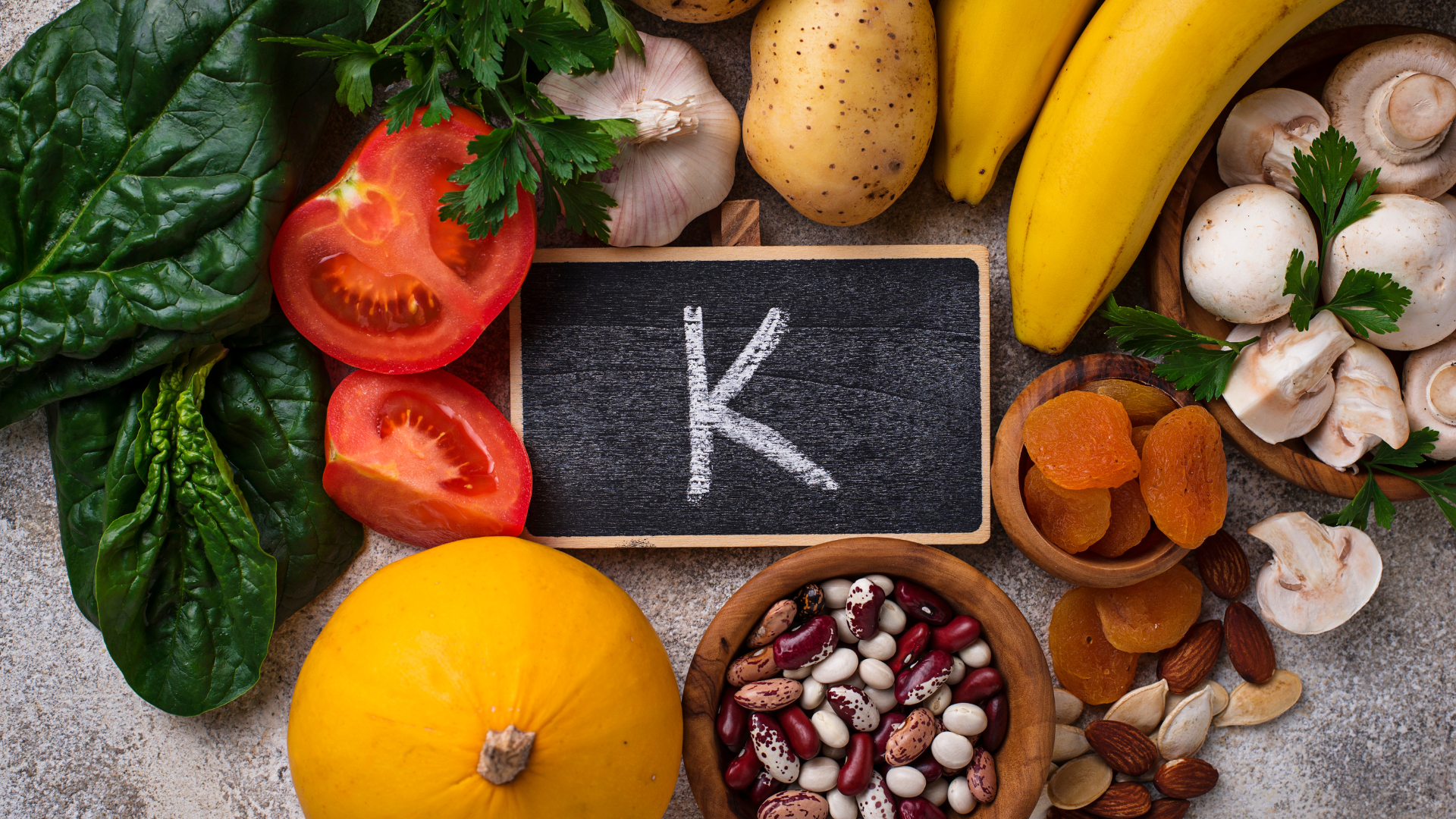
Potassium is a vital mineral that occurs as an electrolyte in almost all body cells – especially in muscle cells. There, potassium is significantly involved in nerve impulse transmission, the acid-base balance, energy supply, and metabolism.
Without sufficient potassium, muscle and nerve activity do not function smoothly – this particularly affects horses that work regularly, whether in sports, leisure, or breeding. A balanced electrolyte level is therefore crucial for your horse's performance and regeneration.
How does a horse lose potassium?
Potassium is primarily lost through sweat – that is, whenever your horse sweats, e.g., during physical work, in high temperatures, or due to stress. Excessive loss of electrolytes can also occur with certain illnesses, such as diarrhea or kidney problems.
A particular problem: While sodium and chloride (also important electrolytes) are usually contained in insufficient amounts in hay and need to be supplemented, potassium is generally present in hay in sufficient quantities – but the requirement increases enormously with heavy sweating or metabolic problems. Then, a potassium deficiency in the horse can occur.
How do you recognize a potassium deficiency in horses?
A potassium deficiency can manifest in different ways. Symptoms are often rather non-specific, which is why it can make sense to have a blood test done to keep an eye on electrolyte levels. Typical signs of a deficiency can include:
-
Muscle tremors or cramps
-
Lethargy or reduced willingness to perform
-
Restricted joy of movement
-
Constipation or digestive problems
-
Irregular heartbeat
-
General weakness
In severe cases, a pronounced potassium deficiency can even become life-threatening. The reason for this: potassium is essential for the function of enzymes that regulate metabolism and nerve conduction in the cells.
Potassium and the acid-base balance in horses
Another exciting area in which potassium plays a central role is the acid-base balance. Many horses suffer – often unnoticed – from latent acidosis, e.g., due to stress, incorrect feeding, or high physical exertion. In such cases, the body must counteract – and this is where potassium comes into play.
Together with other salts and minerals, potassium helps to stabilize the pH value and balance out acidosis. A balanced acid-base level is in turn important for the function of muscle cells and the overall health of the horse.
How can you meet the potassium requirement?
The potassium content in roughage – especially in hay – is usually quite high, particularly in young or heavily fertilized grass. Nevertheless, natural intake is not enough in certain cases. Especially in sport horses, during heavy sweating, or in phases with increased metabolic needs (e.g., illness or coat shedding), targeted supplementation can be useful.
There are special electrolyte preparations tailored to the needs of horses. When choosing, ensure that not only sodium and chloride, but also potassium and ideally magnesium are included. This combination optimally supports recovery after sweating.
When is potassium supplementation particularly important?
Adding potassium is especially useful when:
-
Your horse works regularly or intensely
-
It sweats heavily, e.g., in heat, during training, or transport
-
An illness or a lack of electrolytes exists
-
It suffers from recurring muscle problems
-
A potassium deficiency has been detected in a blood test
Even in somewhat stressful times – such as changing stables or during the tournament season – an increased demand for electrolytes may exist.
Conclusion: Potassium – An often underestimated mineral for horses
Potassium is a true all-rounder in your horse's body – from nerve impulse transmission and muscle work to the regulation of the acid-base balance. A balanced electrolyte level is crucial for health, performance, and regeneration – especially for horses in sports or under stress.
If you look into the subject more closely and regularly keep an eye on your horse's values, you can identify many problems early and counteract them with appropriate feeding. Potassium is – together with other electrolytes – a valuable helper.
Pay attention to what your horse shows you, and always remember: the right balance in the body is the key to a healthy and high-performing horse.